
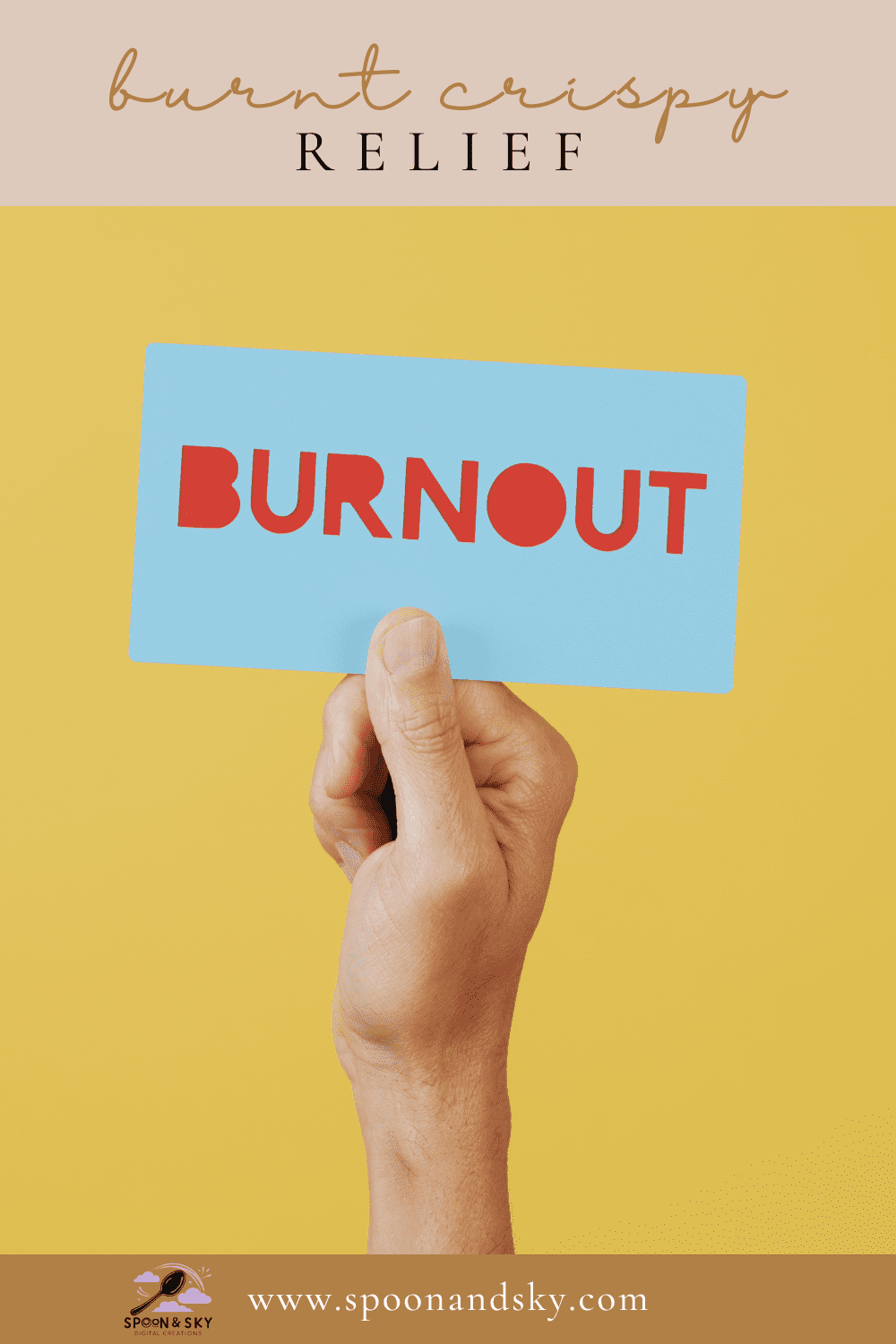
Introduction: When Even Coffee Isn’t Enough

There are mornings when the alarm feels like a cruel joke, the laundry mountain is higher than Everest, and your child is crying because their banana broke in half. You sip lukewarm coffee, scroll through a to-do list that never ends, and wonder: “Why am I so exhausted, and why does it feel like I’m running on fumes?”
If this sounds familiar, you may be brushing up against parental burnout — a state of chronic stress and depletion that leaves even the most loving parent feeling drained, irritable, and sometimes disconnected.
The truth? Burnout doesn’t mean you’re a bad parent. It means you’re a human one. Parenting is joyful, yes, but also relentless — a 24/7 role with few breaks and high emotional stakes. The good news is that with awareness, gentle strategies, and a sprinkle of self-kindness, you can ease the weight, prevent burnout from spiraling, and rediscover sparks of joy in your days.
1. What Is Parental Burnout, Really?

Parental burnout isn’t just “being tired.” It’s a more specific state of chronic stress, often marked by:
- Emotional exhaustion (feeling like you have nothing left to give)
- Detachment (numbness, irritability, or snapping quickly)
- Loss of joy (struggling to enjoy things you once did)
Researchers describe it as what happens when the demands of parenting far outweigh the resources you have to meet them. And let’s be honest: the demands of parenting small humans in today’s fast-paced, screen-filled, schedule-heavy world are no small thing.
2. Why Parents Burn Out: The Modern Load
Parents throughout history have been tired — but modern parenting has some unique stressors:
- Information Overload: Every decision (snacks, screen time, bedtime routines) comes with a thousand opinions online.
- Isolation: Many parents raise children without the “village” support that older generations had.
- Perfection Pressure: Social media can make us feel like we’re failing if our homes aren’t spotless and our kids aren’t doing Montessori-approved crafts daily.
- Endless Juggle: Work, childcare, housework, emotional care, and the invisible labor of remembering everything (“it’s library day, where’s your book?”).
No wonder our hearts feel stretched thin.
3. Signs You Might Be Experiencing Burnout

Every parent feels tired, but these are red flags that point toward deeper burnout:
- Constant irritability or snapping at small things
- Feeling numb or detached from your child’s emotions
- Physical symptoms: headaches, tension, insomnia
- Dreading the day before it begins
- Loss of interest in activities you usually enjoy
Awareness is the first step. If you see yourself here, pause. It’s not a sign of weakness; it’s a signal your body and heart need care.
4. Gentle Prevention: Building Burnout Buffers

Think of prevention like tending a fire: if you add logs steadily, the flame stays strong; if you let it burn without fuel, it sputters out.
Create Micro-Breaks
You may not get spa days, but you can claim tiny pauses:
- A warm cup of tea alone in the kitchen.
- A 5-minute stretch while kids play nearby.
- Stepping outside for three deep breaths of fresh air.
Simplify Routines
Burnout often grows from over-complication. Streamline wherever you can:
- Rotate simple weekly meals (Taco Tuesday, Pasta Friday).
- Lay out clothes the night before.
- Keep a “yes basket” of easy activities for kids (stickers, playdough, blocks).
Lower the Bar (Lovingly)
Repeat after me: kids don’t need perfect. They need present. The floor can be messy, dinner can be scrambled eggs, and your child will still feel loved.
Share the Load
If you have a partner, talk openly about dividing tasks. If not, consider where friends, family, or community could pitch in — even once a week.
5. In-the-Moment Strategies: Calming Stress Quickly

Burnout isn’t always about the big picture; sometimes it’s about surviving the next five minutes.
- The 4-7-8 Breath: Inhale for 4, hold for 7, exhale for 8. Slows heart rate and stress hormones.
- Grounding Game: Name 5 things you see, 4 you feel, 3 you hear, 2 you smell, 1 you taste. Anchors you in the present.
- Music Reset: Blast a song you love, even while folding laundry. Kids often join in, shifting the energy of the room.
6. Treating Burnout: Restoring Your Spark

When burnout is already here, healing requires intentional steps:
Rebuild Connection with Yourself
It’s easy to forget who you are outside of “Mom” or “Dad.” Try:
- Journaling for 10 minutes a day.
- Picking up a small hobby (crosswords, knitting, doodling).
- Scheduling a solo walk each week.
Prioritize Sleep (as Best You Can)
Not easy with young kids, but even small improvements matter:
- Go to bed 20 minutes earlier.
- Cut late-night scrolling (blue light worsens fatigue).
- Trade early mornings with a partner when possible.
Seek Support
Talking helps. Whether with a friend who “gets it,” a parenting group, or a professional therapist, sharing the weight lightens it.
Reframe Expectations
Instead of aiming for “doing it all,” aim for “doing what matters.” Ask: “What’s most important right now? What can wait?”
7. Practical Joy-Boosting Ideas

Sometimes burnout is softened not just by reducing stress, but by sprinkling in joy:
- Nature Walks: Fresh air works like medicine for frazzled minds.
- Play Together: Even 10 minutes of silly play (pillow forts, tickle tag) strengthens connection and lightens mood.
- Family Gratitude Jar: Each person adds one “good thing” daily. Reading them back on tough days reminds you joy is still here.
- Cozy Rituals: Light a candle at dinner, have “Friday Movie Pajama Nights,” or invent a silly family handshake.
Small joys compound into resilience.
8. When to Seek Extra Help

Sometimes, burnout blurs into depression or anxiety. If you experience persistent hopelessness, overwhelming guilt, or thoughts of harming yourself, please reach out to a professional. You deserve support — not just for your children’s sake, but for your own.
9. Reflection for Parents
Try asking yourself:
- What’s one small way I can refill my cup this week?
- Where am I holding myself to unrealistic expectations?
- Who could I lean on for even a sliver of support?
These aren’t indulgent questions — they’re survival tools.
10. Why Easing Burnout Matters
Taking care of yourself isn’t selfish; it’s strategic. A rested, supported parent is more patient, playful, and emotionally present. By tending to your own needs, you’re also teaching your child an invaluable lesson: self-care matters.

Conclusion: A Softer Way Forward
Parental burnout may feel like a heavy fog, but it’s not permanent. With small pauses, gentler expectations, and intentional care, the fog lifts — revealing a landscape where parenting feels less like survival and more like connection.
Your child doesn’t need a superhero. They need you — real, messy, human, and doing your best. That is enough.
With burnt toast on the plate and a heart learning to rest,
Lily.


✨ Get Your Free Printable ✨
Looking for a simple way to bring a little more calm, structure, or creativity into your day?
Enter your email below and get instant access to your free printable from Spoon & Sky — made to spark joy, imagination, and gentle rhythms at home. 🌿
We’ll send your printable and a few kind, helpful ideas to your inbox. No spam — just calm, creative family tools.
Leave a Reply