
Self-Soothing Our Own Growing Pains
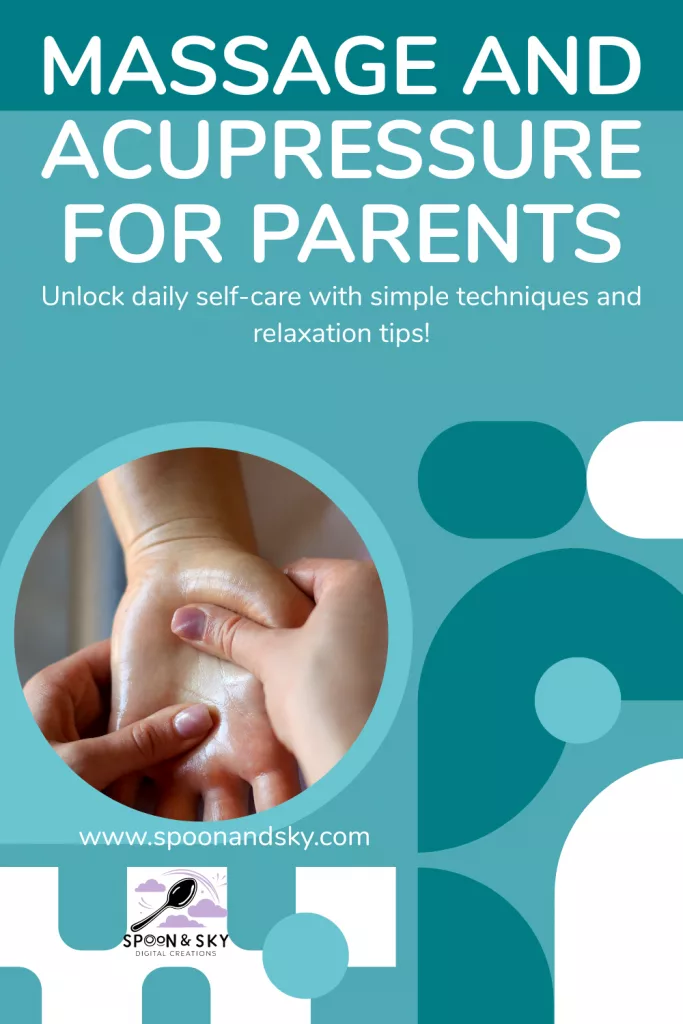
Parenthood has a way of creeping into your muscles. Tight shoulders from carrying little bodies (and big backpacks). A stiff neck from craning over car seats. Aching feet from endless “one more story” pacing. And let’s not even talk about the jaw clenching during sibling squabbles.
Parents spend so much time giving — but how often do we give our bodies the same care we give our kids? Self-care doesn’t have to mean bubble baths or spa days (though those are lovely when they happen). Sometimes, it’s as simple as pausing to press a spot on your hand, rolling your shoulders, or massaging tension out of your jaw.
This is where acupressure and self-massage come in. They’re portable, free, and surprisingly effective. Even two or three minutes sprinkled through your day can shift you from frazzled to focused, from exhausted to just a little more energized.
Let’s walk through five simple massage points you can use — face, neck, shoulders, hands, and feet — plus practical tips to make them part of your everyday rhythm.
—
Why Acupressure & Self-Massage Work
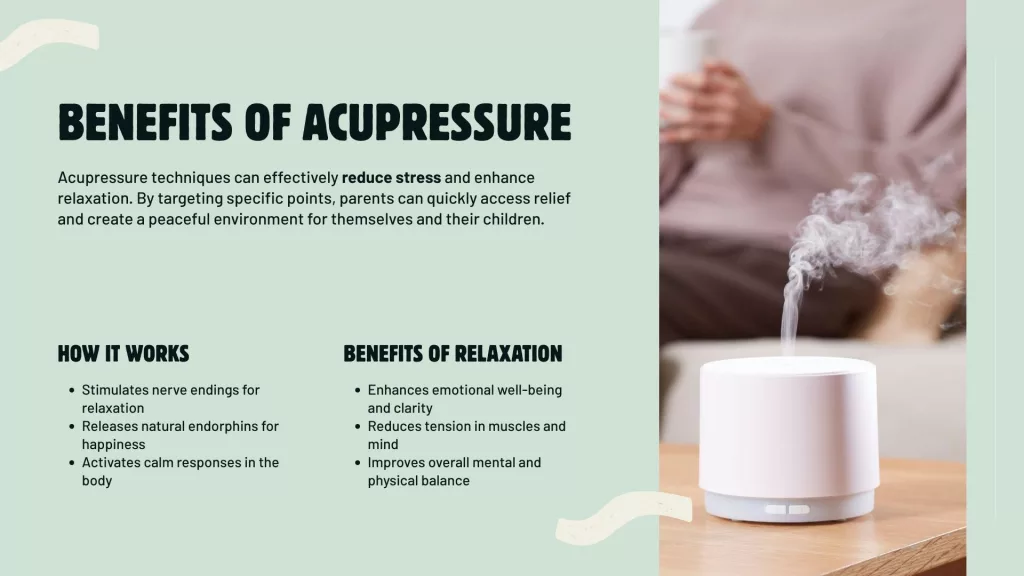
Acupressure has roots in traditional Chinese medicine, which views the body as a map of interconnected energy points. Pressing these points is thought to restore balance and support wellbeing.
Modern science explains it like this:
Pressure stimulates nerve endings and increases blood flow.
This releases natural endorphins (the “feel good” hormones).
It can also signal the parasympathetic nervous system — your body’s “rest and digest” mode — to switch on.
For parents, that translates to less tension, steadier moods, and sometimes even fewer headaches. And because self-massage is hands-on, it doubles as a mindful break: a few minutes of actually paying attention to your own body.
—
The 5 Massage Points Every Parent Needs
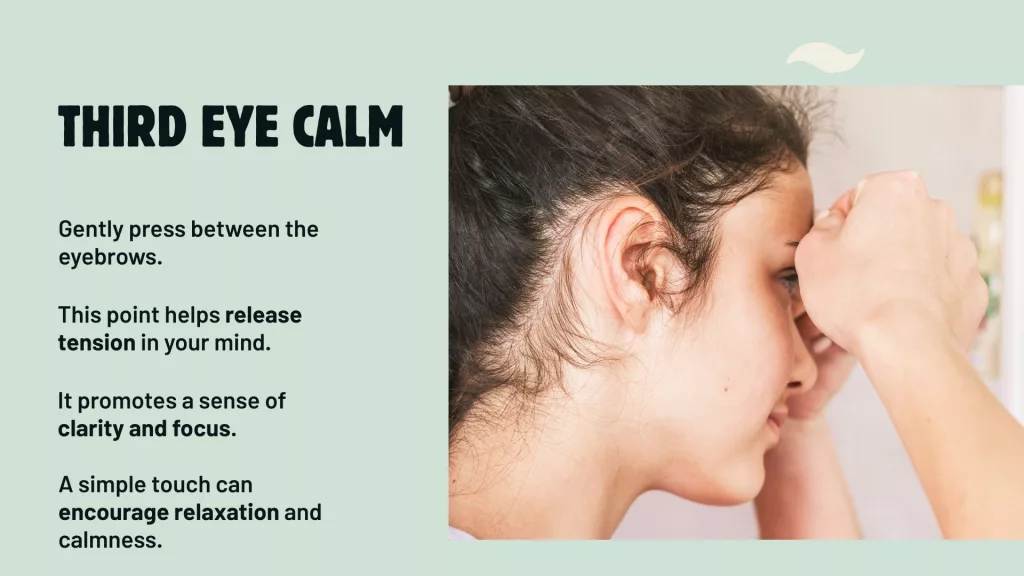
1. Third Eye Calm (Between the Eyebrows)
Where: Place a finger gently between your eyebrows, just above the bridge of your nose.
How:
Close your eyes and press gently with one or two fingers.
Hold for 1–2 minutes while breathing slowly.
Or make gentle circles with your fingertip.
Why:
Soothes tension headaches and eye strain.
Brings mental clarity when your thoughts feel scrambled.
Encourages a deep breath and moment of pause.
 When to use it: After a long day of screen time (your work, their cartoons), or when the bedtime routine has pushed your patience.
—
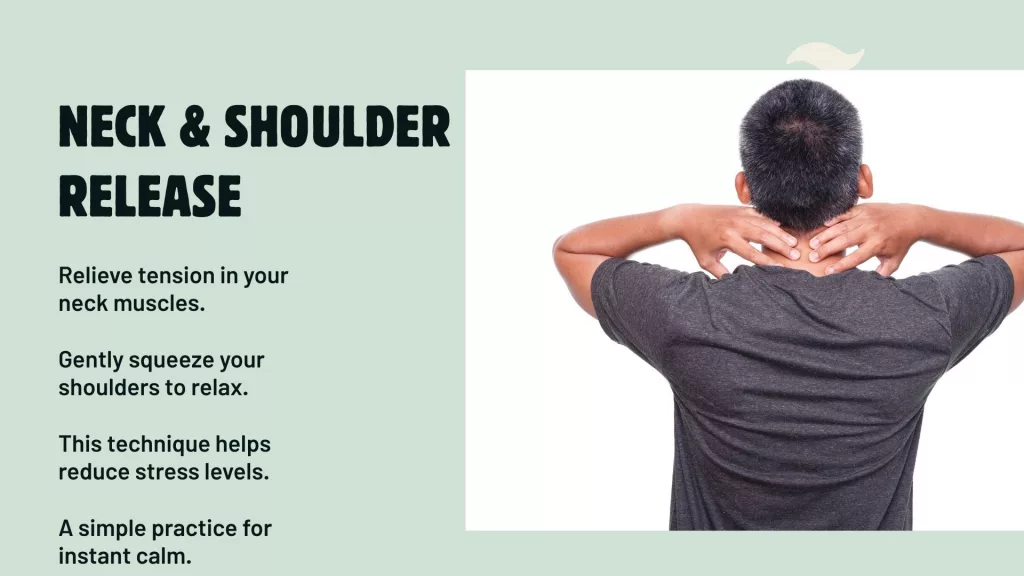
2. Neck & Shoulder Release (Top of the Shoulders)
Where: That tender, rope-like muscle between your neck and shoulder.
How:
Use your opposite hand to squeeze the muscle.
Hold for 10 seconds, release, and repeat.
Roll your shoulders slowly afterward.
Why:
Relieves tension from carrying kids, groceries, or stress.
Improves circulation to the head and upper body.
Helps you breathe more deeply.
When to use it: While stirring pasta sauce, or after you’ve lugged the stroller up the stairs.
—
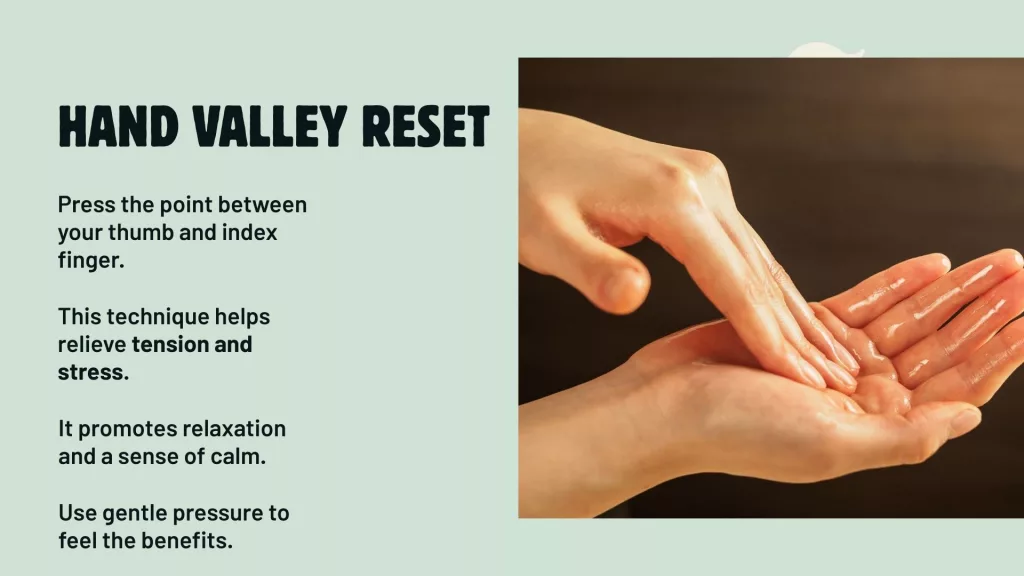
3. Hand Valley Reset (Between Thumb & Index Finger)
Where: The fleshy V-shape between your thumb and index finger.
How:
Pinch the point with your opposite thumb and index finger.
Apply steady pressure for 30–60 seconds.
Switch hands.
Why:
Known for relieving stress and tension headaches.
Easy, discreet, and can be done anywhere.
Gives a mini “reset” when you’re running on empty.
When to use it: In the car line, at the playground bench, or even mid-grocery aisle.
—
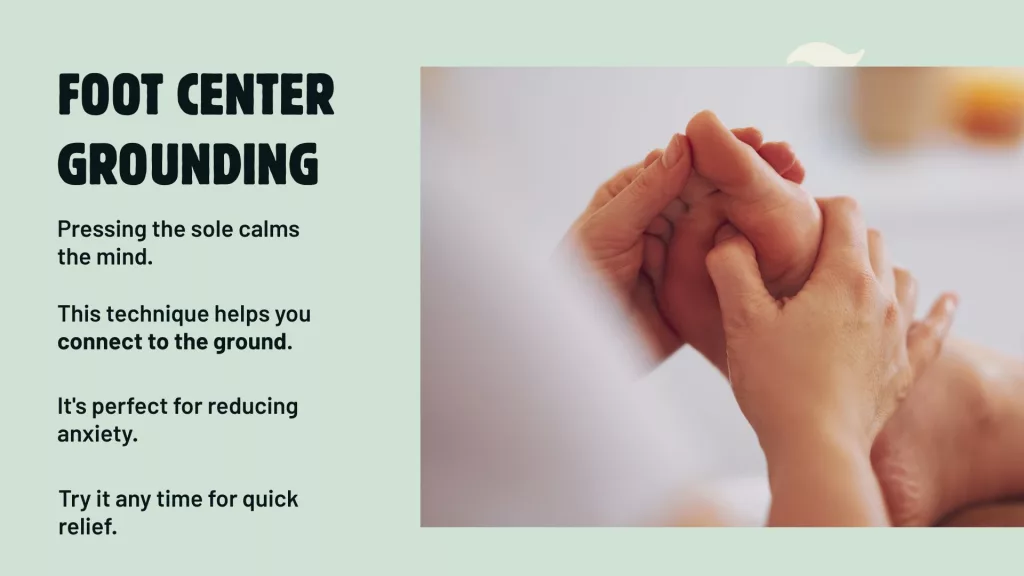
4. Foot Center Grounding (Sole of the Foot)
Where: The soft spot in the center of your foot’s sole, just below the ball.
How:
Cross one ankle over your knee.
Use your thumb to press into this point.
Hold 30–60 seconds, breathing deeply.
Why:
Reduces fatigue, especially if you’ve been on your feet all day.
Grounds you when you feel scattered or overstimulated.
Can support better sleep when done before bed.
When to use it: After kids are tucked in — slip off your socks and give your feet some attention before bed.
—
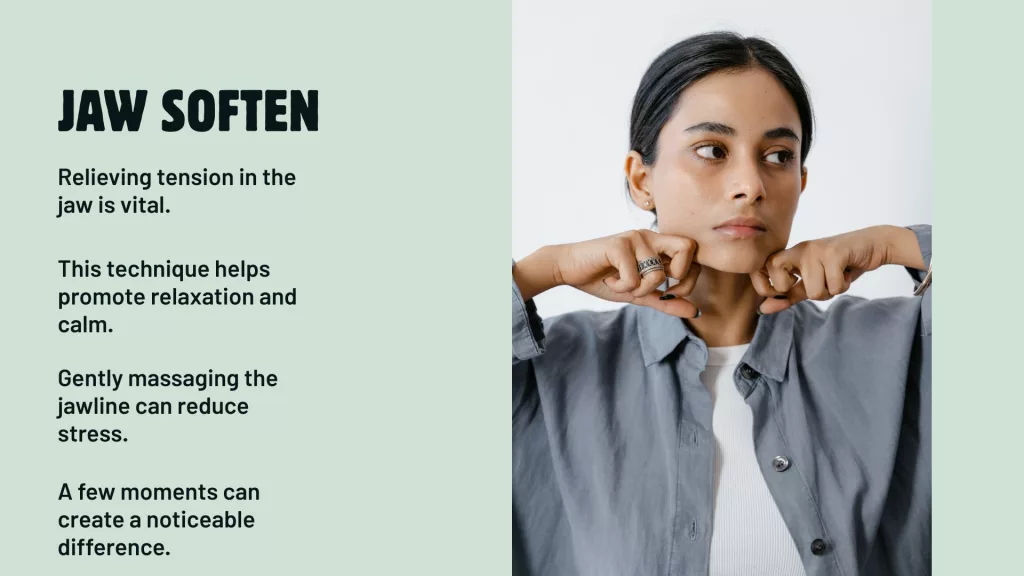
5. Jaw Soften (Along the Jawline)
Where: The spot just below your cheekbones where your jaw muscles clench.
How:
Use your fingers or knuckles to massage in small circles along the jawline.
Move from chin toward ears.
Breathe out slowly with each press.
Why:
Releases tension from clenching and teeth grinding.
Helps prevent or ease tension headaches.
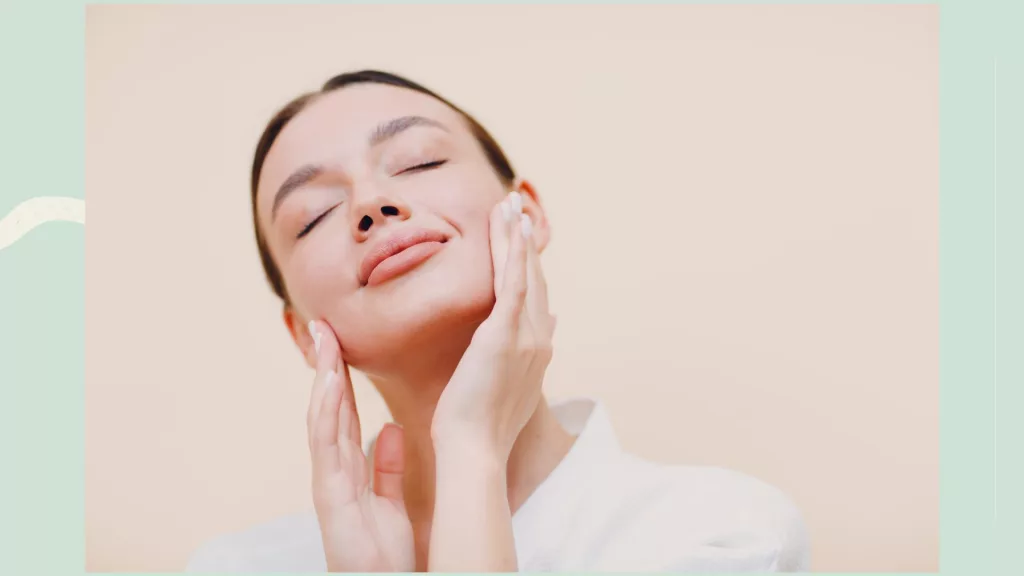
Creates a softer, more relaxed face (goodbye, stress jaw).
When to use it: At night, after brushing teeth — it signals to your body that it’s time to let go of the day.
—
How to Make It Happen in Real Life
Habit stacking: Pair it with something you already do. Example: massage your jaw while applying moisturizer, or press your hand valley point while waiting for your coffee to brew.
Micro-moments: Think 2–3 minutes, not 20. Even one pressure point can make a difference.
Bedtime wind-down: Add foot pressing or jaw massage to your own evening routine, after you’ve guided your child through theirs.
Kid-friendly modeling: Let your children see you doing it and say, “I’m giving my body a little calm.” You’re showing them that self-care is normal.
—
Reflection: Why It Matters
Self-care can feel impossible when the to-do list is never-ending. But here’s the truth: tending to your own body — even for a few minutes — is part of tending to your family. When you soften your jaw, press your shoulders, or ground through your feet, you’re not only helping yourself. You’re showing your children what it looks like to listen to your body.
It’s not selfish. It’s leadership.

Conclusion: Calm at Your Fingertips
You don’t need spa music, essential oils, or a fancy massage chair to feel better (though all of those are nice). You just need a pause, a press, and permission to care for yourself.
So tonight, when the house is finally quiet and your body feels tight, try this: close your eyes, press between your brows, and breathe. Calm is right there, in the palm of your hand.
With softer jaws and lighter shoulders,
Lily.


✨ Get Your Free Printable ✨
Looking for a simple way to bring a little more calm, structure, or creativity into your day?
Enter your email below and get instant access to your free printable from Spoon & Sky — made to spark joy, imagination, and gentle rhythms at home. 🌿
We’ll send your printable and a few kind, helpful ideas to your inbox. No spam — just calm, creative family tools.
Leave a Reply