

Introduction: The Weight Parents Carry

Parenting doesn’t come with a tidy instruction manual. Instead, it often feels like juggling knives while riding a unicycle — messy, unpredictable, and just a little dangerous to your sanity.
You’re packing lunches while reminding someone to put on socks. You’re signing a permission slip while answering work emails. You’re wrangling sibling squabbles in the car line, already mentally tallying what’s for dinner. And somewhere in all of that, you’re supposed to make space for joy, patience, and connection.
It’s no wonder so many parents feel overwhelmed.
But overwhelm isn’t a personal failing. It’s the natural outcome of trying to do too much, often without enough support. The good news? There are small, simple shifts that can lighten the load. You don’t need a complete life overhaul. You need rhythms, systems, and gentle hacks that create more breathing room in your days.
Let’s explore 10 practical, parent-tested tips to reduce overwhelm, reclaim time, and create more space for connection — for your kids, and for yourself.
1. The Power of a Morning Anchor

Mornings can make or break a day. A chaotic start — rushing for shoes, lost water bottles, spilled cereal — sets a stressed-out tone that can ripple through hours.
The trick isn’t perfection. It’s anchoring mornings with one predictable ritual. Anchors give kids a sense of security and make the chaos easier for everyone.
Ideas for morning anchors:
- Play the same upbeat “get ready” playlist every morning. Music cues action without nagging.
- Share a one-minute stretch or “wiggle dance” in the kitchen before heading out.
- Use a printable routine chart so kids see what’s next — less asking, more doing.
💡 Parent tip: Think “simple + repeatable.” Even one tiny ritual makes mornings smoother and calmer.
2. Embrace “Good Enough” Meals

Feeding kids might be the fastest track to parental guilt. Social media shows rainbow platters, bento boxes shaped like animals, or gourmet family dinners. Reality often looks more like buttered pasta, chicken nuggets, and “please just eat something green.”
Here’s the truth: good enough is good enough. Kids thrive on rhythm, not perfection.
Strategies for simpler meals:
- Rotation meals: Taco Tuesday, pasta night, breakfast-for-dinner. Predictability makes planning easier and kids love the comfort.
- Snack plates: A protein + fruit + carb + one “fun” side. Call it dinner, and watch it disappear.
- Batch basics: Double up on rice, pasta, or roasted veggies. Reuse them in lunches or dinners later in the week.
Instead of aiming for elaborate meals, focus on patterns over perfection. Variety across the week matters more than variety on one plate.
3. Micro-Moments of Connection

Parents often feel pressure to spend long, quality chunks of time with their children. But in reality, kids build security and love from small, repeated moments sprinkled through the day.
Examples of micro-moments:
- Five minutes of pillow talk before lights out.
- A hug that lingers long enough for your child to sigh.
- Singing to one silly song after school in the kitchen.
These micro-moments matter more than orchestrated big outings. They tell kids, “I see you, even in the small spaces.”
💡 Try this: Next time you feel guilty for not doing “enough,” add one micro-moment. Hug, listen, laugh. That’s the glue of connection.
4. Use Transitions as Mini Resets

Transitions are often the hardest part of parenting. Leaving the playground, starting homework, even getting into the car can spark meltdowns. Instead of dreading them, turn transitions into playful resets.
Ideas for smoother transitions:
- Hop like bunnies to the car instead of walking.
- Race the timer when cleaning up toys.
- Pull a card from a movement jar (jump like a kangaroo, slither like a snake) before starting homework.
Movement helps kids regulate their energy and emotions, making cooperation easier. And it often shifts your energy too — suddenly, you’re laughing instead of dragging.
5. Outsource Your Brain

So much of parental overwhelm comes from carrying invisible loads: remembering permission slips, birthdays, grocery items, and the million moving pieces of family life.
The secret? Stop carrying it in your head.
Practical brain-outsourcing tools:
- A family command center: one spot for a calendar, incoming mail, and clipboards.
- Shared digital lists (for groceries, errands). Apps like Google Keep or Todoist are lifesavers.
- Labels and bins so kids know where things belong (less asking you, more independence).
Think of it as creating a “second brain” outside your head. Every list and label frees up mental space for things that actually matter.
6. Reframe Screen Time

Screens are here to stay — and the guilt around them is huge. Instead of fighting them, reframe screens as tools with limits.
Strategies to manage screens:
- Use screens for moments you genuinely need (a work call, dinner prep).
- Prioritize safe, educational apps or shows.
- Create “movement swaps”: after one show, do one silly dance together.
This takes you out of constant battles and puts you back in the driver’s seat. Screens become one part of a rhythm, not the enemy of it.
7. Create a “Parent Pause”

Kids get time-outs. Parents deserve pauses, too. When your body and mind are stretched thin, short resets make all the difference.
Examples of parent pauses:
- Three deep breaths while your coffee brews.
- A 5-minute walk around the block after school drop-off.
- A simple stretch before climbing into bed.
Your nervous system is contagious. When you regulate, your children feel it, too.
💡 Parent mantra: A regulated parent is the best parenting tool.
8. Say No to One Thing

Overwhelm often creeps in through overcommitment. The bake sale, the birthday party, the late-night emails — it all adds up. One of the most powerful tools you have? Saying no.
Every “no” is also a “yes” to something else: rest, connection, or breathing space.
This week, pick one thing to release. Notice how much lighter you feel.
9. The Power of Routines Over Rules

Rules feel restrictive. Routines feel predictable. Kids thrive on rhythm, and parents benefit, too.
Examples of powerful routines:
- A bedtime rhythm (bath → book → lights out).
- Morning checklists instead of nagging.
- Weekly rituals like “pancake Saturdays” or “family walks.”
Routines cut down on power struggles because the schedule is the authority, not constant parental enforcement.
10. Embrace Imperfect Parenting
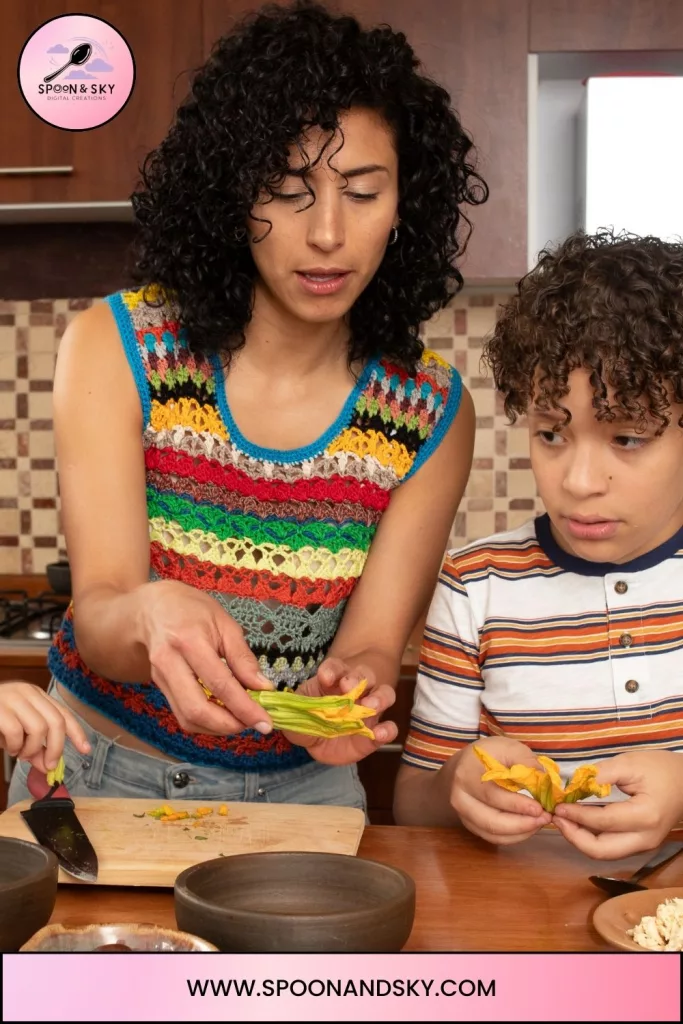
Here’s the secret no one tells you: perfect parenting doesn’t exist.
What kids really need isn’t flawless parents. They need:
- To feel safe.
- To feel seen.
- To laugh with you.
Sometimes that looks like pizza delivery, toys left scattered, or laughing at the chaos instead of cleaning it up. When you embrace imperfection, you model resilience — and joy.
Reflection for Parents
Take a moment. Ask yourself:
- Where do I feel most stretched thin?
- Which small shift could lighten that load today?
- How can I sprinkle in micro-moments of connection this week?
Because at the end of the day, your kids don’t remember spotless houses or elaborate dinners. They remember you — present, human, and willing to dance in the kitchen with them.

Conclusion: Parenting Without Overwhelm
Parenting without overwhelm doesn’t mean life without chaos. It means weaving rhythms that support you, making space for joy in the mess, and choosing presence over pressure.
With anchors, pauses, and micro-moments, you can reclaim calm — not by doing more, but by doing less, more intentionally.
With one deep breath and one less thing on your list,
Lily.


✨ Get Your Free Printable ✨
Looking for a simple way to bring a little more calm, structure, or creativity into your day?
Enter your email below and get instant access to your free printable from Spoon & Sky — made to spark joy, imagination, and gentle rhythms at home. 🌿
We’ll send your printable and a few kind, helpful ideas to your inbox. No spam — just calm, creative family tools.
Leave a Reply