
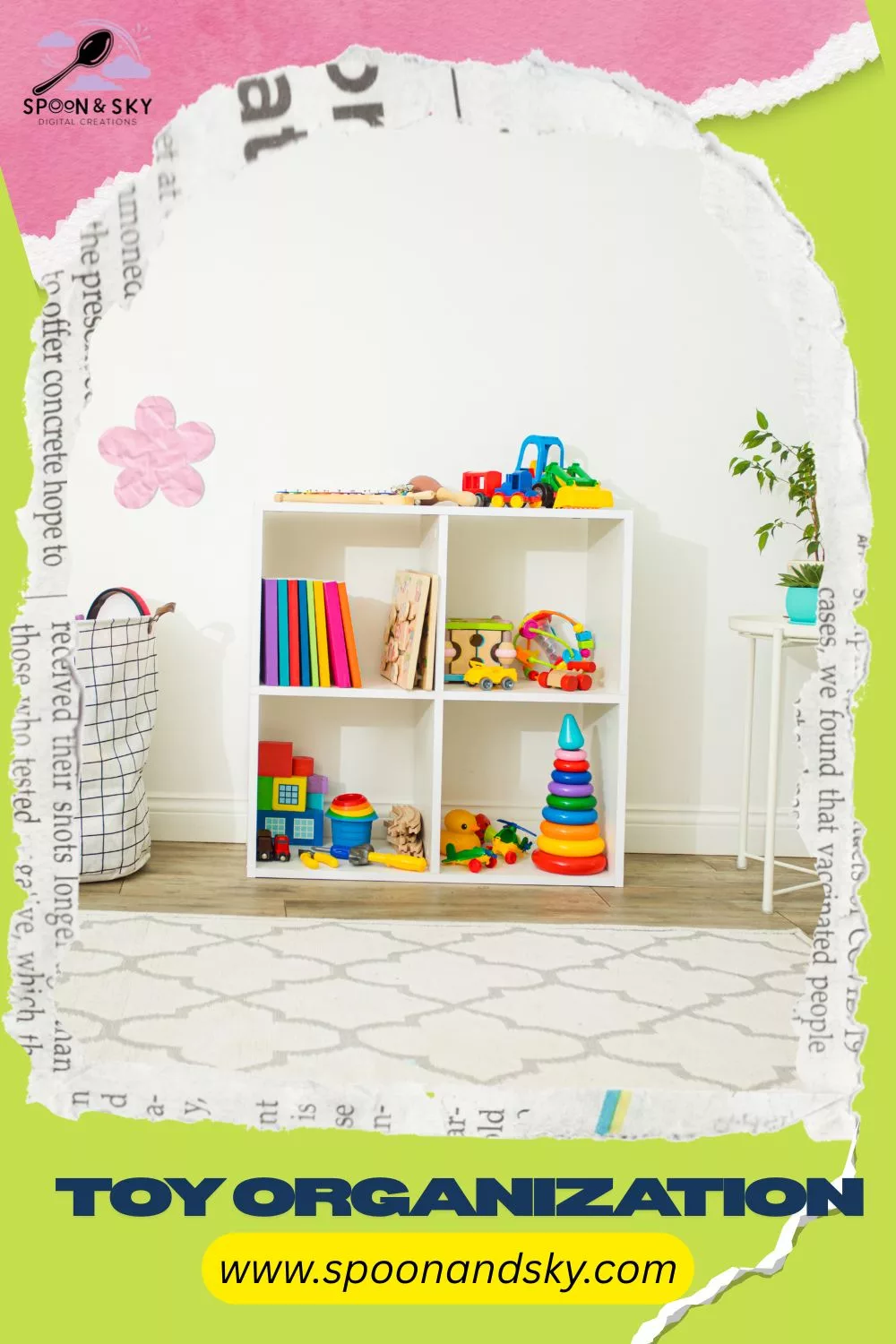
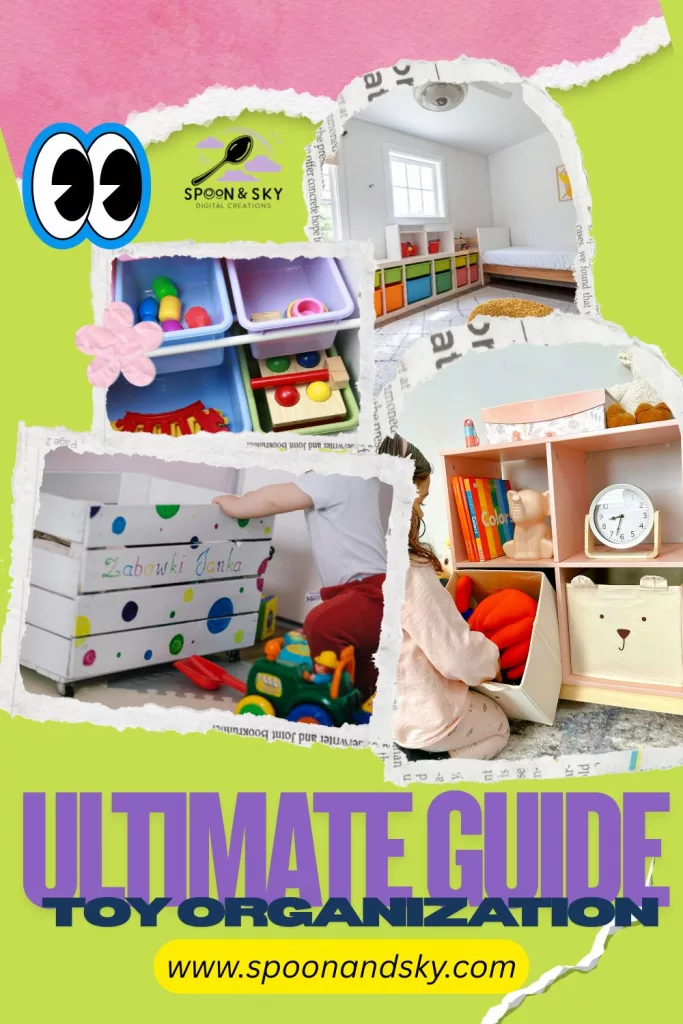
If you’ve ever tiptoed across the living room and felt the sharp sting of a rogue Lego underfoot, you know the daily chaos of kids and clutter. Toys, crayons, school papers, snack wrappers, costumes, socks (so many socks!) — somehow, they all multiply when we’re not looking.
But here’s the thing: organization for kids doesn’t have to mean picture-perfect Pinterest bins or endless battles to keep every doll shoe in its rightful spot. It can be simple, practical, and — dare we say — even fun.
With a few clever hacks, some well-chosen baskets, folders, and systems, you can create a home where your child knows exactly where things go, and you don’t spend half your day picking up behind them. Ready? Let’s dive into the world of mesh folders, pack-away bags, and baskets that can save your sanity.
Why Kid-Friendly Organization Matters

Before we get to the good stuff (the hacks!), let’s pause for why it matters.
- For kids: Organization builds independence. When children know where things belong, they gain confidence in putting them away and retrieving them on their own. It’s not just about neatness; it’s about ownership.
- For parents: Less time searching for shoes means more time together. Streamlined spaces reduce stress and arguments.
- For everyone: A calmer, less cluttered environment invites play, creativity, and connection.
Think of organization not as perfection, but as creating a rhythm where your child can thrive.
Hack #1: The Magic of Mesh Folders

Paper clutter is a sneaky beast. School newsletters, birthday invitations, coloring pages, sticker books — they pile up fast. Enter: mesh zipper folders.
- How to use them:
- Assign one folder per child.
- Label with their name and use it for homework, school letters, or artwork in progress.
- Use different colors for categories: red for school, blue for art, green for “keep.”
- Why it works: Mesh folders are durable, see-through, and easy for little hands to open. No more digging through piles; the folder becomes a portable filing system.
💡 Bonus hack: Keep a “finished artwork” folder for each child. At the end of each term, let them choose a few favorites to display or keep. The rest? Recycle with love.
Hack #2: Pack-Away Bags for Quick Cleanups

Ever wish you could just scoop up all the toys in one go? That’s where pack-away play mats (those drawstring bags that open flat for play and cinch up for storage) shine.
- Best for: Lego, blocks, doll accessories, or anything with a million tiny pieces.
- How it works: Spread the bag open for playtime. When done, pull the drawstring — everything’s tidied in seconds.
- Kid appeal: It feels like magic. Kids often love helping because it’s quick and satisfying.
If you don’t have a special bag, you can DIY with a large blanket or sheet: play on it, then fold and pour everything into a bin.
Hack #3: The Basket Brigade

Baskets are your best friends in the world of kid clutter. They’re versatile, affordable, and forgiving — you don’t have to fold or stack neatly; you just toss and go.
- Toy baskets: Label by category (“cars,” “stuffies,” “dolls”). Picture labels work wonders for pre-readers.
- Book baskets: Instead of crammed bookshelves, try front-facing baskets or bins so covers face out. Kids are more likely to grab a book they can see.
- Seasonal baskets: Keep a small basket by the door for hats, gloves, and scarves in winter; switch it out for sunscreen and sunglasses in summer.
💡 Parent hack: Keep one “mess basket” in each main room. At the end of the day, toss stray items inside. Once a week, do a “basket return” where kids put items back where they belong.
Hack #4: File It, Don’t Pile It

Flat surfaces — tables, counters, desks — are magnets for kid clutter. To keep them clear, set up vertical file systems.
- Wall-mounted file holders: Perfect for schoolwork, permission slips, or daily checklists.
- Magazine files: Store coloring books, sticker pads, and sketchbooks upright for easy access.
- Accordion files: Assign each child their own to keep certificates, artwork, and report cards safe.
Not only does filing prevent overwhelm, but it teaches kids the skill of sorting and categorizing — a life skill that will serve them beyond the playroom.
Hack #5: Labels That Speak Their Language

Labels don’t just help adults — they empower kids. But instead of only words, use picture labels.
- For preschoolers: Print or draw simple icons (a teddy bear for stuffed animals, a block for Lego).
- For readers: Combine words + pictures for clarity.
- For older kids: Let them help design labels. Ownership increases the odds they’ll actually use the system.
💡 Tip: Laminated labels last longer (and survive sticky fingers).
Hack #6: Color-Coding is King

One of the simplest systems? Assign each child a color.
- Water bottles, lunch bags, towels, baskets — each kid gets their own shade.
- When you see a green folder on the table, you know it’s Jamie’s. A blue towel left on the floor? That’s Sam’s.
This reduces the endless “that’s mine!” arguments and helps kids self-manage their belongings.
Hack #7: The “Grab & Go” Zone

Create a designated spot near the door for daily essentials.
- Hooks for backpacks and coats (at kid height so they can reach).
- A small bin for shoes (one pair each to keep it manageable).
- A basket or tray for lunchboxes and water bottles.
💡 Morning magic: This reduces the frantic search for missing shoes or homework papers during the morning rush.
Hack #8: Rotation to Reduce Overwhelm

Too many toys out at once can be overstimulating. Try toy rotation:
- Store half the toys in bins out of sight.
- Every couple of weeks, swap what’s available.
- Kids often treat “old” toys as new again, sparking fresh interest.
This keeps clutter down and boosts creativity.
Hack #9: Clear Containers for the Win

When kids can see what’s inside, they’re more likely to use (and put away) their things.
- Use clear bins for art supplies, Lego, or dress-up accessories.
- Add dividers for crayons, markers, scissors.
- Keep lids minimal (or skip them) for easier cleanup.
Hack #10: Tiny Treasures & Trinket Boxes

Kids love little treasures: rocks, beads, stickers, party favors. Instead of letting them scatter, give each child a treasure box.
- It can be a small tackle box, jewelry case, or even a decorated shoebox.
- This gives a home to the “bits and bobs” without cluttering the rest of the house.
Hack #11: Kid-Sized Responsibility

The best organization systems are ones kids can use themselves.
- Step stools so they can reach hooks or shelves.
- Low bins and baskets instead of high cupboards.
- Encourage daily “tidy time” — five minutes before dinner or bed to reset the space together.
Organization then shifts from a parental battle to a family habit.
Extra Tips for Parents

- Start small. Don’t overhaul the whole house in one weekend. Pick one area (like the art supplies) and build from there.
- Involve your child. Let them help choose bins or decorate labels. The more ownership they feel, the more they’ll participate.
- Be realistic. Aim for “organized enough,” not perfection. A basket of mixed dolls is still better than dolls strewn across the floor.
- Celebrate effort. Notice and praise when your child puts something away without prompting. Positive reinforcement works wonders.
Why It’s Worth It
At the end of the day, organization isn’t about spotless rooms. It’s about:
- Teaching kids independence.
- Creating calmer mornings and evenings.
- Saving time (and your sanity).
- Making space for joy, play, and connection.
When your child proudly puts away their crayons in a basket or grabs their backpack from the hook without reminders, that’s a win worth celebrating.
Conclusion: Small Hacks, Big Peace
The truth is, kid clutter is a sign of life and creativity. But with the right systems — mesh folders for papers, pack-away bags for toys, baskets for the daily odds and ends — you can transform chaos into calm.
And no, your home won’t look like a magazine spread (nor should it). But it will feel lighter, calmer, and more functional for your family.
Because in the end, organization is less about tidy shelves and more about making room for what really matters: giggles, play, and connection.
With baskets full but hearts even fuller,
Lily.

✨ Get Your Free Printable ✨
Looking for a simple way to bring a little more calm, structure, or creativity into your day?
Enter your email below and get instant access to your free printable from Spoon & Sky — made to spark joy, imagination, and gentle rhythms at home. 🌿
We’ll send your printable and a few kind, helpful ideas to your inbox. No spam — just calm, creative family tools.
Leave a Reply