
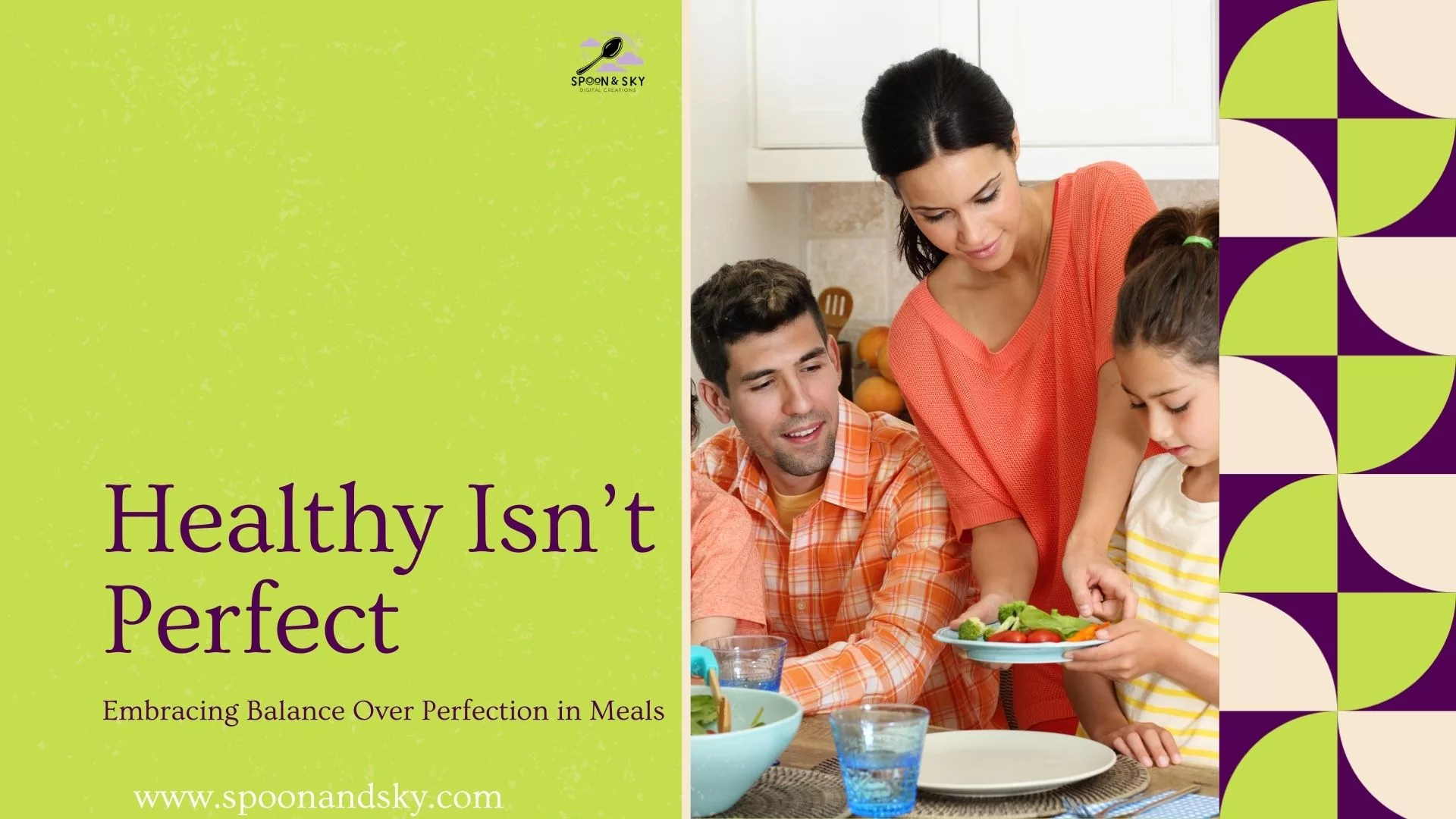
Introduction: When Mealtimes Feel Like a Balancing Act
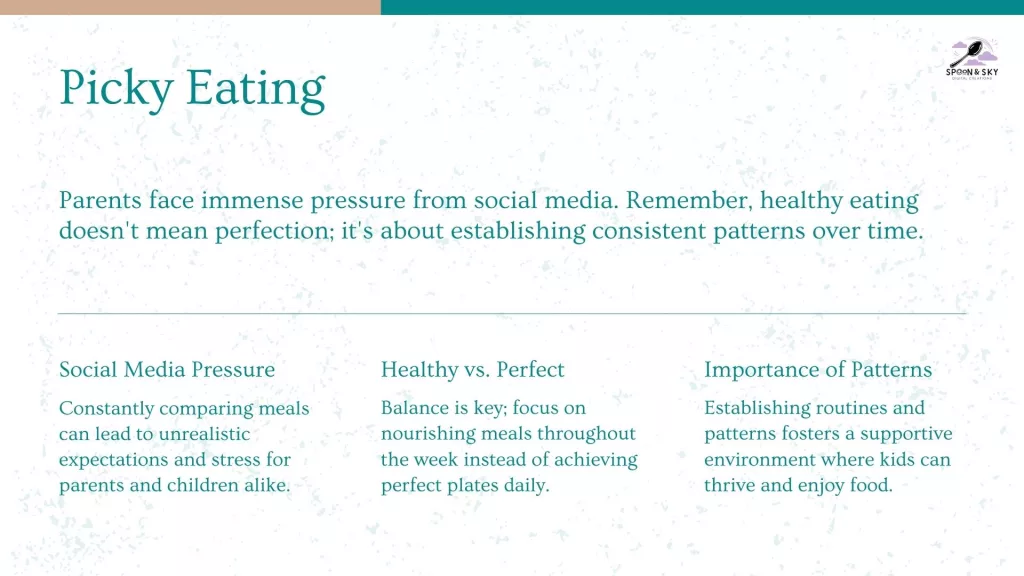
If you’ve ever scrolled through Instagram and felt like the only parent not serving rainbow-colored veggie platters or bento boxes shaped like zoo animals, you’re not alone. Between social media pressure, picky eaters, and long to-do lists, feeding kids can feel like an impossible juggling act.
Here’s the truth parents need to hear: healthy eating doesn’t mean perfect eating.
Sometimes it’s frozen peas microwaved at the last minute. Sometimes it’s breakfast-for-dinner because homework ran long. And sometimes it’s chicken nuggets — and that’s okay. What matters most isn’t picture-perfect meals but patterns: building balance, offering variety, and showing kids that food can be both nourishing and joyful.
Let’s explore gentle, realistic meal strategies that busy families can actually use — plus a handful of mini recipes to make the “what’s for dinner?” panic a little easier.
Part 1: Why Perfect Meals Aren’t the Goal
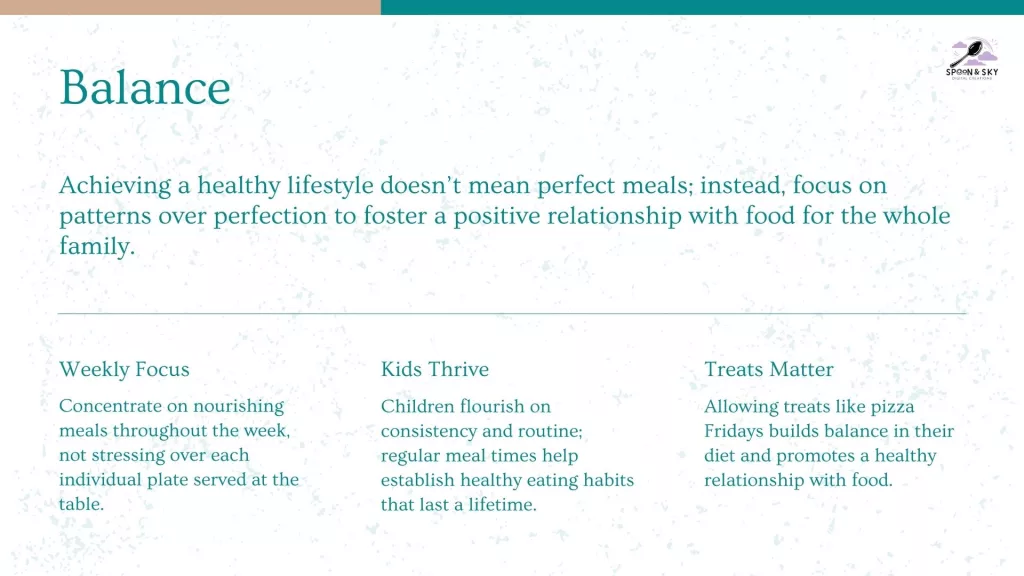
- Balance beats perfection. A week of mostly balanced meals is better than obsessing over every plate.
- Kids learn from rhythm. Consistency matters more than complexity.
- Treats belong too. All foods fit. Ice cream night or pizza Fridays can be part of a healthy rhythm.
💡 Parent mantra: If 80% of what your child eats is nourishing, the other 20% is part of life — not a failure.
Part 2: Everyday Strategies That Actually Work
Here are parent-tested hacks to make mealtimes calmer, healthier, and more doable:
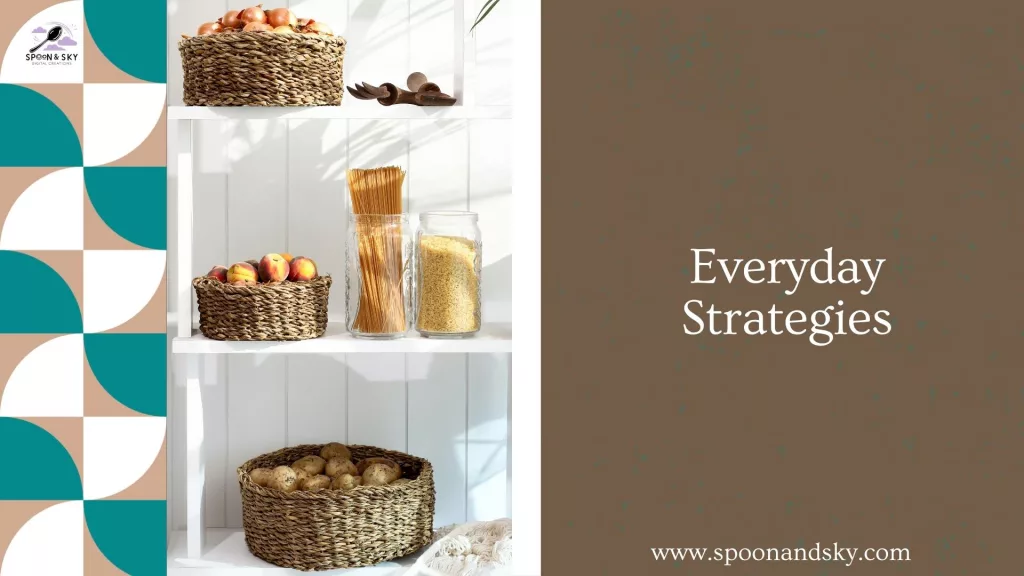
1. Keep a “Good Enough” Pantry
Stock basics that can be turned into meals fast:
- Whole-grain pasta + jarred marinara + frozen veggies
- Canned beans + tortillas + shredded cheese
- Eggs + bread + spinach = instant frittata
- Rice + soy sauce + frozen peas = base for quick stir fry
These “building blocks” save you on nights when you can’t face a recipe.
2. Think in Food Groups, Not Recipes
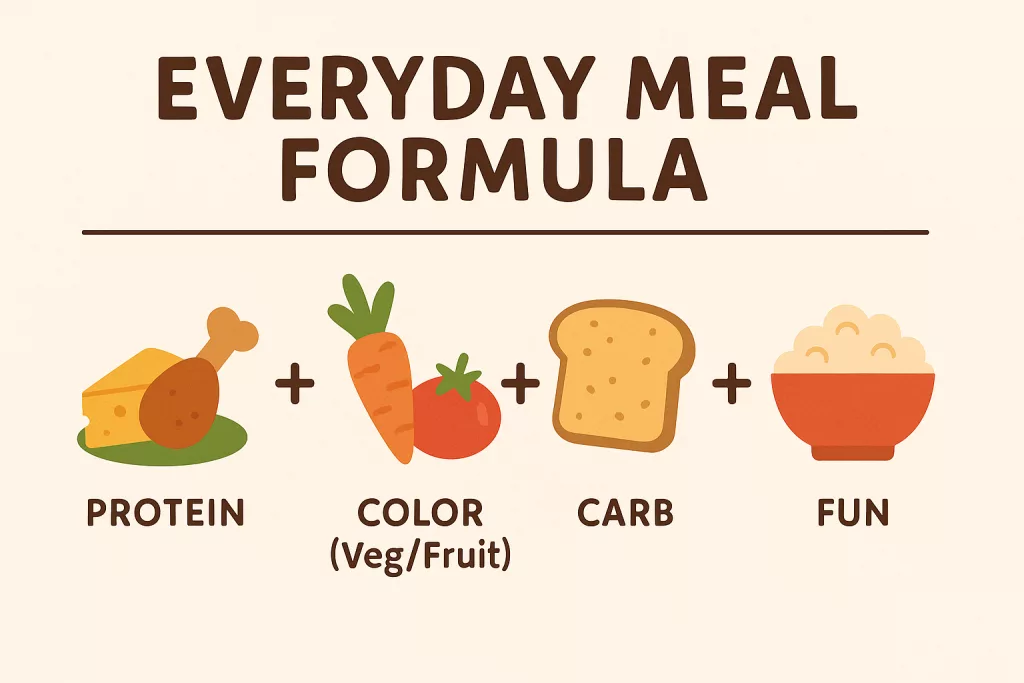
Instead of stressing about recipes, aim for a simple trio:
- Protein (meat, beans, eggs, cheese, yogurt)
- Color/veg (fresh, frozen, or hidden in sauces)
- Carbs (grains, bread, potatoes, pasta)
Add a little fruit and a fun side (like popcorn or a cookie), and you’ve got balance without fuss.
3. Embrace Shortcuts Without Guilt
- Frozen veggies are just as nutritious as fresh.
- Rotisserie chicken = three meals in disguise (wraps, soup, quesadillas).
- Pre-cut fruit means kids are more likely to grab it.
- Store-bought hummus + crackers + veggies = instant balanced snack plate.
Remember: shortcuts aren’t “cheating” — they’re smart parenting.
4. Rotate “Theme Nights”
Predictability reduces stress and decision fatigue. Try:
- Meatless Monday (pasta, bean chili, veggie quesadillas)
- Taco Tuesday (always a hit, always customizable)
- Breakfast-for-Dinner Thursday (pancakes or eggs on toast)
- Pizza Friday (English muffin pizzas, flatbreads, or delivery — balance, remember?)
Kids look forward to themes, and parents get the gift of fewer decisions.
5. Use the Freezer Like a Friend
Batch-prep doesn’t have to mean complicated cooking days. Just tuck extras into the freezer:
- Double a batch of pancakes or waffles → freeze and pop in toaster.
- Cook extra rice or pasta → freeze in single portions for quick lunches.
- Freeze soups, sauces, or casseroles in family-size portions.
Your freezer becomes a backup plan when life goes sideways.
Part 3: Mini Recipes for Real Life
Here’s a set of quick, flexible recipes that work on busy nights (or mornings).
Breakfasts
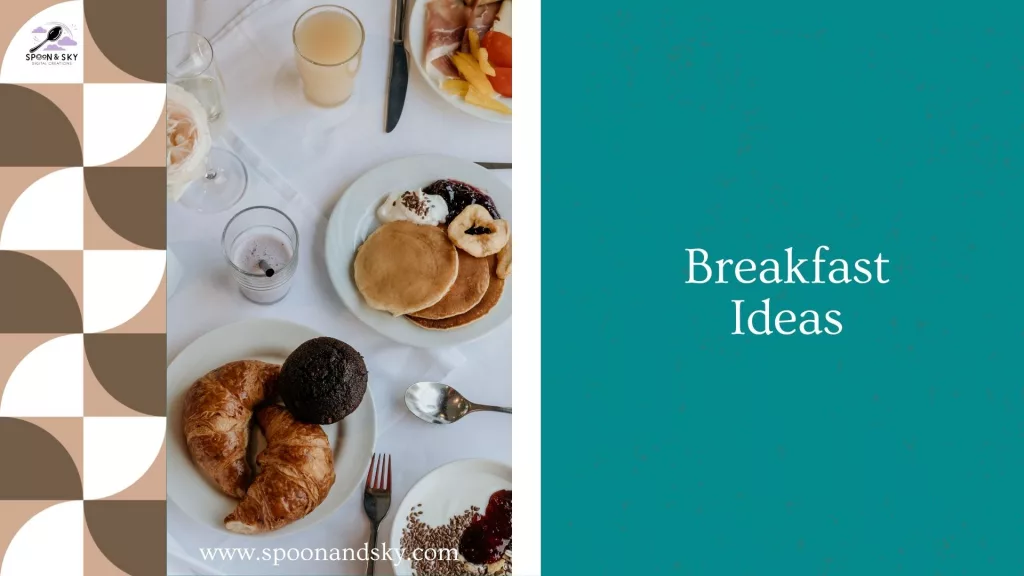
1. 10-Minute Veggie Scramble
- Whisk 4 eggs, add a handful of spinach, a sprinkle of cheese, and cook in a skillet.
- Serve with toast soldiers or fruit on the side.
💡 Variation: Add diced ham, peppers, or swap cheese for salsa.
2. Overnight Oats Jars
- ½ cup oats + ½ cup milk + ¼ cup yogurt + fruit (berries, banana slices).
- Stir, refrigerate overnight in a jar.
- Ready by morning with zero prep.
Variation: Add a drizzle of peanut butter or chia seeds for protein.
3. Smoothie Pops
- Blend banana + frozen berries + yogurt.
- Pour into popsicle molds and freeze.
- Breakfast that feels like a treat.
Snacks & Lunchboxes
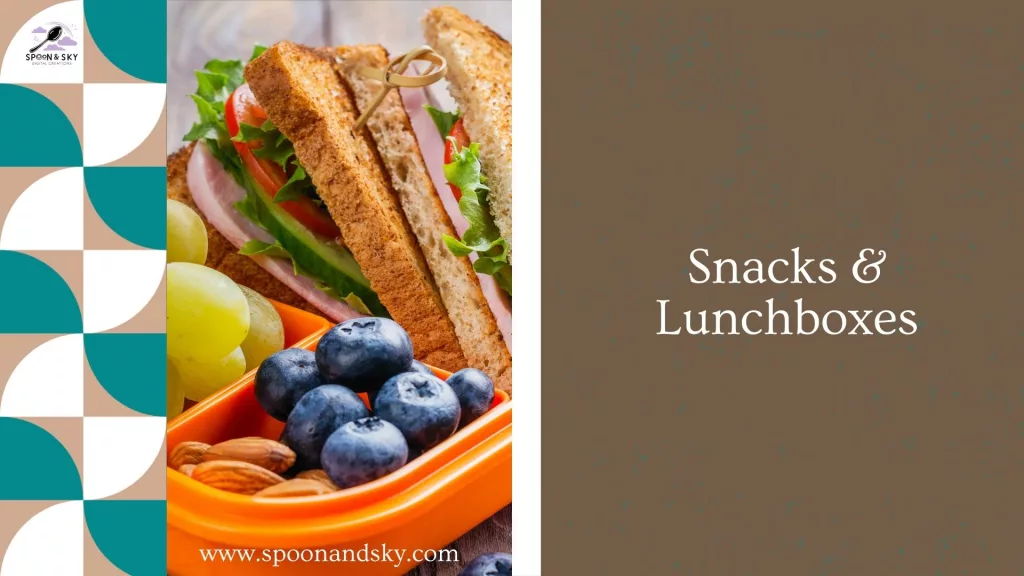
Snack Plate Formula (Protein + Produce + Carb + Fun)
Examples:
- Cheese cubes + grapes + whole-grain crackers + popcorn.
- Boiled egg + cucumber sticks + pita bread + a cookie.
- Hummus + carrot sticks + pretzels + apple slices.
💡 Prep bins at kid-height in fridge and pantry so children can build their own snack plates.
Lunchbox Roll-Ups
- Spread cream cheese on tortilla.
- Add turkey slices, spinach, and roll up.
- Slice into pinwheels for easy bites.
Dinners
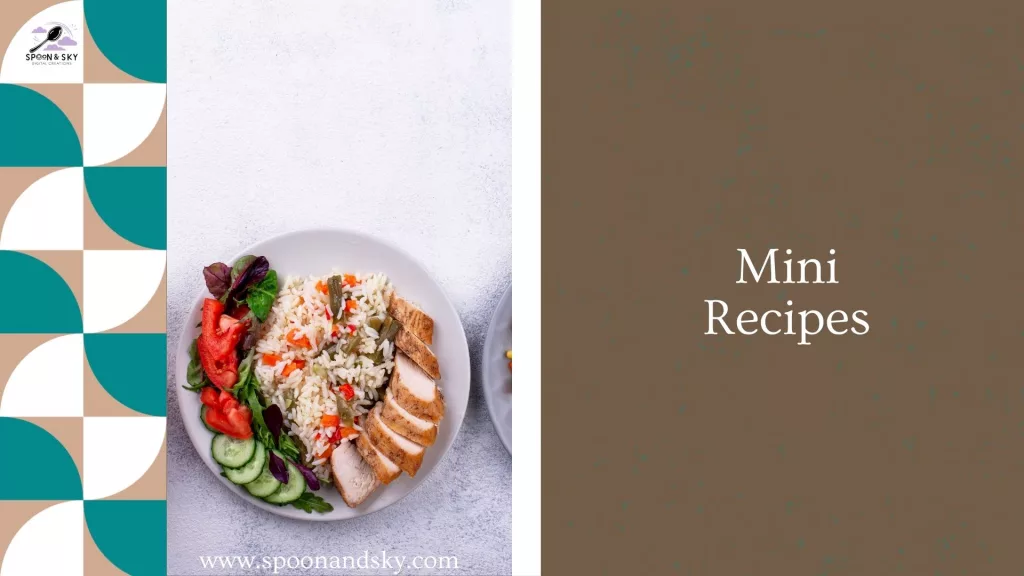
20-Minute Taco Bowls
- Base: rice or quinoa
- Protein: taco-seasoned ground beef, turkey, or beans
- Toppings: shredded lettuce, salsa, avocado, cheese
- Serve buffet-style so kids can build their own.
Sheet Pan Chicken & Veggies
- Toss diced chicken breast, broccoli, and potatoes with olive oil + Italian herbs.
- Roast at 400°F (200°C) for 25 minutes.
- Dinner is done, one tray to wash.
Pasta Night (Two Ways)
- Classic marinara with hidden veggie puree stirred in.
- Or creamy sauce made with blended cauliflower + cheese for “white mac.”
Pancake Night (Breakfast-for-Dinner)
- Whole-grain mix pancakes topped with yogurt + fruit.
- Scrambled eggs on the side for protein.
💡 Parent trick: Add grated zucchini or carrot into the batter — sweet enough that kids won’t notice.
Part 4: Keeping Mealtimes Calm
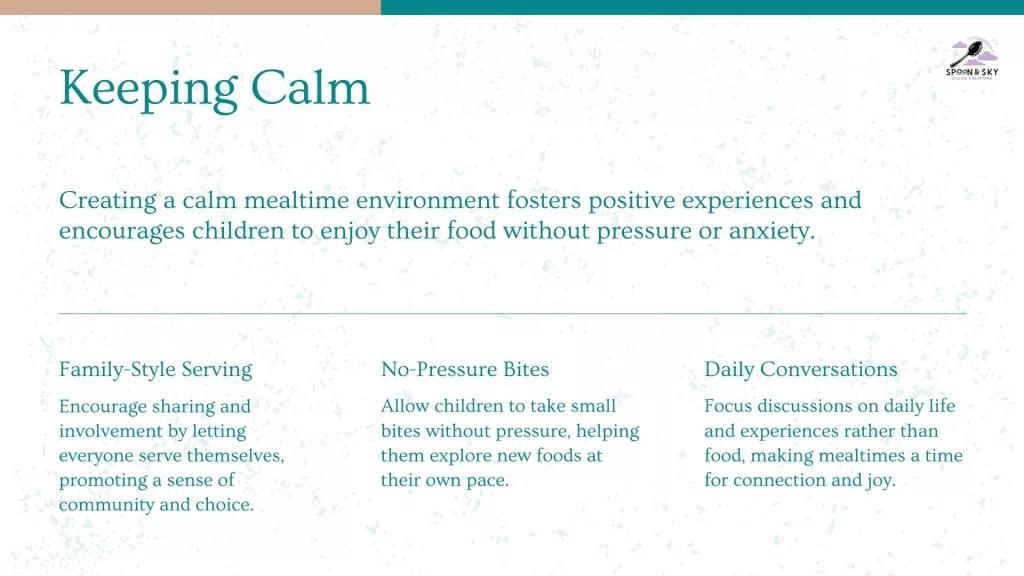
Healthy isn’t just about food — it’s about atmosphere. Try these tips:
- Family-style serving: Place food in bowls at the table so kids serve themselves (more autonomy = less refusal).
- No pressure bites: Offer, don’t force. Kids often circle back to new foods when the pressure is gone.
- Talk about the day, not the food: Keeps the table relaxed and fun.
Part 5: Reflection for Parents
Take a breath and ask yourself:
- What’s one meal that always stresses me out — could I simplify it?
- Where can I use more shortcuts (frozen veg, rotisserie chicken, batch prep)?
- How can I let go of “perfect” and lean into “good enough”?
✨ Remember: Kids don’t remember every plate. They remember the laughter at pancake night, the pride of making their own taco bowl, the coziness of pizza Fridays. That’s the nourishment that really lasts.

Conclusion: Let Go of Perfect, Keep the Joy
Healthy eating doesn’t need to look like a magazine spread. It looks like scrambled eggs on a Tuesday, taco bowls on repeat, or pancakes for dinner when the day’s been long.
The goal isn’t perfect plates — it’s nourished kids and connected families. With a few smart strategies, some quick go-to meals, and permission to relax, feeding your family can feel less like a chore and more like a rhythm of care.
So tonight, put away the pressure. Keep it simple, keep it balanced, and remember: healthy is never perfect — and that’s perfectly okay.
With pancake syrup on the table and grace in the kitchen,
Lily.


✨ Get Your Free Printable ✨
Looking for a simple way to bring a little more calm, structure, or creativity into your day?
Enter your email below and get instant access to your free printable from Spoon & Sky — made to spark joy, imagination, and gentle rhythms at home. 🌿
We’ll send your printable and a few kind, helpful ideas to your inbox. No spam — just calm, creative family tools.
Leave a Reply