

Helping Kids (and Parents) Build Connection

Friendship is one of the sweetest parts of childhood—and one of the most grounding parts of parenting. Whether it’s a child learning to share a swing at school, or a parent finding someone to text after a hard day, friendships give us belonging, laughter, and support.
But here’s the truth: making friends isn’t always easy. For kids, social skills don’t arrive overnight. For parents, adult friendships can feel impossible between naps, schedules, and work. The good news? With a little intention, both kids and parents can learn how to build and nurture meaningful connections.
In this guide, we’ll explore how to help children grow social confidence and how parents can strengthen their own support networks. Think of it as a two-way friendship manual—because our kids learn by watching how we connect, too.
Why Friendships Matter for Kids

Friendship is more than playdates and birthday parties. It’s a foundation for resilience, empathy, and wellbeing. Research shows that children with positive peer connections often:
- Develop stronger emotional regulation
- Learn problem-solving skills faster
- Feel more secure and confident in new environments
- Experience reduced stress and anxiety
But beyond the science, friendships bring joy. Running with a friend at recess, sharing a silly joke, or building a secret fort—these moments give kids a sense of belonging.
Parent takeaway: even if your child struggles socially at first, the skills can be learned. Social confidence is a muscle we help them flex.
How to Teach Kids Social Skills

Children aren’t born knowing how to start conversations, share, or navigate conflict. These are skills—like tying shoes—that need modeling, practice, and gentle correction.
1. Model Friendly Behavior
Kids are always watching. Greet neighbors, thank shop clerks, or chat with another parent at the playground. Narrate small moments:
- “I’m saying hello so she knows I see her.”
- “I asked how his day was because I care.”
This shows that friendliness is approachable and normal.
2. Practice Social Scripts at Home
Role-play simple situations:
- At school: “Can I play with you?”
- At the park: “Do you want to take turns on the slide?”
- In groups: “That’s a cool toy. Can I try?”
Turn it into a game—switch roles so your child can practice both sides.
3. Celebrate Effort, Not Outcome
If your child waves at a peer or says hello, that’s huge. Even if the other child doesn’t respond, praise the courage:
“I loved how brave you were when you said hi. That’s a kind thing to do.”
4. Normalize Rejection
Not every child will say yes to play—and that’s okay. Teach resilience with phrases like:
- “Maybe they’re not ready right now. Let’s ask someone else.”
- “It’s not about you—it’s just a no for now.”
This helps kids avoid taking rejection personally.
5. Encourage Empathy
Ask reflective questions:
- “How do you think she felt when you shared your toy?”
- “What could we do if someone is feeling left out?”
These build emotional awareness, the bedrock of friendship.
Helping Kids Make Friends Inside School
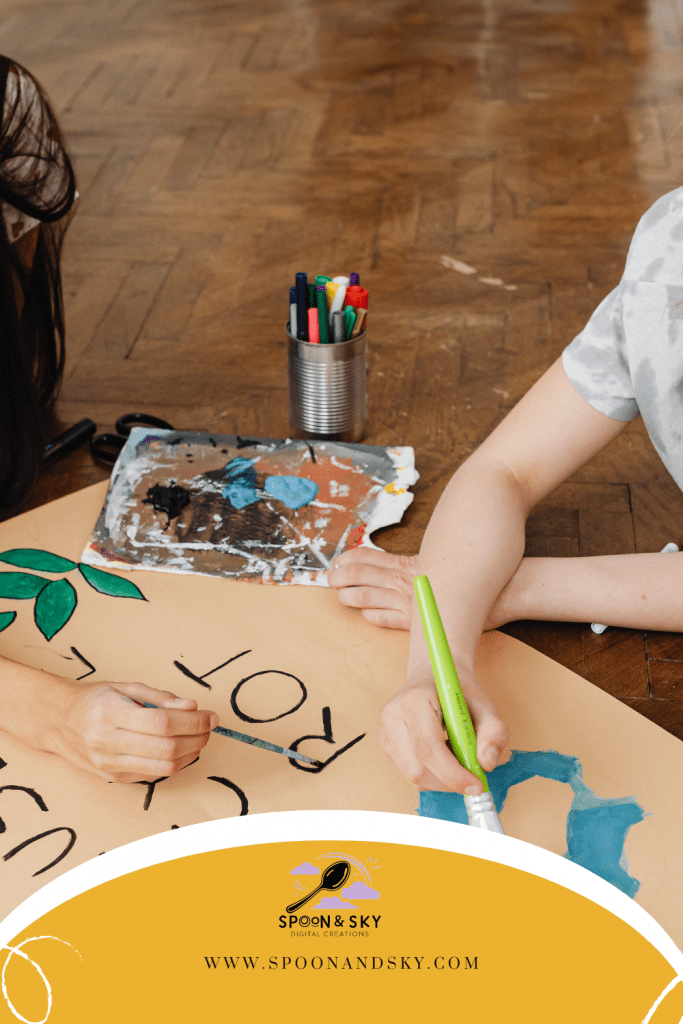
School is often the first big social laboratory for kids. Here’s how parents can support from the sidelines:
- Connect with the teacher. Ask about your child’s social interactions. Teachers see patterns you might not.
- Encourage group activities. Clubs, art, or sports help kids bond over shared interests.
- Facilitate small playdates. Some children thrive in one-on-one play before larger groups feel safe.
- Coach conversation starters. Share ideas like “What’s your favorite game?” or “Do you want to build together?”
Tip for shy kids: Ask the teacher to pair your child with a “buddy” in class—it gives them a ready-made partner to lean on.
Helping Kids Make Friends Outside School

Friendships don’t have to be confined to the classroom. Outside-school connections can feel more relaxed and less pressured.
- Playgrounds & Parks: Encourage children to join games, share toys, or take turns.
- Playgroups: Especially for younger children, structured playgroups provide both social practice and a routine.
- Sports Teams or Classes: From football to dance, these settings naturally foster cooperation.
- Library Story Times: Low-pressure environments where kids gather around a common activity.
- Neighborhood Play: Even just knocking on a neighbor’s door can spark long-term friendships.
When Kids Struggle Socially

Not every child is outgoing—and that’s okay. Some kids are observers before they join. Some prefer one deep friendship over ten casual ones.
If your child is struggling:
- Validate feelings: “It’s okay to feel nervous about making new friends.”
- Start small: Aim for one new friend, not ten.
- Mix ages: Older or younger kids can sometimes provide a softer entry point.
- Offer gentle coaching: Role-play introductions before an event.
If worries persist or impact wellbeing, consider speaking to a teacher or counselor for additional support.
Why Parents Need Friendships Too

It’s not just about the kids. Parenting can be isolating, especially in early years or during big transitions like moving to a new city. Friendships give parents:
- Emotional support (a listening ear after a meltdown-filled day)
- Practical help (childcare swaps, carpooling, hand-me-downs)
- A sense of belonging (knowing you’re not the only one struggling with picky eaters)
And remember: your friendships model social connection for your child. When they see you texting a friend or laughing over coffee, they learn that relationships matter.
How Parents Can Make Friends

1. Start Where You Already Are
- Chat at school drop-off or pick-up.
- Join class WhatsApp or Facebook groups.
- Say yes to group birthday parties (even if they feel chaotic).
2. Join Parent-Focused Spaces
- Community centers: Often host family activities or parent meetups.
- Libraries: Story times or book clubs.
- Religious groups: If applicable, these can provide built-in communities.
- Gyms or fitness classes: Parent-and-child yoga or stroller walks.
3. Volunteer
School fairs, fundraisers, or classroom help are natural conversation starters. Working side by side makes connecting easier.
4. Use Digital Tools Wisely
Apps like Meetup or Peanut connect parents locally. While online friendships are real, try to anchor them in face-to-face meetups when possible.
5. Host Small Gatherings
You don’t need Pinterest-perfect snacks. A simple “park picnic” or “coffee after drop-off” is enough. The goal is connection, not presentation.
For Shy or Introverted Parents

You don’t need to be the loudest in the room to build friendships. Try:
- Starting with one-on-one invites rather than big groups.
- Sharing small compliments (“I love your daughter’s backpack!”).
- Using activities as buffers (walks, playdates, classes).
- Remembering: many parents feel just as nervous.
The Cons of Friendship Pressure
A quick word of balance: while friendships are wonderful, there can be pressure to always be social. For both kids and adults, it’s okay to need downtime.
- Kids don’t need dozens of friends—a few meaningful ones are enough.
- Parents don’t have to attend every group or event.
- Introversion is not a flaw—it’s a temperament.
Teaching children that alone time is healthy is just as important as teaching them how to make friends.
Building a Family Culture of Connection

When families prioritize connection—both inside and outside the home—children grow up seeing relationships as part of life’s rhythm. Some ideas:
- Weekly Friend Date: Invite a friend for tea, a walk, or play.
- Family Gratitude Circle: Share one person outside the family you’re grateful for this week.
- Model Repair: If you have a disagreement with a friend, let your child see you apologize and rebuild.
Friendship is not about perfection—it’s about presence.
Closing Inspiration

Friendships—whether on the playground or over coffee—are the threads that hold us together. For kids, they build confidence, empathy, and joy. For parents, they offer laughter, shoulders to lean on, and a sense of being less alone.
If making friends feels daunting, start small: a wave on the playground, a quick hello at school pick-up, a shared bubble-blowing game in the park. Those tiny steps add up.
And maybe that’s the secret: friendship isn’t built in grand gestures—it’s built in moments. A smile. A shared snack. A story told side by side.
So here’s your gentle reminder: connection is always possible—at any age, in any season.
With warmth and encouragement,
Lily Luz
Spoon & Sky



✨ Get Your Free Printable ✨
Looking for a simple way to bring a little more calm, structure, or creativity into your day?
Enter your email below and get instant access to your free printable from Spoon & Sky — made to spark joy, imagination, and gentle rhythms at home. 🌿
We’ll send your printable and a few kind, helpful ideas to your inbox. No spam — just calm, creative family tools.
Leave a Reply