

As parents, we spend so much time teaching kindness, curiosity, and independence — but what about money sense?
For children, learning about money isn’t about pounds or pennies — it’s about understanding choices. Choices to save, share, or spend. Choices that build patience, gratitude, and a sense of value.
At Spoon & Sky, we believe that even the smallest moments — a pretend shop in the living room or saving for a toy — can help children grow into confident, thoughtful decision-makers.
And the best part? You don’t need worksheets or complicated charts. Just everyday play, gentle conversations, and a few coins.
🌱 Why Teach Kids About Money Early?
Between ages 3–8, children begin to grasp the concept of value: they notice that coins, cards, and notes mean “something.”
Introducing financial learning early doesn’t mean talking about credit scores — it means planting seeds of awareness:
- Understanding exchange: “I give something, I get something.”
- Recognizing effort: “We work or wait for things we want.”
- Practicing patience: “We can save for later.”
- Building empathy: “We can share what we have.”
These skills aren’t just about money — they’re emotional tools. Patience, gratitude, and choice-making will help them thrive in every area of life.
🏦 The Building Blocks of Early Financial Learning
Here’s what children 3–8 can begin to understand:
| Age | Focus | How to Teach It |
|---|---|---|
| 3–4 years | Recognizing coins & notes | Sort by size, shape, color — make it tactile! |
| 4–5 years | Understanding exchange | Pretend shops, swapping toys, snack bar role-play |
| 5–6 years | Learning value | “This coin buys that treat” — simple cost comparisons |
| 6–8 years | Saving & goal-setting | Jars for “save,” “spend,” and “share” — add to them weekly |
Learning happens best through hands-on play. Let’s look at how to make that magic happen.
🛍️ 1. Pretend Play: The Power of the Mini Shop
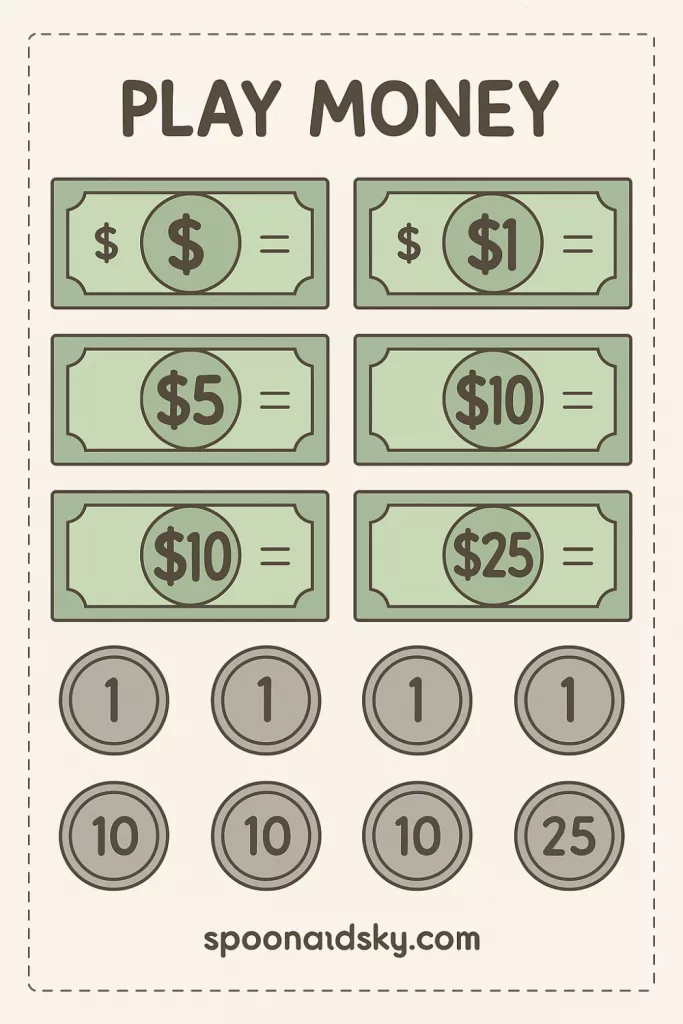
Set up a little corner shop with toys, snacks, or even buttons. Give your child a few coins (real or paper cut-outs). Label prices simply:
- Banana: 2p
- Toy car: 5p
- Cookie: 1p
Take turns being the shopkeeper and the customer.
Ask:
💬 “What can you buy with this much?”
💬 “Do you want to save for something bigger?”
🧠 Teaches: decision-making, counting, turn-taking, patience
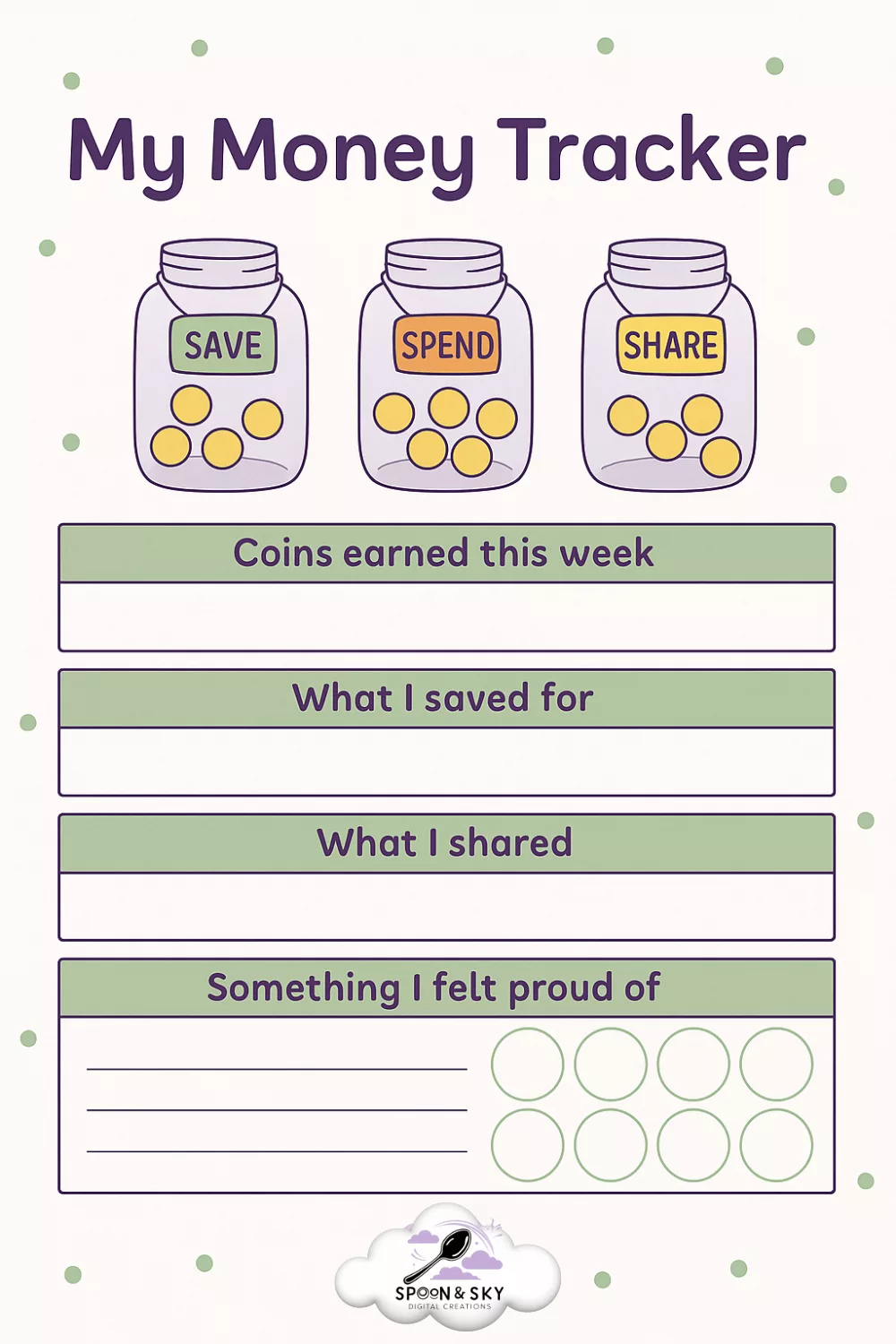
🐖 2. The Three-Jar System: Save, Spend, Share

Get three jars (or tins) and label them:
- Save – for something they want later
- Spend – for little treats or activities
- Share – for giving to others (charity box, helping a friend, etc.)
Each week, give your child a small allowance or “earnings” from helping at home — even 20p split between jars works.
💡 Let them see the coins grow. It helps them grasp value better than a digital number ever could.
🧠 Teaches: planning, generosity, patience
🎲 3. Money Games You Can Play Anytime
Turn learning into fun — here are a few ideas that fit easily into your family rhythm:
Coin Sorter Challenge
Mix coins in a bowl and have your child sort by size or value.
👉 For older kids, ask them to make groups that equal 10p or £1.
Price Match Game
Show two items (a small treat and a bigger one).
Ask: “This one costs 2 coins, this one costs 5. Which could we buy if we only had 4?”
The Wish List Game
Make a picture wish list — draw or print things they’d like. Talk about what might take more saving and what could be a “quick win.”
🧠 Teaches: visualizing goals, problem-solving, math skills
🍪 4. Kitchen Counting: The Tasty Way to Learn Value
The kitchen is full of little lessons in patience, measurement, and value.
Try this:
When baking, label ingredients with pretend “prices” — flour 2p, eggs 1p, chocolate chips 3p.
Give your child a set “budget” (say, 10p) and let them “shop” for what they’ll add to the mix.
It’s playful, creative, and gives real meaning to making choices.
🧠 Teaches: basic budgeting, trade-offs, and resourcefulness
🧩 5. Craft Your Own “Coin Chart”
Children love collecting — why not make a visual chart where they can track coins they’ve earned?
On a large piece of paper, draw ten circles.
Each circle = 10p earned.
Color them in together as the week goes on.
When they fill the sheet, decide together how to use it — maybe a trip to the park café or choosing a new book.
🧠 Teaches: delayed gratification, visual progress tracking
📚 6. Books That Teach Kids About Money
This post contains affiliate links. As an Amazon Associate, I earn from qualifying purchases. That means if you click a link and buy something, I may receive a small commission — at no extra cost to you. I only recommend products I genuinely love and believe will bring value to your family.
Children learn best through story. These picture books make money concepts fun, gentle, and relatable:
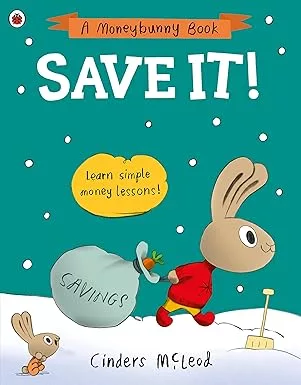
- Save It! by Cinders McLeod — bright, funny, and full of animal characters learning how to save for what matters.
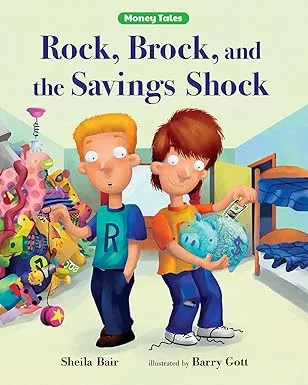
- Rock, Brock, and the Savings Shock by Sheila Bair — teaches compound saving through story.
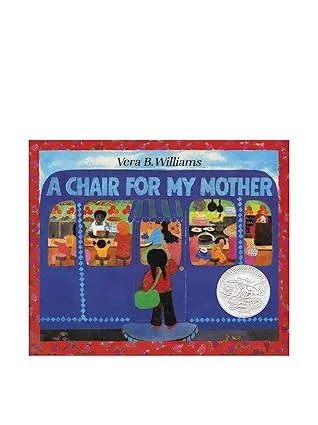
- A Chair for My Mother by Vera B. Williams — a classic about working together, saving, and generosity.
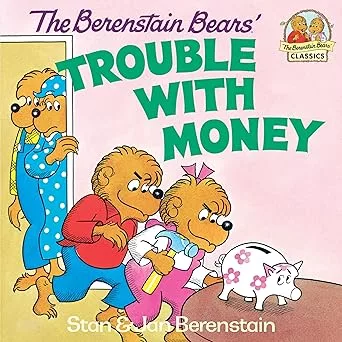
- The Berenstain Bears’ Trouble with Money by Stan & Jan Berenstain — timeless lessons in earning and spending.
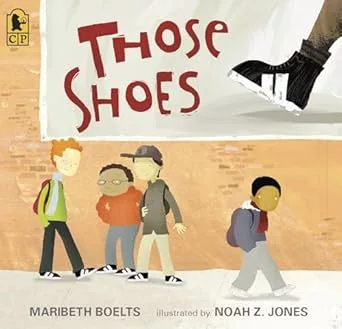
- Those Shoes by Maribeth Boelts — empathy, gratitude, and learning that “want” isn’t always “need.”
📖 Pro Tip: Keep one of these books near your bedtime stack — reading about value reinforces gentle lessons about patience and kindness.
💡 7. Real-Life Practice: Everyday Money Moments
- In the shop: Let your child hand over the coins or tap the card.
- At home: Create a simple “job board” — watering plants, setting the table, feeding the pet. Let them earn small coins or tokens.
- In conversation: Use phrases like “We’re saving for…” or “We’ll choose next week” to model patience and planning.
🧠 Teaches: delayed reward, communication, responsibility
🪙 8. Printable Activity: My Money Tracker
Create a simple chart or use one from the file attached below.
Include:
- Coins earned this week
- What I saved for
- What I shared
- Something I felt proud of
Color, draw, and celebrate progress — because the goal isn’t perfection, it’s confidence.
✨ Get your chart here:
🌿 Final Thoughts
Teaching money to young children isn’t about creating mini-accountants — it’s about helping them build calm, confident relationships with value.
By making it playful, visual, and emotional, we turn an abstract concept into something meaningful.
They’re not just learning math — they’re learning mindfulness, choice, and gratitude.
Because when we teach kids how to handle little things with care — time, toys, or coins — they grow into people who handle big things with wisdom.
💫 Now, if you’ll excuse me, there’s a tiny “shopkeeper” waiting to sell me a plastic banana for 5p and a paper cookie for 3p — and I wouldn’t miss that trade for the world.
With warmth (and jingling pockets),
Lily Luz
Spoon & Sky Studios


✨ Get Your Free Printable ✨
Looking for a simple way to bring a little more calm, structure, or creativity into your day?
Enter your email below and get instant access to your free printable from Spoon & Sky — made to spark joy, imagination, and gentle rhythms at home. 🌿
We’ll send your printable and a few kind, helpful ideas to your inbox. No spam — just calm, creative family tools.
Leave a Reply