
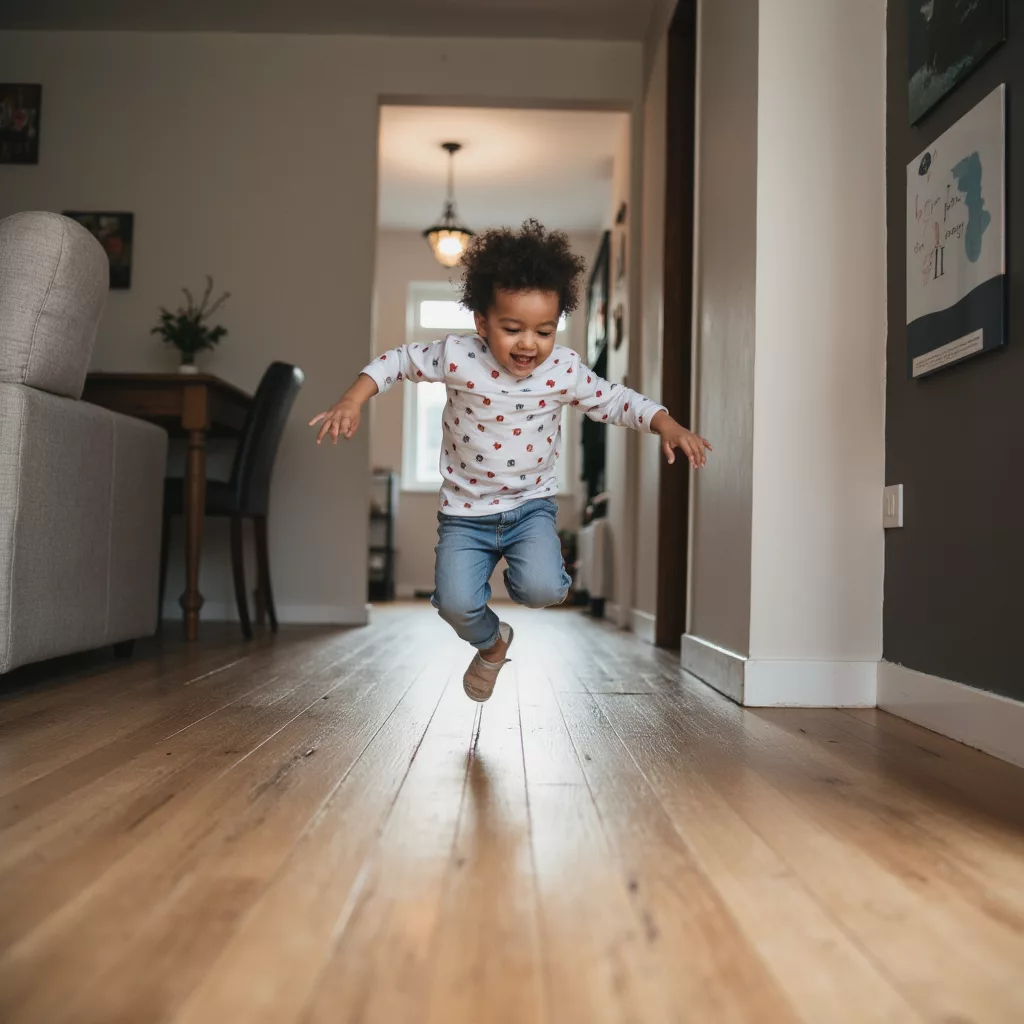
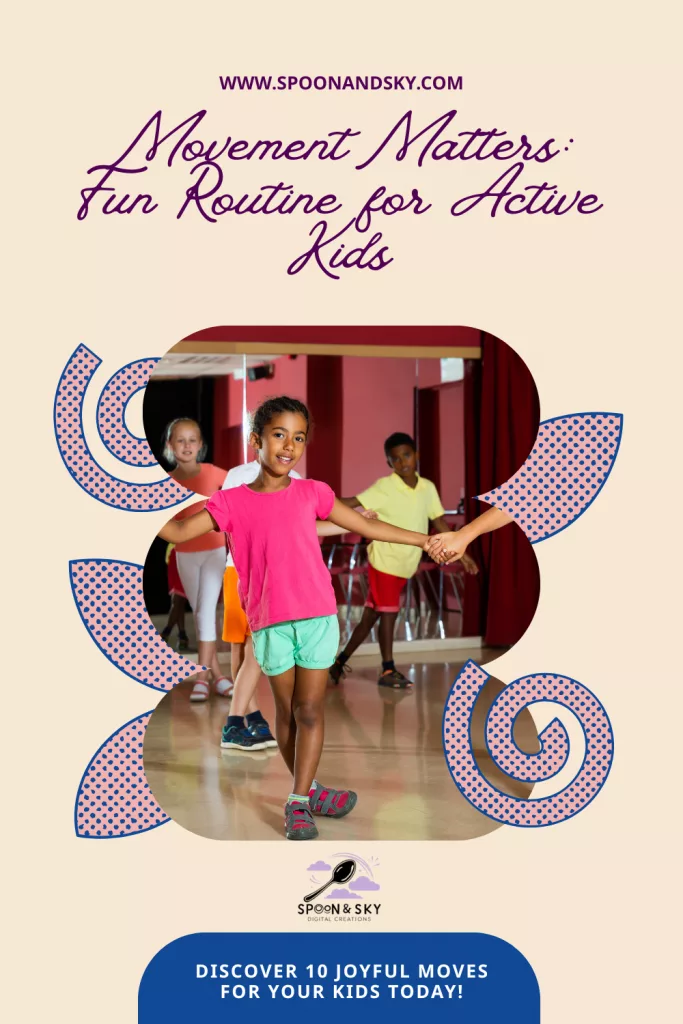
Children are bundles of energy. Some mornings it feels like they’re vibrating with excitement before you’ve even finished your first sip of tea, while other times they’re sluggish, dragging their feet to get dressed. Movement is one of the best tools we have to help children reset — whether that means shaking out wild energy, waking up sleepy bodies, or winding down before rest.
The beauty of movement is that it’s free, simple, and always available. You don’t need a gym membership, special equipment, or even much space. Just a willingness to join in, be playful, and follow a rhythm.
At Spoon & Sky, I believe in simple tools for joyful structure — and a short movement routine can do wonders for children’s emotional regulation, focus, and mood. Let’s explore why movement matters, then I’ll share a quick 10-step routine you can use anytime, anywhere.
Why Movement Is So Powerful for Kids
Movement isn’t just about fitness. For children, it’s about integration.
- Brain and body connection: Movement activates neural pathways that support focus, memory, and problem-solving.
- Emotional regulation: Big feelings move through faster when the body is moving.
- Confidence and self-awareness: Trying new movements teaches balance, coordination, and “I can do this” thinking.
- Bonding: Moving together creates playful connection — less nagging, more giggles.
Even five minutes of intentional movement can shift the whole energy of a day.
When to Use a Movement Routine
- Morning wake-ups: Shake off the sleepiness and get ready for school.
- After school: Release pent-up energy before settling into homework or dinner.
- Rainy days: Burn energy indoors when everyone’s climbing the walls.
- Before bed: Choose gentler moves for a calming wind-down.
The key: consistency. A familiar sequence makes children feel secure and eager.
A 10-Move Routine for Kids (Ages 3–8)
This routine takes about 10 minutes. Each move lasts 30–60 seconds, and you can repeat favorite ones or skip if needed. No equipment required.
1. Big Stretches to the Sky 🌞
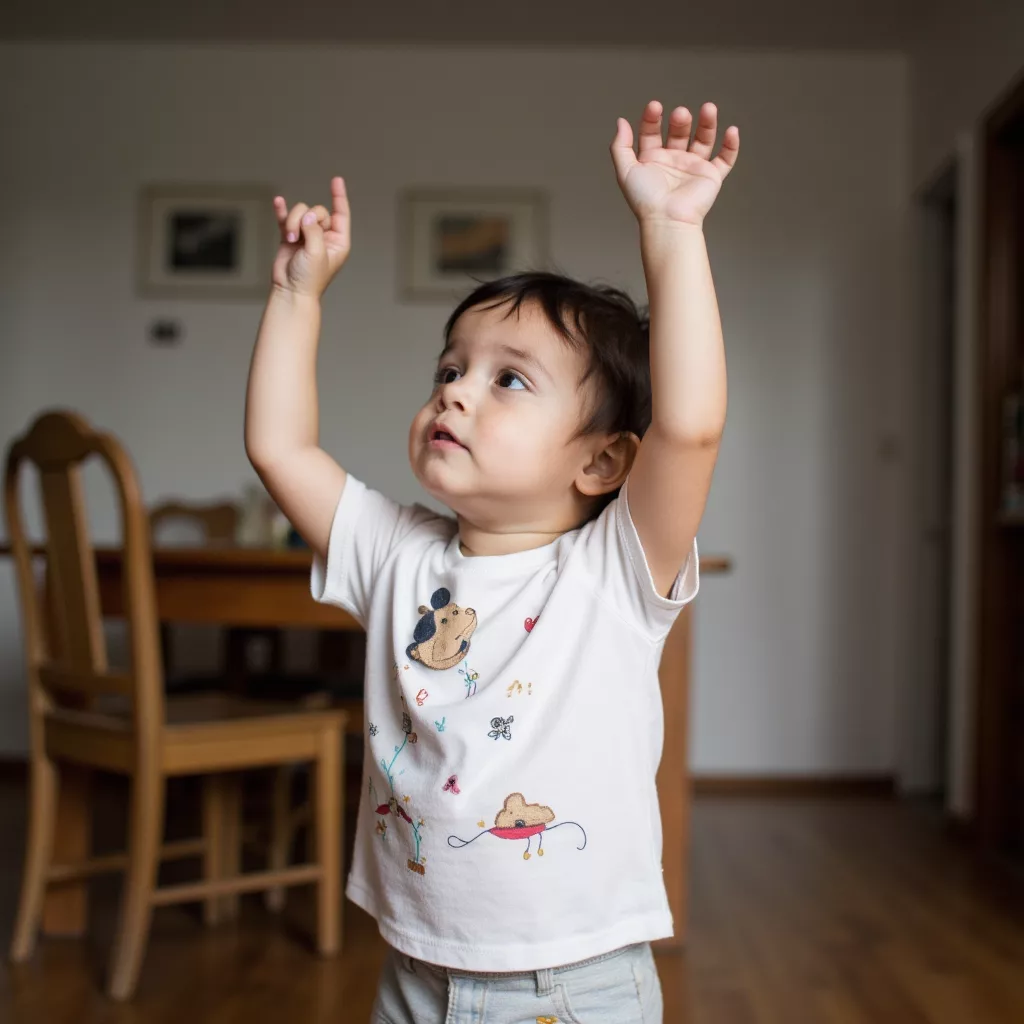
Reach arms up high, wiggle fingers, then flop forward to touch toes.
- Prompt: “Wake up your body like a sunflower reaching for the sun.”
2. Jumping Beans 🌱
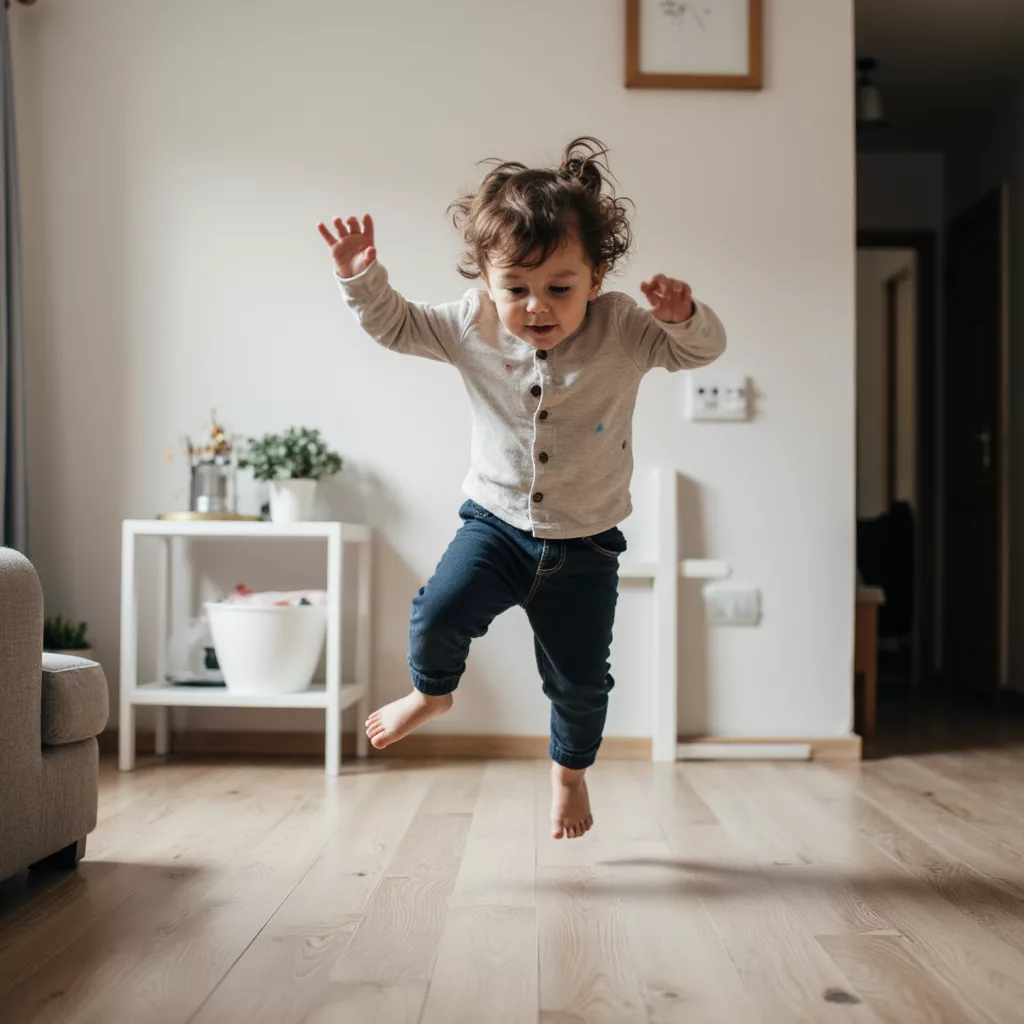
Do 10 little jumps on the spot, then crouch down low, then spring back up.
- Prompt: “Can you jump higher than a bean sprout?”
3. Marching Parade 🎺
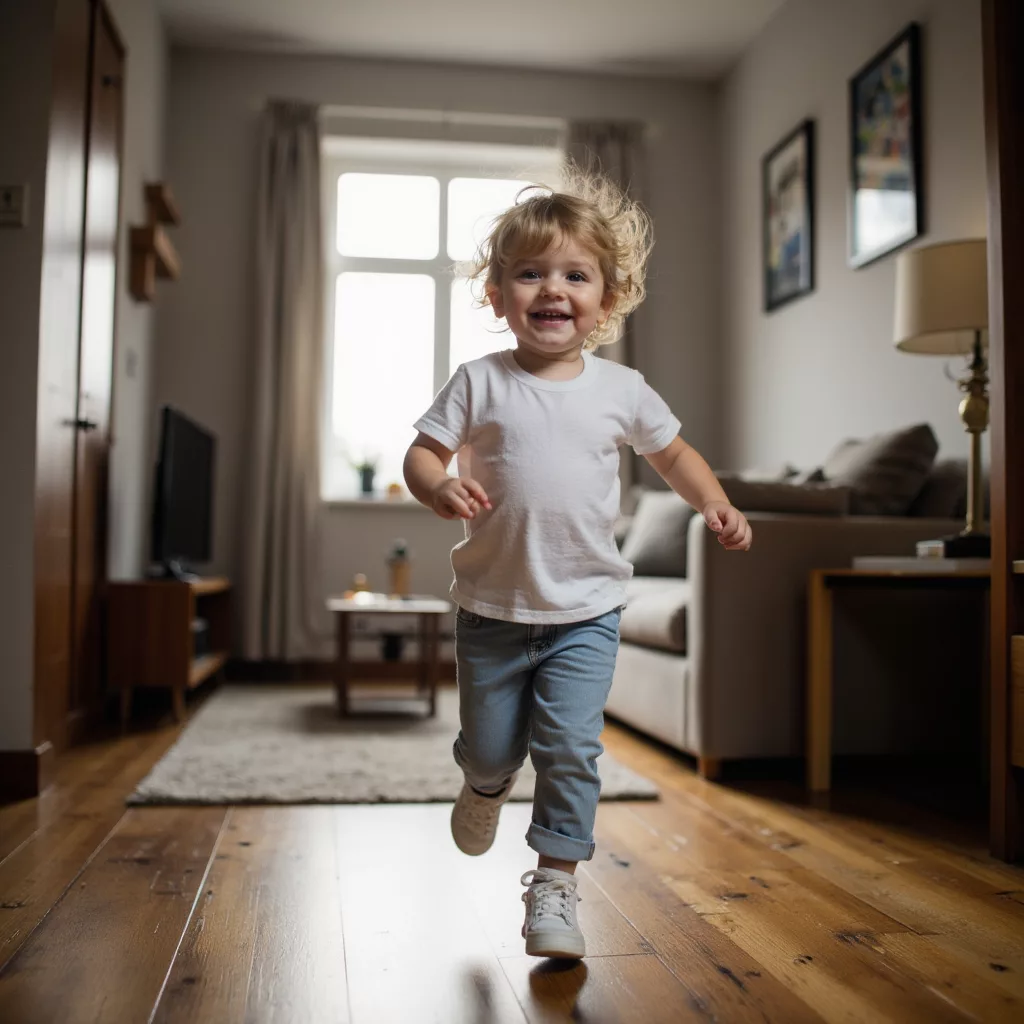
March around the room, lifting knees high. Add clapping or a silly chant.
- Prompt: “Who’s leading the parade today?”
4. Animal Walks 🐻🐸🦆
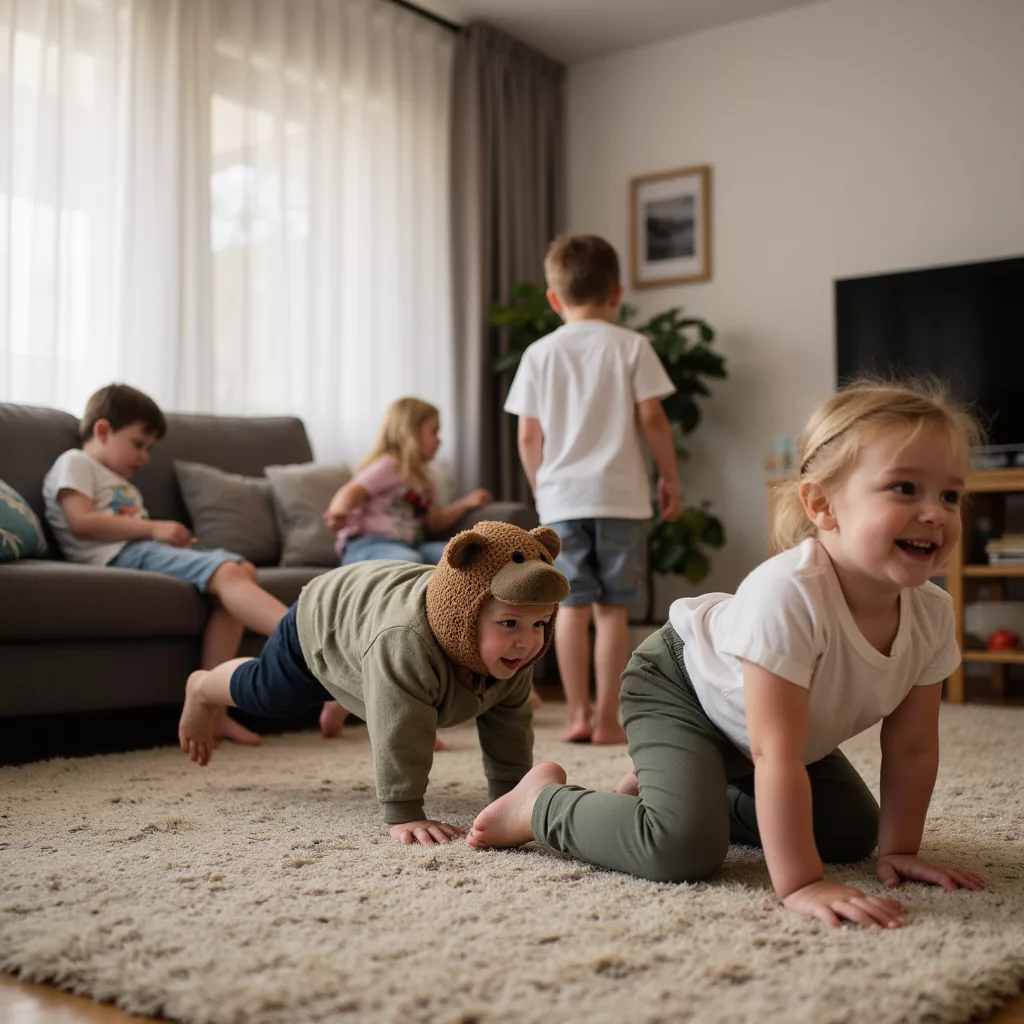
Choose animals: crawl like a bear, hop like a frog, waddle like a duck.
- Prompt: “Which animal is the sleepiest? Which one is the loudest?”
5. Spin and Freeze ❄️
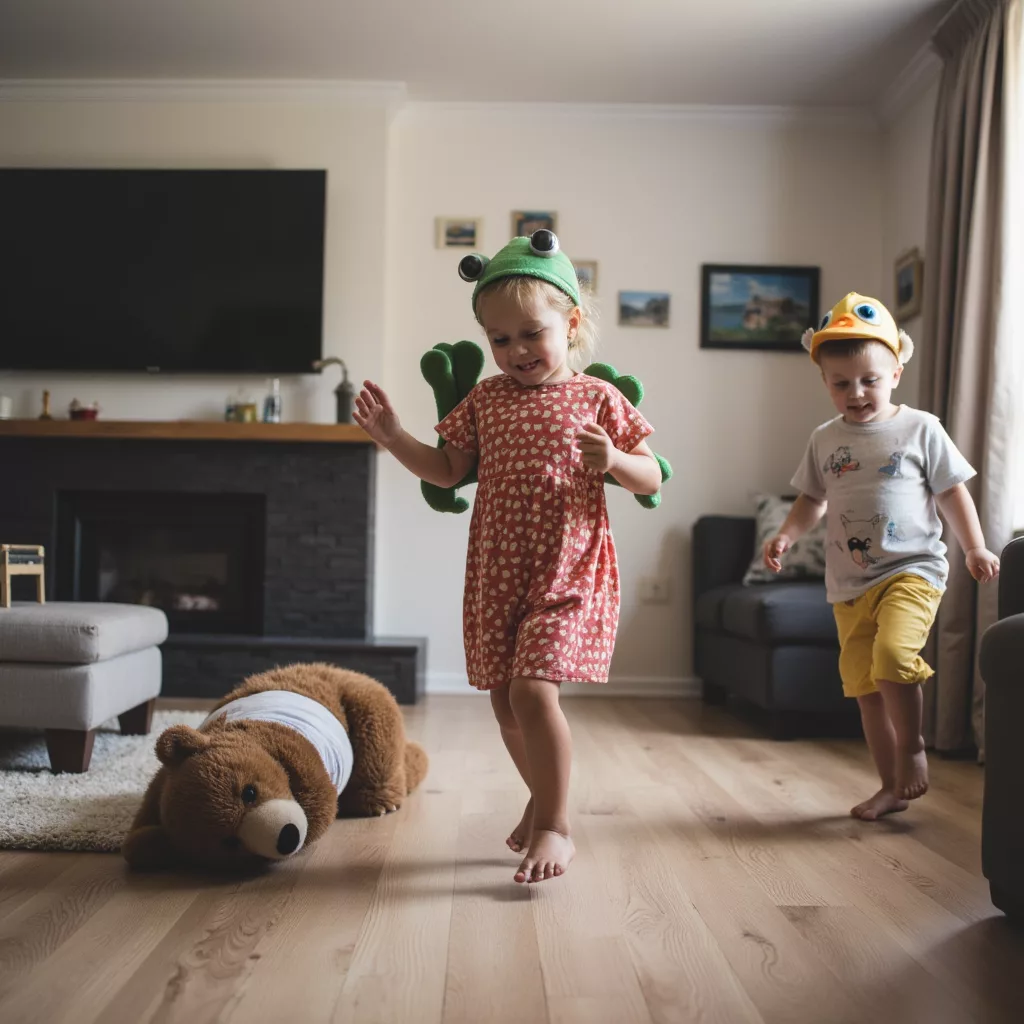
Spin gently in a circle, then freeze like a statue when you clap or call “stop.”
- Prompt: “Can you be a frozen superhero?”
6. Balance Challenge ⚖️
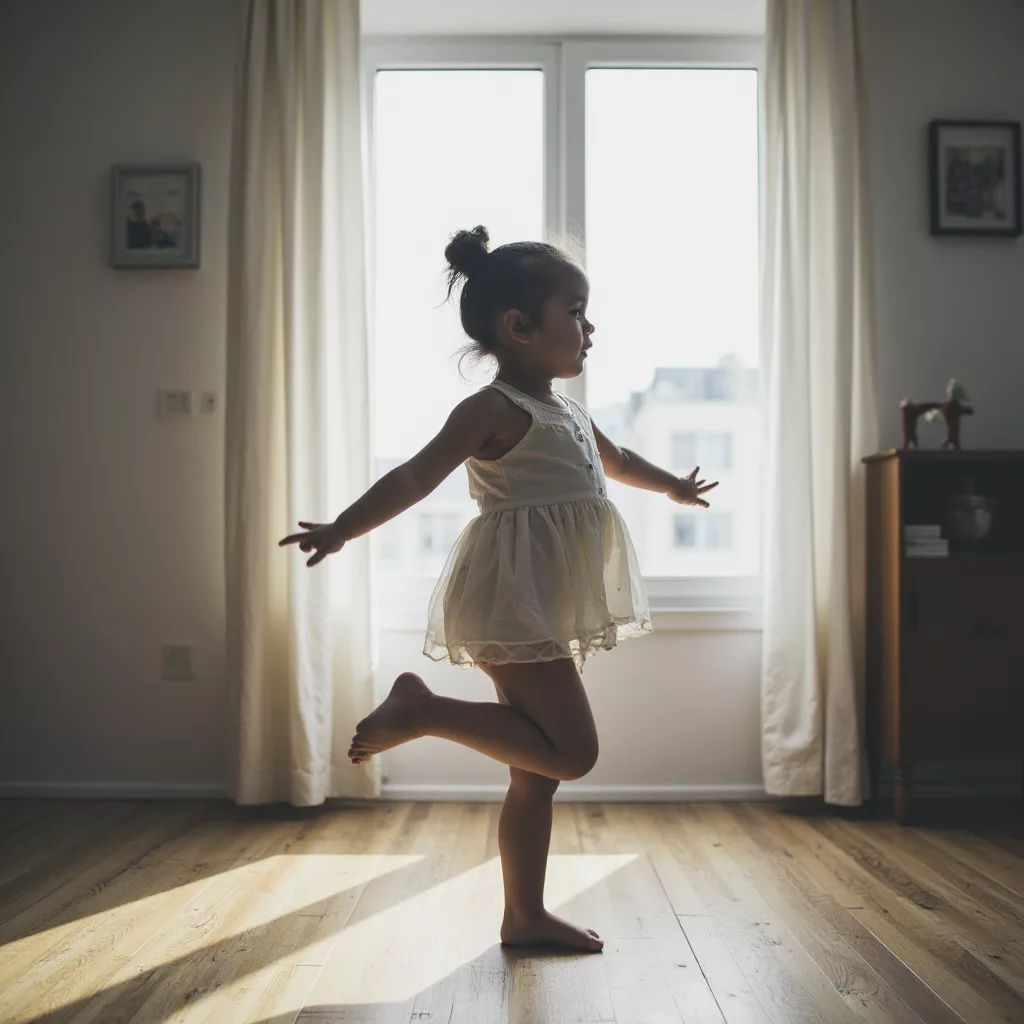
Stand on one leg for 5 seconds, then switch. Try adding arm movements.
- Prompt: “Pretend you’re a flamingo!”
7. Crab Walk Crawl 🦀
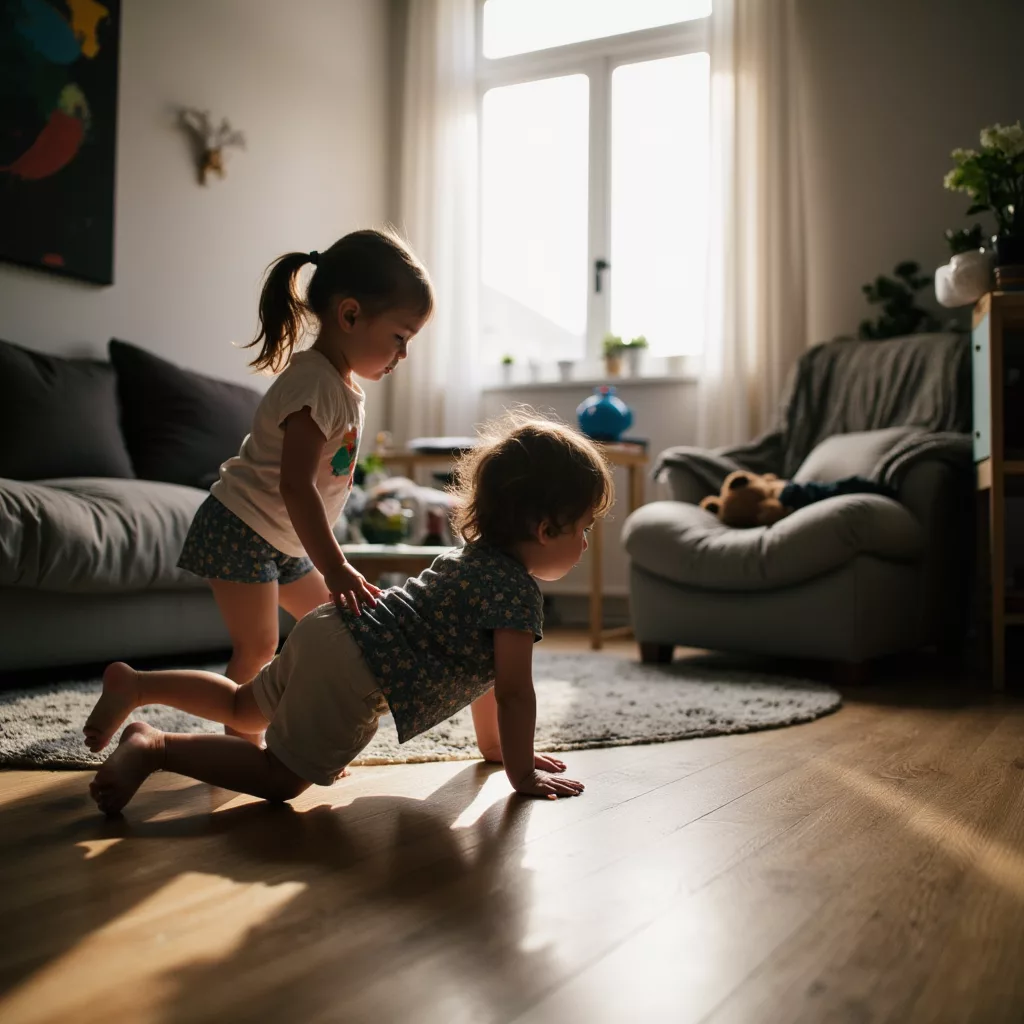
Sit with feet and hands on the floor, tummy up, walk sideways like a crab.
- Prompt: “Can your crab carry something on its tummy?”
8. Tunnel Stretch 🌉
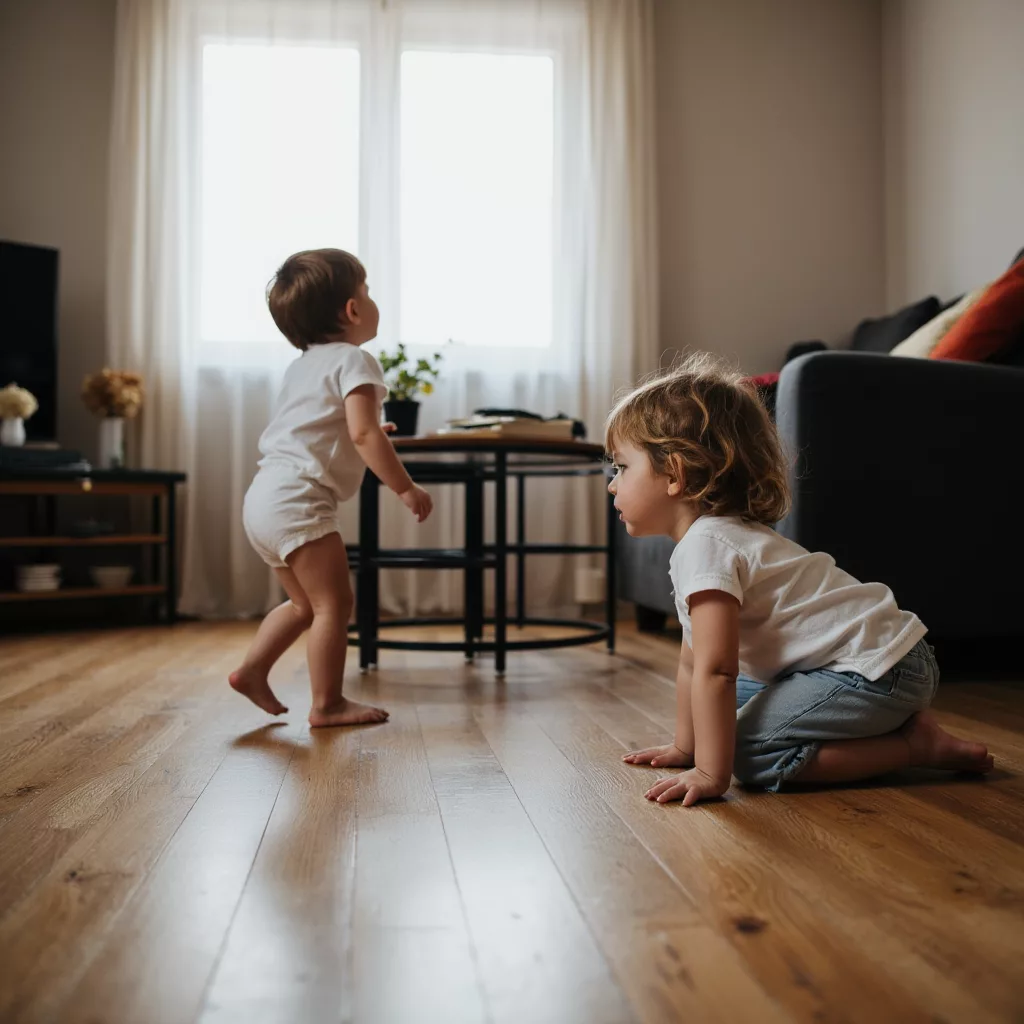
One child makes a “tunnel” on all fours, others crawl under. If solo, crawl under a chair or table.
- Prompt: “The tunnel is open for one minute only!”
9. Starfish Breathing ⭐
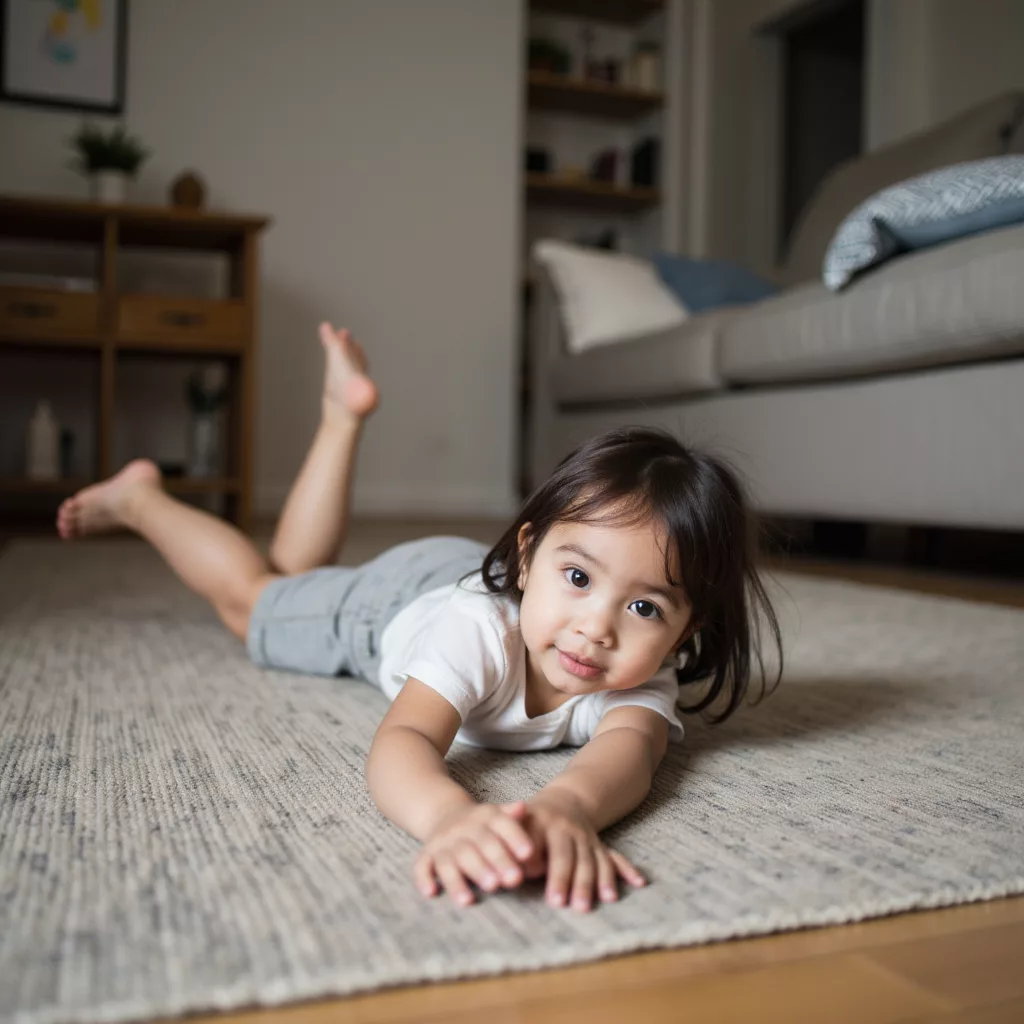
Stretch arms and legs wide, then curl into a ball. Add deep breaths.
- Prompt: “Big starfish… tiny seashell.”
10. Quiet Rocking Boats ⛵

Sit hugging knees, gently rock side to side or back and forth.
- Prompt: “Drift like a boat on the calm sea.”
Tips for Parents
- Keep it playful: Join in rather than instruct. Kids mirror your energy.
- Mix fast + slow: Alternate active and calm moves to help regulate.
- Use cues: A song, timer, or card deck makes routines predictable.
- Short and sweet: 10 minutes is enough. Better to do a little daily than push for long sessions.
Variations for Extra Fun
- Story Mode: Turn moves into an adventure (e.g., “We’re exploring the jungle!”).
- Freeze Dance: Add music to the jumping, marching, or spinning.
- Obstacle Add-ons: Use cushions, blankets, or soft toys to build a mini-course.
- Quiet Challenge: For bedtime, swap active moves with stretches, balance, and breathing only.
Why This Works
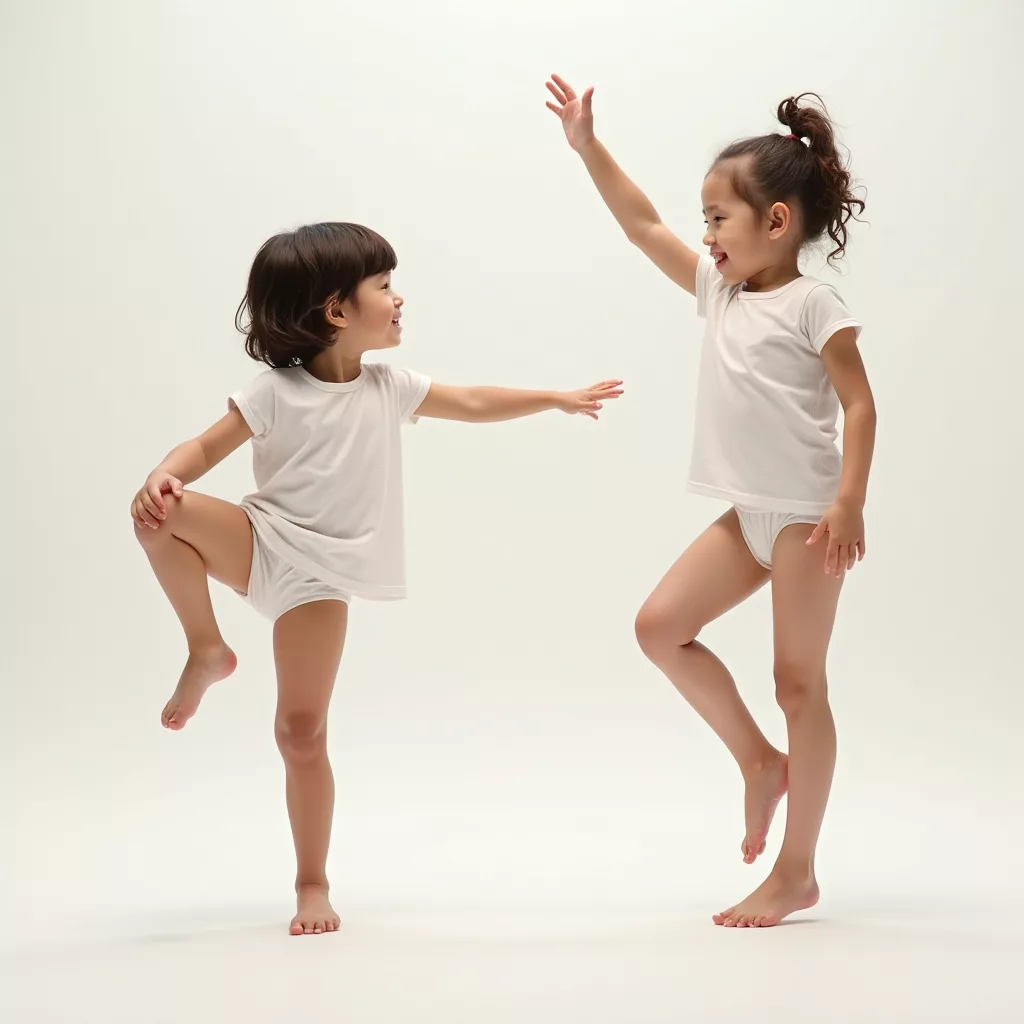
Movement routines give children structure, which reduces overwhelm, and play, which adds joy. You’re essentially creating a “reset button” the whole family can use. And because it’s predictable, children begin to self-initiate: “Let’s do the crab walk before snack!”
Over time, this small practice nurtures bigger skills — resilience, patience, creativity — all wrapped up in giggles and animal impressions.
More Than Exercise: The Hidden Benefits of Movement
When we think of movement, we often imagine exercise, sports, or “getting fit.” But for children, especially in the early years, movement is so much more. It’s their first language for exploring the world.
- Social Skills: Many movement games involve turn-taking, copying, and mirroring. Marching parades or freeze games teach cooperation in ways no lecture ever could.
- Sensory Integration: Spinning, jumping, crawling, and balancing all feed the sensory systems — proprioceptive (where your body is in space), vestibular (balance), and tactile (touch). A well-fed sensory system is calmer and more regulated.
- Family Bonding: When parents join in, children see adults as play partners, not just rule enforcers. A parent crab-walking across the living room is pure gold in a child’s eyes.
These little sessions become memory-making moments, not just regulation tools.
How to Make Movement a Daily Habit
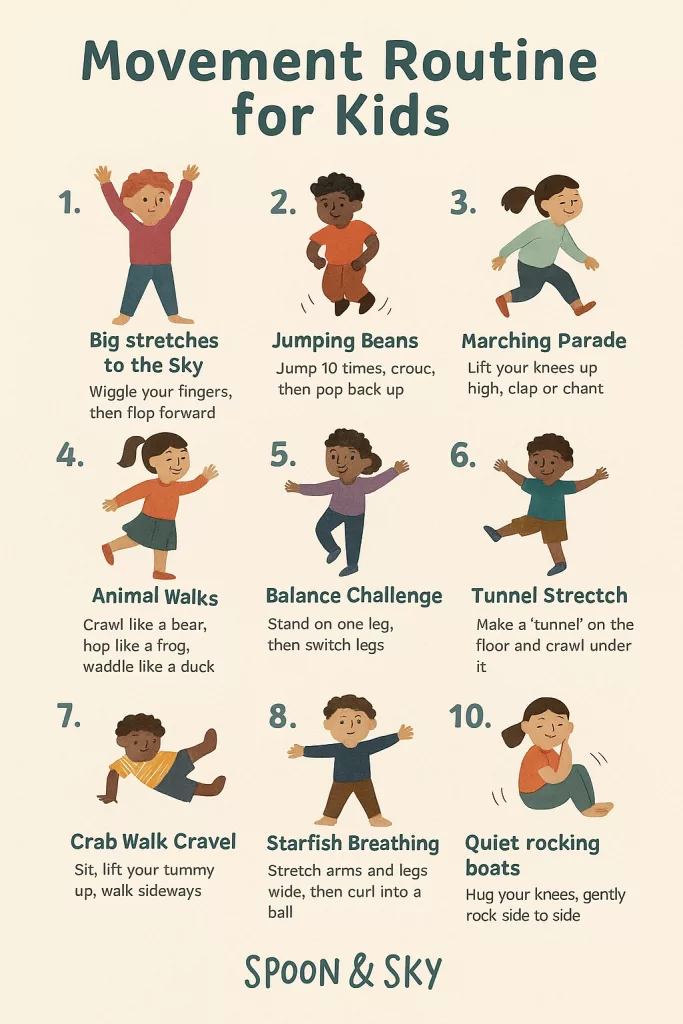
The key isn’t doing everything perfectly, but weaving small chunks of movement into the rhythm of family life. Here’s how:
- Anchor It to Routines: Attach movement to something you already do. For example, “After brushing teeth in the morning, we do 5 minutes of moves.”
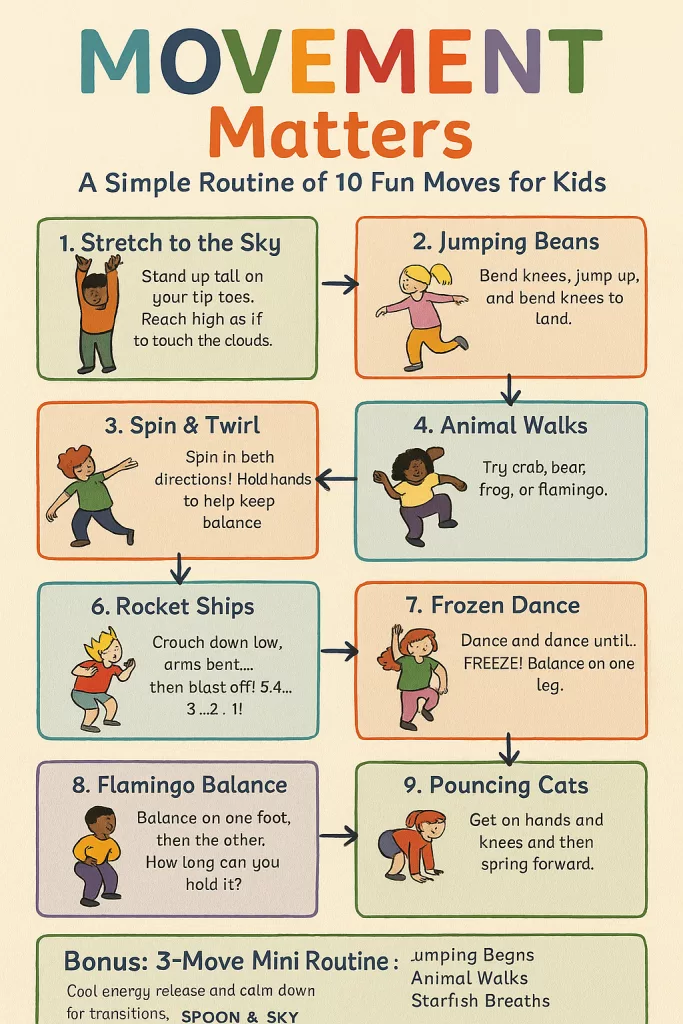
- Keep It Visual: Use a printable chart (like the one we’ve created for you) so kids can “see” what’s next without constant reminders.
- Let Kids Choose: Build autonomy by letting children pick today’s moves from the list.
- Pair It with Music: Upbeat music in the morning, calming instrumental at night — sound helps set the tone.
- Celebrate Consistency, Not Performance: It doesn’t matter if the crab walk is wobbly or the flamingo topples. What matters is showing up together.
Variations for Different Ages
- Toddlers (2–3 years): Keep moves shorter, focus on big body actions like jumping, crawling, and spinning. They thrive on repetition.
- Preschoolers (4–5 years): Add imagination! Pretend to be animals, superheroes, or vehicles.
- School Age (6–8 years): Layer in challenges — time how long they balance, count jumps, or build obstacle courses.
This way, the same 10-move routine grows with your child.
The Magic of Movement Before Transitions
Parents often notice that tricky transitions (like “put your shoes on,” “time to eat,” or “bedtime”) are smoother if children move first. Why? Because the body has discharged energy and the nervous system is calmer.
👉 Try a quick 3-move “mini routine” before transitions:
- 30 seconds of Jumping Beans
- 1 minute of Animal Walks
- 3 deep Starfish Breaths
You’ll be amazed how much easier it is to move from chaos to cooperation.
Bringing It All Together

These 10 fun moves are more than just play. They’re small, joyful tools for teaching kids how to regulate their bodies, release stress, and shift gears. They give parents a ready-made strategy for those “too much energy” moments — without shouting or constant negotiating.
And they remind us that family life doesn’t have to be all instructions and routines. Sometimes, the best thing we can do is wiggle, wobble, and crab-walk alongside our children.
Final Thought
Whether it’s first thing in the morning, after school, or before bed, a short, playful movement routine helps children find balance. And when kids regulate better, parents regulate better too.
So roll up the rug, stretch to the sky, and get ready to march around the living room parade-style. It might just be the reset you all need today.
With wobbly flamingo legs and a child clinging to my back like a crab,
Lily Luz
Spoon & Sky


✨ Get Your Free Printable ✨
Looking for a simple way to bring a little more calm, structure, or creativity into your day?
Enter your email below and get instant access to your free printable from Spoon & Sky — made to spark joy, imagination, and gentle rhythms at home. 🌿
We’ll send your printable and a few kind, helpful ideas to your inbox. No spam — just calm, creative family tools.
Leave a Reply