
Ideas and Prompts for Two
It’s late afternoon, the rain is drumming on the windows, and the energy in the room feels… restless. The toys are scattered, the crayons have rolled under the couch, and your child has just sighed the dreaded words: “I’m bored.”
In these moments, it’s tempting to reach for a screen or scramble to set up a complicated craft. But sometimes, the best solution doesn’t require any tools at all. Enter the magic of pair games — playful activities designed for just two people. Whether it’s two siblings, a child and a parent, or even a grandparent and grandchild, pair games create laughter, connection, and learning without any prep.
The beauty of these games is their simplicity. No props. No clean-up. Just two people, a dash of imagination, and a willingness to be a little silly. And while they might look simple on the surface, pair games pack in some big benefits:
- They build connection — kids learn to tune in to another person’s cues.
- They support communication — listening, responding, and expressing themselves clearly.
- They strengthen emotional regulation — learning patience, taking turns, and handling surprises.
- They encourage movement and creativity — without the need for toys or gadgets.
If you’re parenting children ages 3–8, pair games are one of the best “tools in your pocket” for instant fun and connection. Let’s dive into 10 playful, no-prep partner games you can try today — with expanded ideas, tips, and variations for every age and stage.
1. Mirror, Mirror
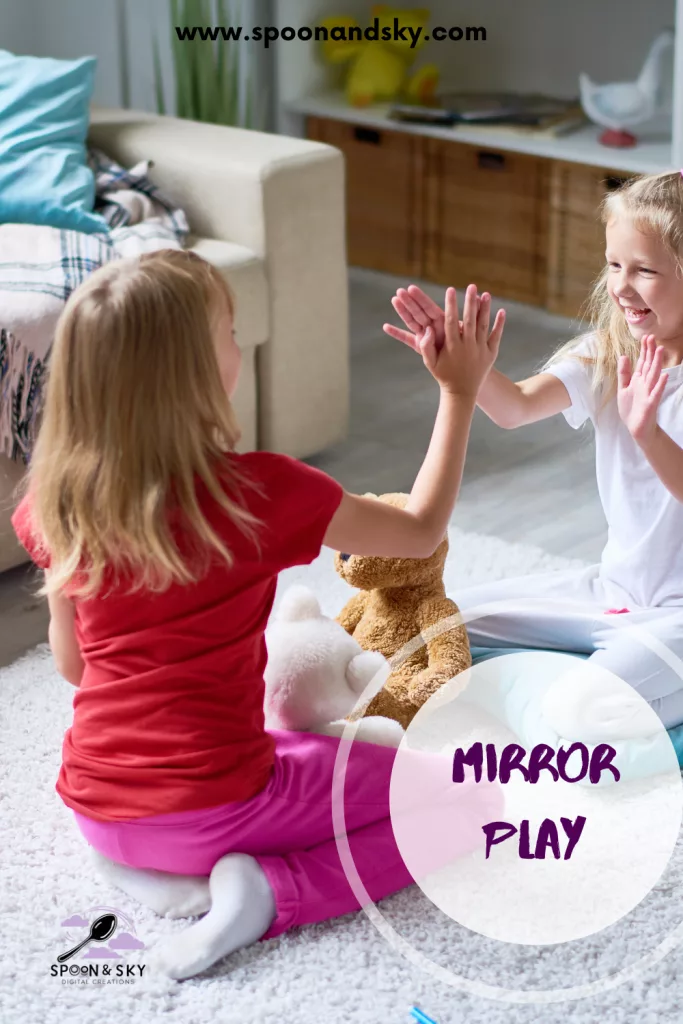
How to Play: One child is the “leader” while the other is the “mirror.” The leader moves slowly — raising arms, tiptoeing, making silly faces — and the mirror copies exactly. After a few minutes, swap roles.
Why Kids Love It: Children adore being the leader and seeing how closely their partner can follow. It’s empowering, silly, and mesmerizing all at once.
Skills Gained: Observation, body awareness, empathy (“what does it feel like to be copied?”).
Parent Tip: Start with slow movements so young kids can succeed. Gradually introduce funny challenges: stick out your tongue, hop on one foot, or pretend you’re moving in slow motion.
Variation for Older Kids: Try “mirror in reverse.” When the leader moves right, the mirror has to move left — a hilarious brain challenge!
2. Copycat Conversations
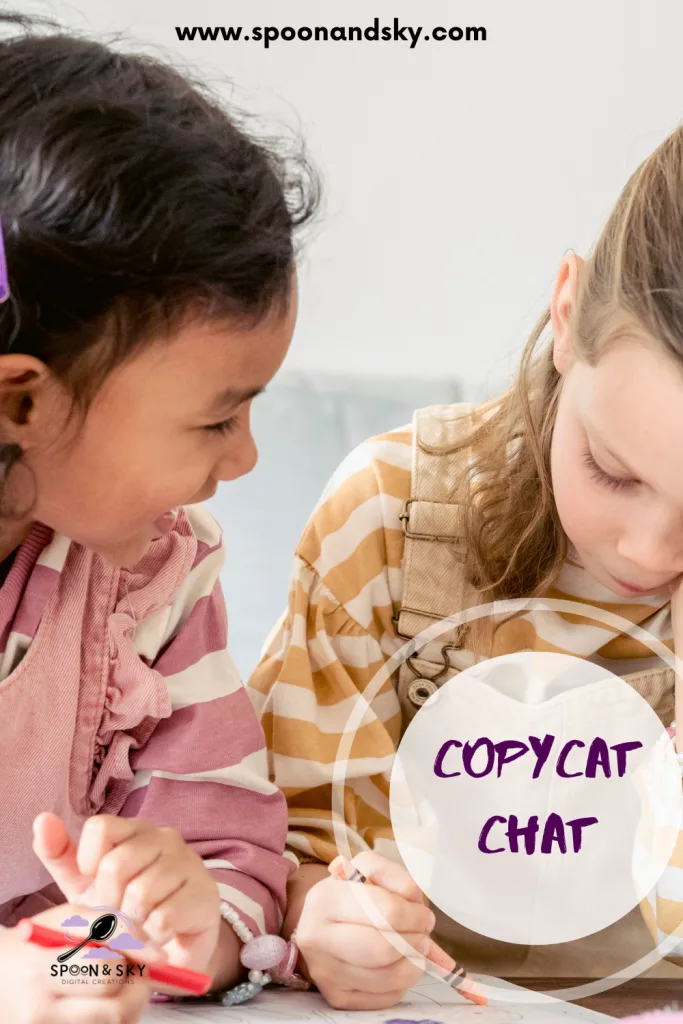
How to Play: One child says a silly word or phrase (“banana shoes!”). The other repeats it in the exact same voice — whisper, robot, sing-song, or growl. Switch back and forth.
Why Kids Love It: Kids love experimenting with silly voices and hearing their partner echo them back. The repetition feels like a secret game only they understand.
Skills Gained: Listening, language development, and flexibility.
Variation: Try it as a “secret code.” Whisper a phrase quietly, and your partner must echo. It’s perfect for quiet spaces like waiting rooms.
Parent Tip: If your child is shy, start with sound effects (“moo,” “beep beep”) before moving into phrases.
3. Shadow Tag (Indoor Edition)
How to Play: One child makes a pose — arms out wide, standing on tiptoes, crouching — and the other has to quickly copy. Keep switching back and forth.
Why Kids Love It: It feels like tag, but without the running. Plus, the poses get sillier the longer you play.
Skills Gained: Quick thinking, motor coordination, focus.
Parent Tip: This game is fantastic while you’re waiting for dinner to cook. Invite your child into the kitchen and pose while they mirror you.
Variation: Play “slow-motion shadow.” The leader moves very slowly, and the follower must match each step — it turns into a kind of living dance.
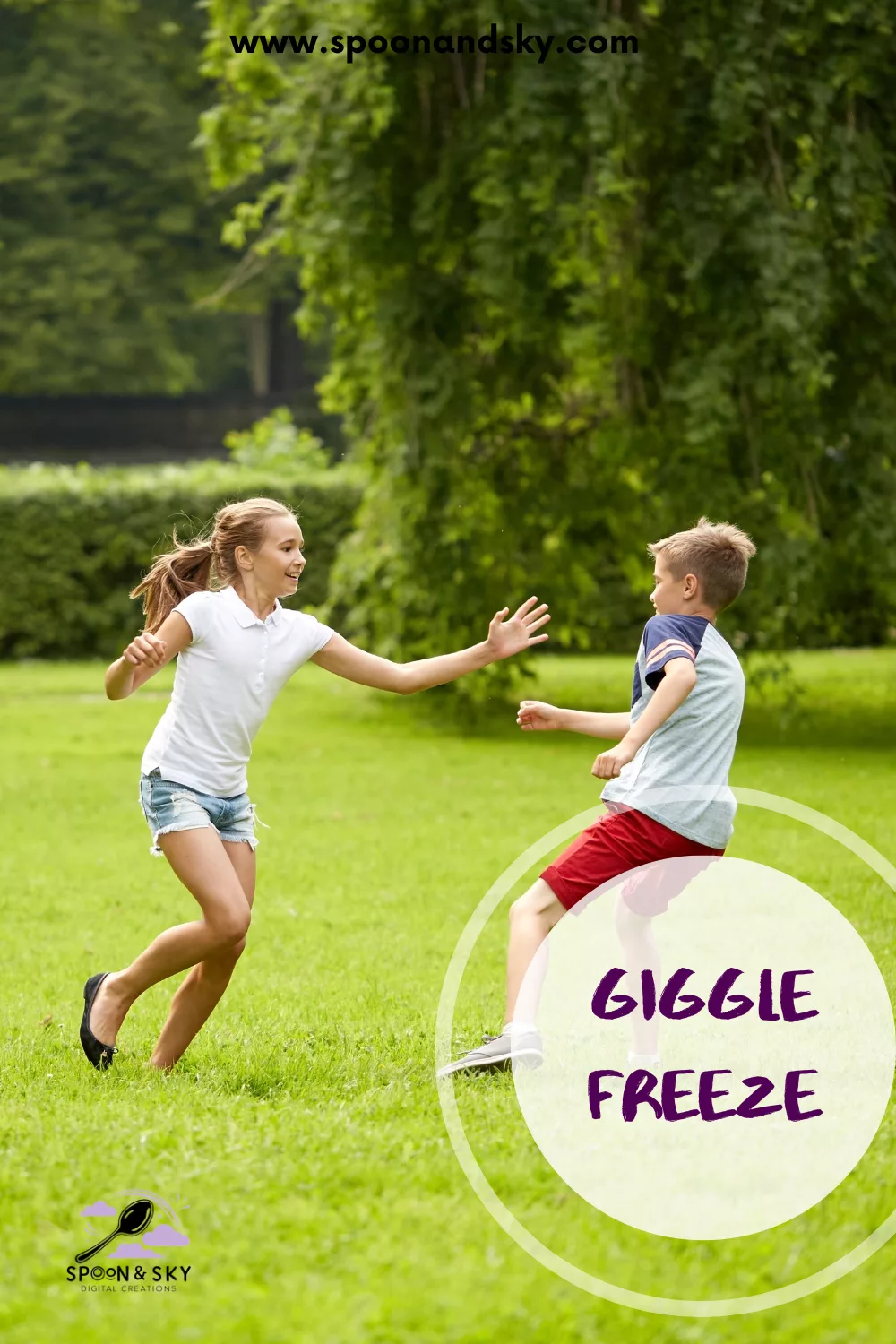
4. Giggle Freeze
How to Play: One player tries to make the other laugh using only faces, gestures, or movements. The “frozen” player must keep a straight face. If they giggle, switch roles.
Why Kids Love It: Children absolutely love testing their willpower — and nothing’s funnier than watching a parent try not to laugh.
Skills Gained: Emotional regulation, patience, and humor.
Variation: Add a “forbidden word.” If anyone says it, both players swap roles instantly.
Parent Tip: For preschoolers, lean into silly faces. For older kids, challenge them to keep a poker face even when you exaggerate.
5. Secret Handshake Challenge

How to Play: Together, invent a unique handshake. Maybe it’s three claps, a fist bump, a spin, and a jump. Try to remember and repeat it three times in a row.
Why Kids Love It: Kids love ownership. Having a “special handshake” with someone makes them feel important and connected.
Skills Gained: Memory, sequencing, teamwork.
Parent Tip: Turn your handshake into a ritual — something you do at bedtime, before school, or whenever you say goodbye.
Variation: Challenge yourselves to create the longest handshake possible. How many moves can you add before forgetting?
6. Animal Pairs
How to Play: One child silently acts out an animal (flapping like a bird, waddling like a penguin). The other guesses. Then switch.
Why Kids Love It: Kids adore pretending to be animals — it’s pure imagination and silliness.
Skills Gained: Imaginative play, non-verbal communication, problem-solving.
Variation: For older kids, try acting out “mystery pairs.” Example: “A giraffe meets a mouse.” Each player picks an animal and acts it out simultaneously. The results are usually hilarious.
Parent Tip: Keep a list of favorite animals handy if your child gets stuck for ideas.
7. Count & Clap
How to Play: Sit facing each other. Clap hands together while counting: “One, two, three…” Then change the pattern — clap once, then clap your own hands, then back together. Add variations as you go.
Why Kids Love It: It feels like a rhythm game — part music, part challenge.
Skills Gained: Rhythm, coordination, math awareness.
Parent Tip: Slow down for preschoolers so they can follow. Older kids love speeding up to see if they can keep the rhythm.
Variation: Instead of numbers, chant the alphabet, animal names, or silly words.
8. Back-to-Back Stand Up
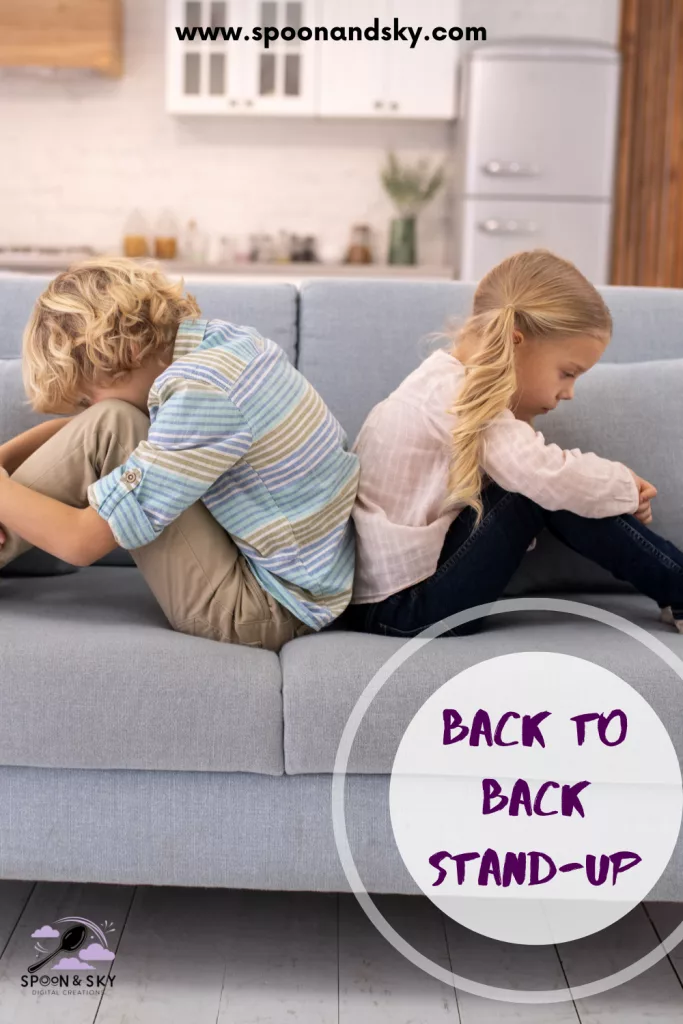
How to Play: Sit back-to-back with your partner, knees bent. Link arms. Try to stand up together without letting go.
Why Kids Love It: It’s silly, physical, and surprisingly tricky. Expect lots of laughter.
Skills Gained: Teamwork, strength, resilience (it often takes a few tries!).
Variation: Sit cross-legged and attempt the same challenge. Or try with three players all linked together!
Parent Tip: This is a great sibling bonding activity — they’ll need to cooperate to succeed.
9. Yes, Let’s!
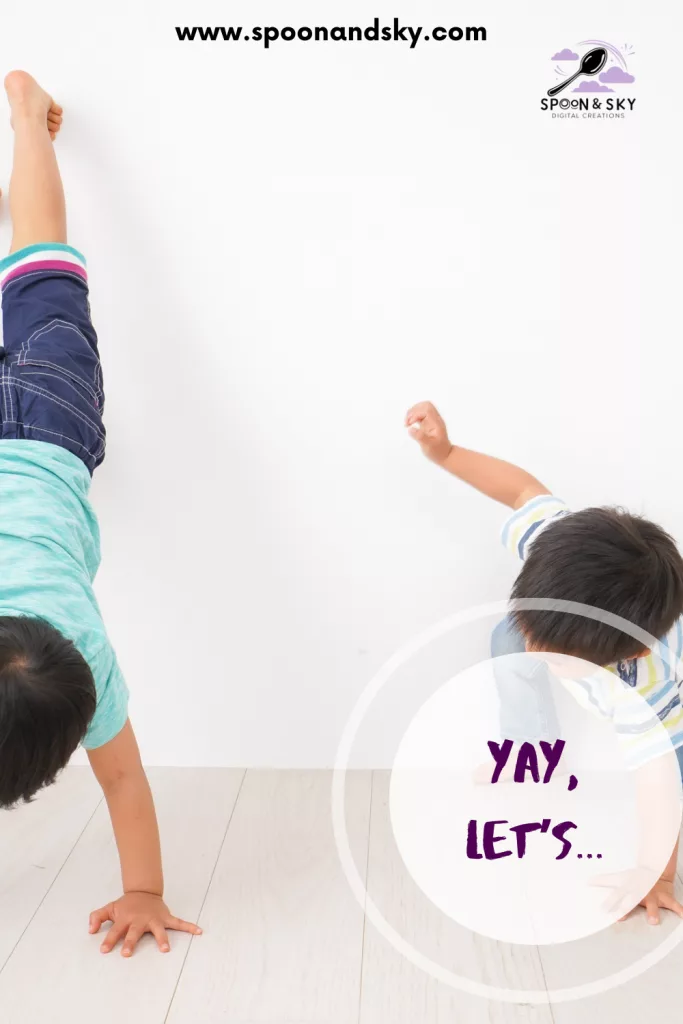
How to Play: One player suggests an action: “Let’s hop like frogs!” Everyone replies: “Yes, let’s!” Then both do it until a new idea is suggested.
Why Kids Love It: Kids love shouting “Yes, let’s!” and seeing their grown-ups do silly things with them.
Skills Gained: Creativity, leadership, positive communication.
Parent Tip: If energy is too high, sneak in calm actions: “Let’s lie down like sleepy cats.”
Variation: Add a timer — each action lasts only 10 seconds before a new one is called.
10. Story Switch
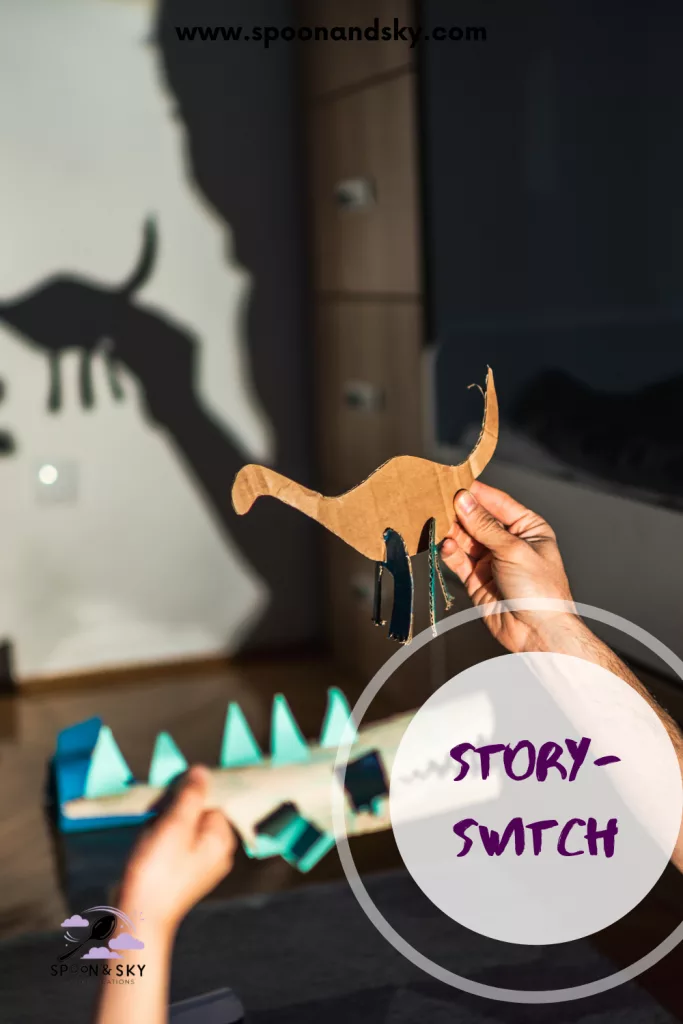
How to Play: One child starts a story: “Once there was a dragon who loved carrots.” The partner adds the next line, and so on.
Why Kids Love It: Kids love creating absurd stories — the sillier, the better.
Skills Gained: Storytelling, listening, imagination, narrative building.
Parent Tip: Encourage younger kids with prompts (“What happened next? Did the dragon meet anyone?”).
Variation: Add a “magic word” that must appear in every turn (like “zebra” or “pancake”).
Why Pair Games Matter
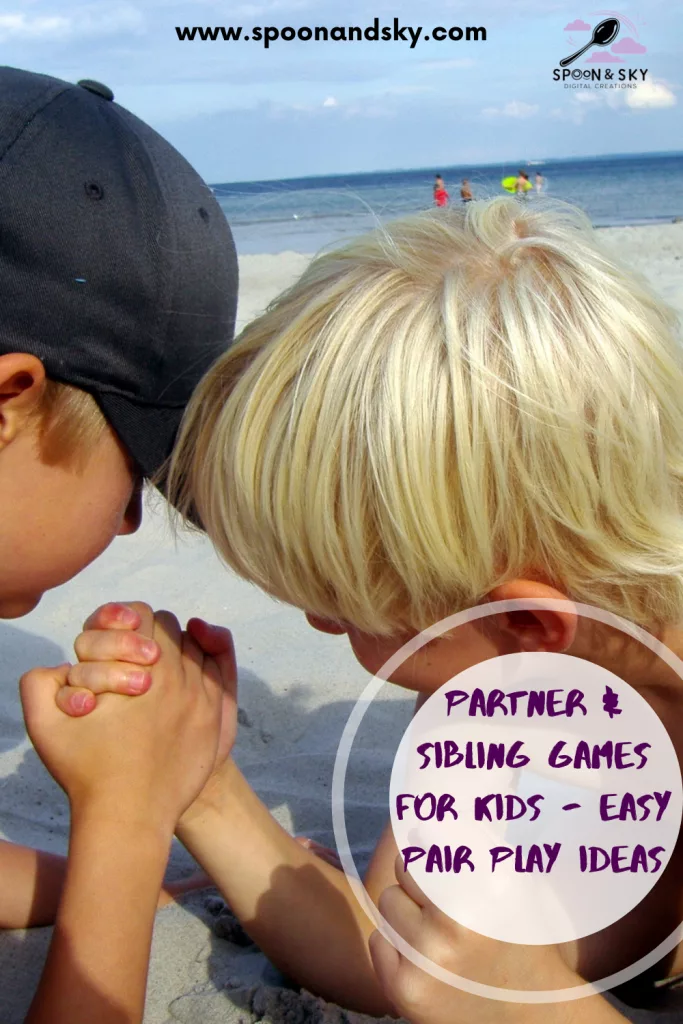
On the surface, pair games look like giggles and wobbly movements. But underneath, they’re powerful tools for child development. Here’s what kids gain:
- Connection: Pair games remind kids that people are more fun than screens.
- Listening Skills: They practice tuning into a partner’s words, sounds, and movements.
- Emotional Growth: Games like “Giggle Freeze” or “Back-to-Back Stand Up” teach patience, resilience, and coping with frustration.
- Creativity: Storytelling, animal acting, and silly suggestions all expand imagination.
- Confidence: Leading a game gives kids a sense of power and pride.
And for parents, pair games are a way to connect without pressure. You don’t need to plan, shop, or clean up. Just lean into the moment.
Reflection Prompts for Parents
When you try these games, pause afterward to reflect:
- Which games sparked the most laughter?
- Did your child prefer leading or following?
- How did you feel joining in — relaxed, silly, connected?
- Which games might become part of your daily routine?
These reflections help you notice what your child needs most — silliness, structure, connection, or simply your presence.

Conclusion: Partners in Play
From secret handshakes to animal charades, pair games transform ordinary moments into magical ones. They’re perfect for filling the in-between spaces of the day — waiting for dinner, winding down before bedtime, or keeping siblings busy on a rainy morning.
The next time your child says, “Play with me!” you won’t need to scramble for supplies. You’ll have a toolkit of no-prep, partner-powered games at your fingertips — proof that the best sparks of joy are the simplest.
So crouch down, lock eyes with your little one, and get ready to laugh. Because sometimes, the greatest gift we can give our children isn’t toys or technology — it’s time, attention, and a playful spirit.
With laughter as the only ingredient,
Lily


✨ Get Your Free Printable ✨
Looking for a simple way to bring a little more calm, structure, or creativity into your day?
Enter your email below and get instant access to your free printable from Spoon & Sky — made to spark joy, imagination, and gentle rhythms at home. 🌿
We’ll send your printable and a few kind, helpful ideas to your inbox. No spam — just calm, creative family tools.
Leave a Reply