
Introduction: The Tight Hug at the Door
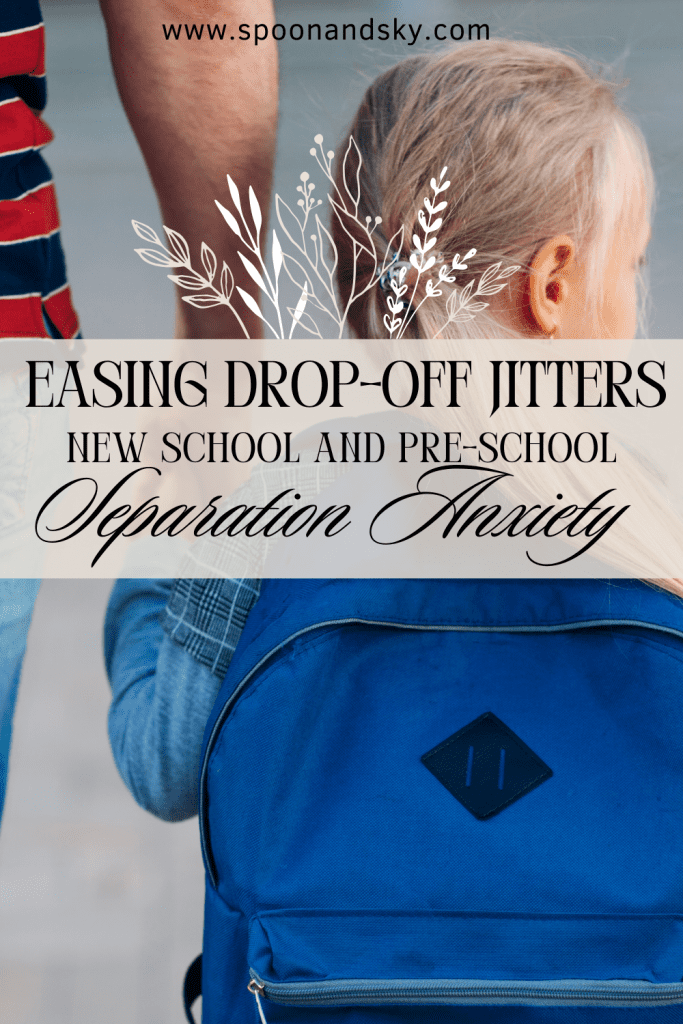
You’re standing by the preschool gate or the school cloakroom. Your child’s small hand is welded to yours, their eyes filling with tears, their little body clinging tighter with every step closer to the classroom door. Your heart aches as you gently pry those fingers away, smile bravely, and whisper, “You’re going to be okay.”
If this scene feels familiar, you’re not alone. Separation anxiety at preschool or school drop-off is one of the most common — and heart-tugging — challenges parents face. And while it can feel overwhelming in the moment, there are gentle, effective ways to help children move from anxious tears to confident smiles.
Today, we’ll explore practical, playful, and deeply empathetic strategies to ease separation anxiety for children ages 3–8, so they can feel safe, confident, and ready to thrive in their new routines.
1. Understanding Separation Anxiety in Kids
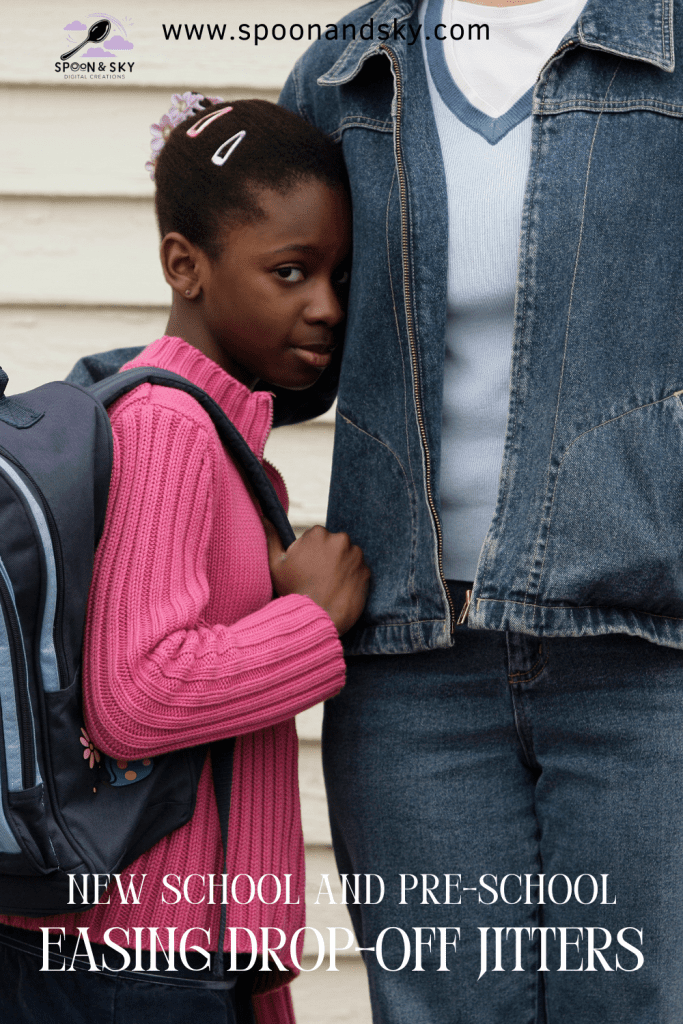
Before diving into solutions, let’s pause for empathy.
Separation anxiety is a normal developmental stage, not a sign of weakness in you or your child. Young children thrive on predictability and attachment — so new environments, unfamiliar faces, and long stretches away from parents can stir up fear.
For preschoolers (3–5), it often shows up as tears, clinginess, or morning resistance. For early school-age kids (6–8), it may look like stomach aches, reluctance to get ready, or sudden “I don’t want to go” refusals.
The good news? With patience, consistency, and a few gentle strategies, children can learn that school isn’t a scary place but a safe, joyful one where they can flourish.
2. Build Predictable Routines: Your Anchor in Stormy Seas
Children crave security, and routines act like anchors when everything else feels uncertain.
Morning Rituals:
- Keep mornings calm, unhurried, and predictable. A “morning chart” with pictures (toothbrush, breakfast, shoes, bag) gives kids a visual map of what to expect.
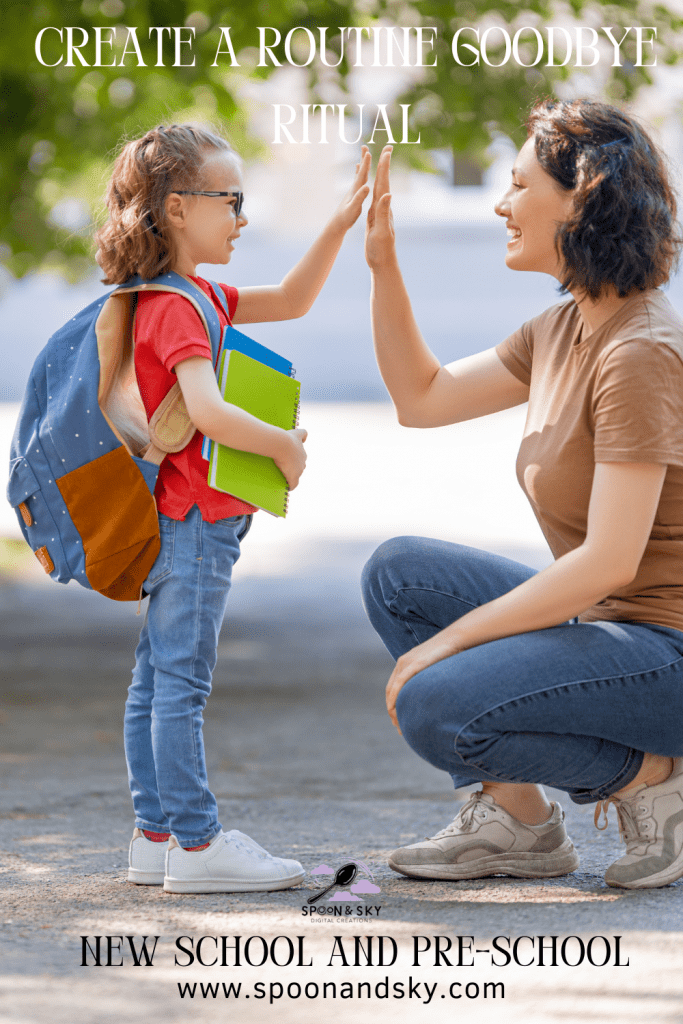
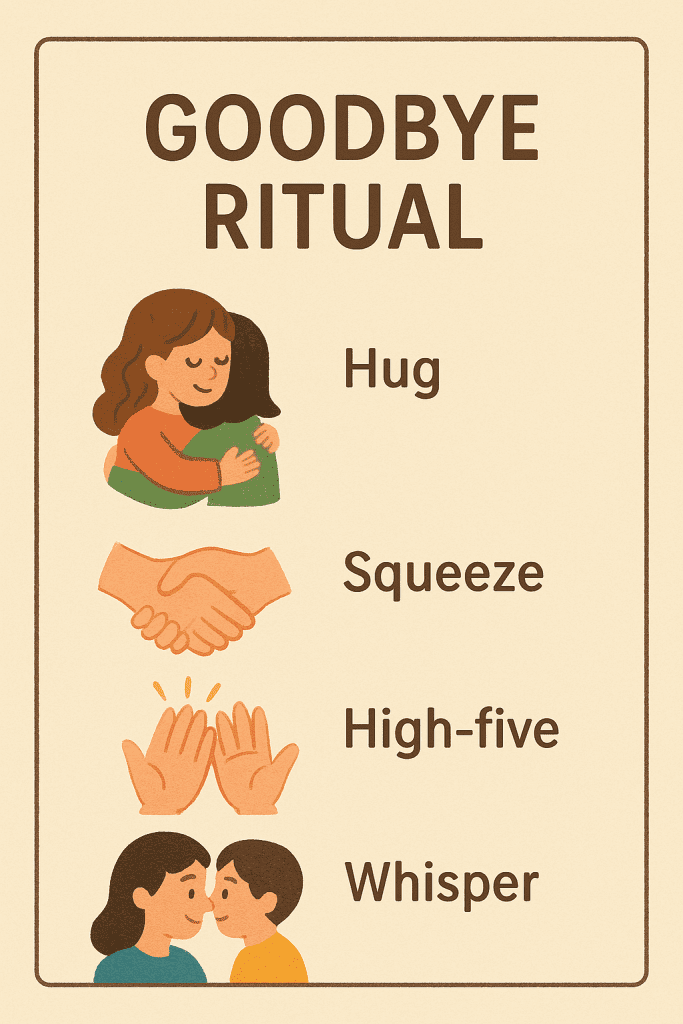
- Create a goodbye ritual: maybe a hug-squeeze-high-five, a silly handshake, or a whispered affirmation like “You’re brave, you’re loved, you’re ready.”
Practice Runs:
- Visit the school or preschool before term starts — walk the hallways, peek at the playground, wave at the classroom door. Even short “practice goodbyes” make the real thing easier.
- Do mini drop-offs with trusted caregivers, playdates, or short stays to help children practice being apart.
Separation Object:
- Let your child tuck a small comfort item into their pocket — a heart-shaped stone, a family photo, or even a spritz of your perfume on their sleeve. These act as tiny “connection bridges” when apart.
3. Gentle Goodbyes: Why Quick is Kinder
One of the hardest truths for parents: lingering often makes separation harder.
Children sense hesitation. If goodbyes stretch too long, anxiety grows like a shadow. Instead:
- Be warm, firm, and consistent.
- Keep the goodbye short but affectionate: a hug, your ritual, and a confident “See you soon!”
- Resist the temptation to “sneak out.” Trust builds when children know you leave, and return, as promised.
A brave goodbye says, “I trust you, I trust your teacher, and I know you can do this.”
4. Play Away the Worries
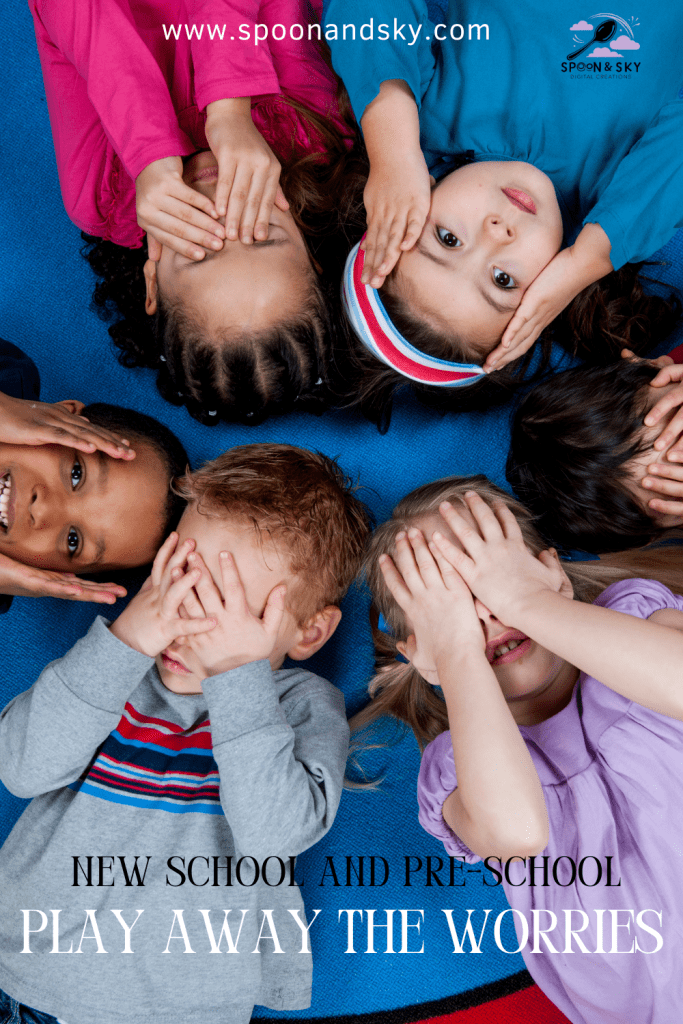
Play is a child’s first language — and one of the most powerful tools to ease anxiety.
Pretend Play:
- Role-play school drop-offs with dolls, stuffed animals, or even parents taking turns as “teacher.” Acting out the routine helps kids rehearse feelings safely.
Bravery Games:
- Create a “bravery ladder”: start with easy steps (wave from the door), build up to harder ones (walk to class alone). Celebrate each small success.
- Use “superhero play”: “Let’s pack your invisible bravery cape into your backpack!”
Storytelling:
- Read picture books about school transitions (The Kissing Hand, Llama Llama Misses Mama, I Am Too Absolutely Small for School). Stories give children a safe way to process big feelings.
- Make up your own bedtime tales about a character who feels nervous but discovers joy and bravery at school.
5. Preschoolers vs. Early School-Age Kids: Age-Specific Tips
While the roots of separation anxiety are similar, the strategies shift slightly as kids grow.
Preschoolers (3–5):
- Keep language simple: “I’ll come back after snack time.”
- Use visuals: a picture schedule showing the day helps them know what comes after you leave.
- Offer short separations first: practice with grandparents or short classes before long school days.
School-Age Kids (6–8):
- Involve them in solutions: ask, “What might help you feel braver tomorrow?”
- Focus on strengths: remind them of past brave moments (“Remember when you stayed at your cousin’s sleepover?”).
- Encourage connection with peers: arranging playdates or meeting a classmate at the school gate can soften the morning transition.
6. Partnering with Teachers: A Shared Circle of Care
Teachers are allies in easing the school transition. Most have seen separation anxiety many times and can offer both reassurance and structure.
- Introduce yourself early: let the teacher know your child’s comfort items, rituals, or phrases that work.
- Ask for updates: a quick message mid-morning can reassure you that your child has settled.
- Work as a team: if drop-offs remain tough, brainstorm small adjustments — like greeting a special helper or joining an activity straight away.
When children see trust between parent and teacher, they feel safer bridging the space between home and school.
7. Parent Tools: Holding Their Worries Without Carrying Them

As parents, we feel their fears in our own bodies. But part of easing separation anxiety is modeling calm.
Practical Tips for You:
- Keep your body language steady: smile, make eye contact, stand tall.
- Use affirming language: “I know goodbyes feel hard. I also know you’re brave and your teacher will help you.”
- Team up with teachers: share what soothes your child (songs, hand squeezes, a photo in their pocket).
Self-Care Reminder:
It’s okay if you cry in the car after drop-off. Loving deeply is what makes you such a steady anchor for your child.
8. Reflection Prompts for Parents
Sometimes, your calm presence begins with your own reflection. Try these prompts:
- What goodbye ritual feels natural and sustainable for me and my child?
- How do I show confidence in my child’s ability to handle school?
- Where can I build in self-care after hard drop-offs so I don’t carry that stress all day?
Journaling or simply pausing with these questions can ground you during tough mornings.
9. Signs It’s More Than Typical Jitters
Most separation anxiety fades after the first days or weeks of school. But if your child’s distress is extreme (panic attacks, refusing school for weeks, ongoing physical symptoms), it may be worth talking with teachers, paediatricians, or child therapists.
Seeking extra support is not a failure — it’s a brave, loving step to help your child thrive.
10. Why These Gentle Steps Work
Separation anxiety isn’t about “spoiling” or “coddling.” It’s about supporting a child’s nervous system as it learns to trust new environments.
Predictable routines, loving goodbyes, and playful confidence-building give children the tools they need to:
- Develop resilience and independence
- Strengthen trust in caregivers and teachers
- Build confidence for future transitions — from school plays to sleepovers to big life changes
Conclusion: Bravery, One Step at a Time

Watching your child cry at the classroom door can make you feel powerless. But remember — every brave goodbye plants seeds of confidence. With gentle rituals, playful practice, and your steady presence, your child learns the most important lesson of all: They are safe, they are capable, and they can do hard things.
So tomorrow, when you stand at the school gate, take a deep breath. Trust the ritual, trust your child, and trust yourself. These early tearful mornings will someday become sweet stories of resilience.
With tiny handprints still lingering on my sleeve, and hope for braver goodbyes,
Lily.


✨ Get Your Free Printable ✨
Looking for a simple way to bring a little more calm, structure, or creativity into your day?
Enter your email below and get instant access to your free printable from Spoon & Sky — made to spark joy, imagination, and gentle rhythms at home. 🌿
We’ll send your printable and a few kind, helpful ideas to your inbox. No spam — just calm, creative family tools.
Leave a Reply