
There’s a certain magic to watching a child sink into a bubble bath, cheeks flushed, eyes bright, tiny fingers turning soap suds into beards and crowns. It’s play, yes, but it’s also something more. These moments are little lessons in rest, in comfort, in care.
We often think of self-care as something adults discover after stress and burnout. But what if we gave children those tools early? What if self-care were as natural to them as brushing their teeth or tying their shoes?
This post explores playful, simple ways to introduce children to the rituals of self-care—not as chores, but as joyful anchors. When kids learn to pause, soothe themselves, and connect with their feelings, they grow not just calmer in the moment, but braver in the world.
Why Self-Care Matters for Kids

Children live in a whirlwind of discovery—new skills, new social dynamics, new feelings. That’s a lot of big work for small bodies. Teaching self-care provides:
- Calm in chaos: Kids learn how to soothe themselves when emotions run high.
- Resilience: Small rituals become tools they can carry into school days, friendships, and challenges.
- Joyful grounding: Self-care isn’t just about managing stress—it’s about noticing delight.
- Emotional vocabulary: Rituals help children name, process, and regulate feelings.
- Bonding: When families model self-care together, children feel seen and supported.
Self-care for kids isn’t about bubble baths in spa robes. It’s about tiny habits, woven into the everyday, that remind them they’re cared for—and capable of caring for themselves.
Before You Begin: Shaping Self-Care for Children
A few guiding principles make these practices successful:
- Keep it playful: Self-care should feel like fun, not a prescription.
- Offer choices: Kids thrive when they feel ownership. Present 2–3 options (“Do you want to draw or do stretches?”).
- Anchor in routine: Attach self-care to predictable times—bedtime, after school, or pre-dinner reset.
- Model it yourself: Kids copy what they see. Light a candle, take deep breaths, or journal alongside them.
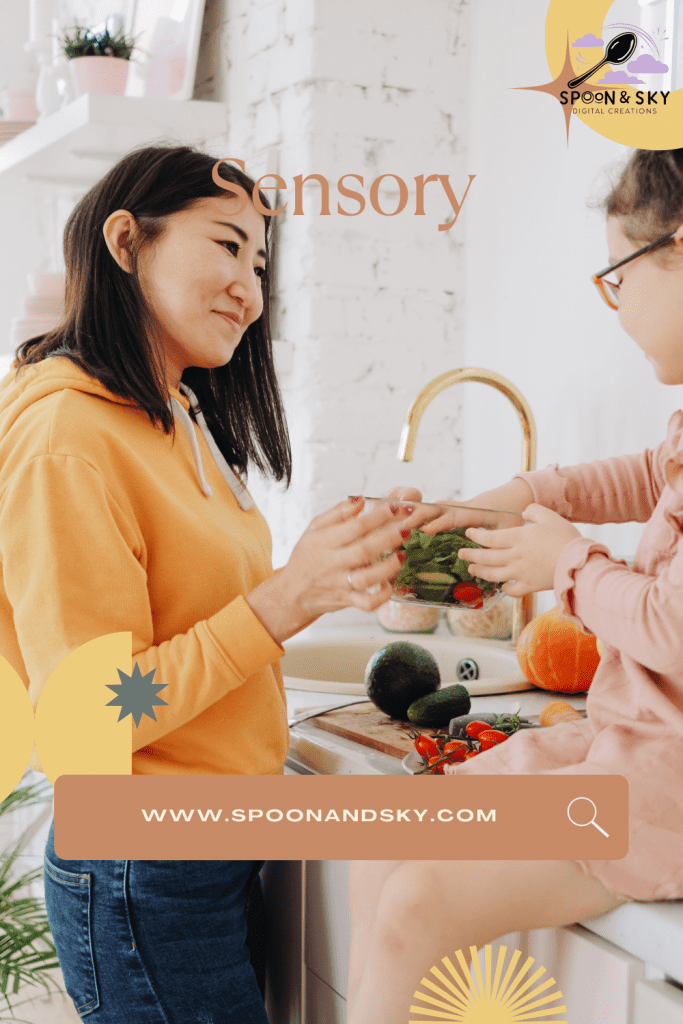
- Make it sensory: Touch, smell, sound, and sight deepen the experience.
Playful Self-Care Rituals by Age

🌱 Toddlers (1–3 years)
At this age, self-care means gentle sensory play and emotional safety.
Bubble Baths
- Let toddlers scoop bubbles into cups, make “bubble hats,” and pour water gently.
- Add lavender drops (diluted) for calming scent.
- End with a soft towel hug.
Cozy Corners
- Create a small nook with a blanket, a cushion, and a favourite soft toy.
- Call it their “calm cave.”
- Teach: “When you feel big feelings, your calm cave can help.”
Simple Breathing Games
- Blow bubbles outside, encouraging slow breaths.
- Pretend to blow up a balloon with deep belly breaths.
🎨 Pre-school (3–5 years)
Pre-schoolers can begin naming feelings and practicing short, playful rituals.
Feelings Faces Drawing
- Provide paper and crayons.
- Prompt: “Draw your happy face, your sad face, your mad face.”
- Discuss together: “What helps your mad face feel better?”
Mini Yoga Poses
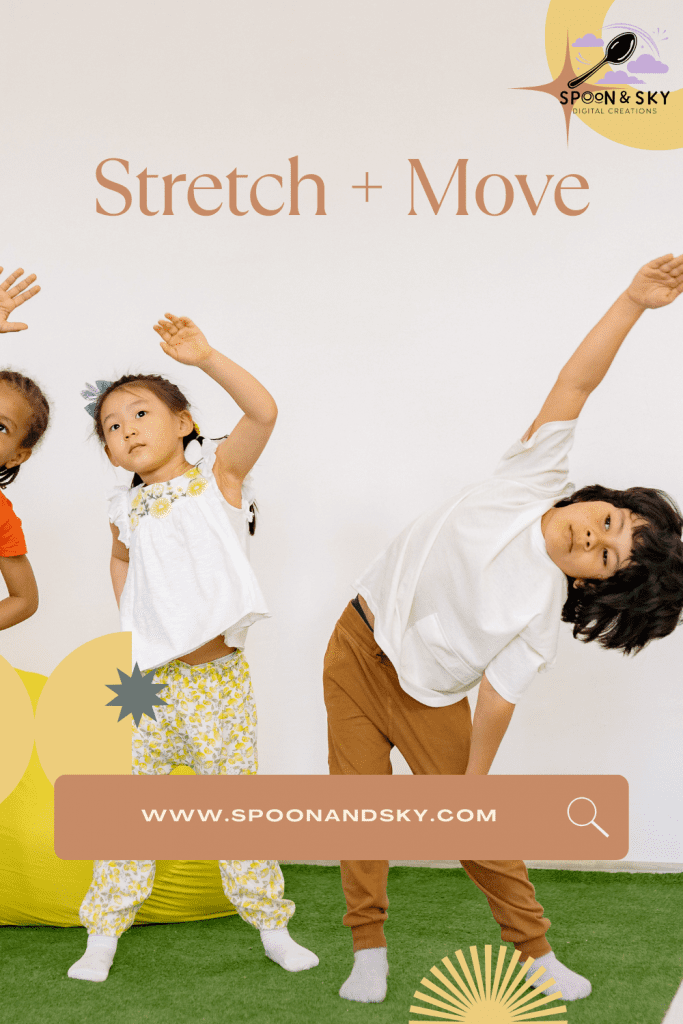
- Simple poses: tree, cat, downward dog.
- Use storytelling: “Stretch like a tall giraffe. Curl like a sleepy mouse.”
Magic Lotion Rub
- Offer a dab of unscented lotion.
- Guide them to rub it into their hands slowly.
- Say: “This is your brave lotion. When you rub it in, it helps your heart feel strong.”
🧩 Early Primary (5–8 years)
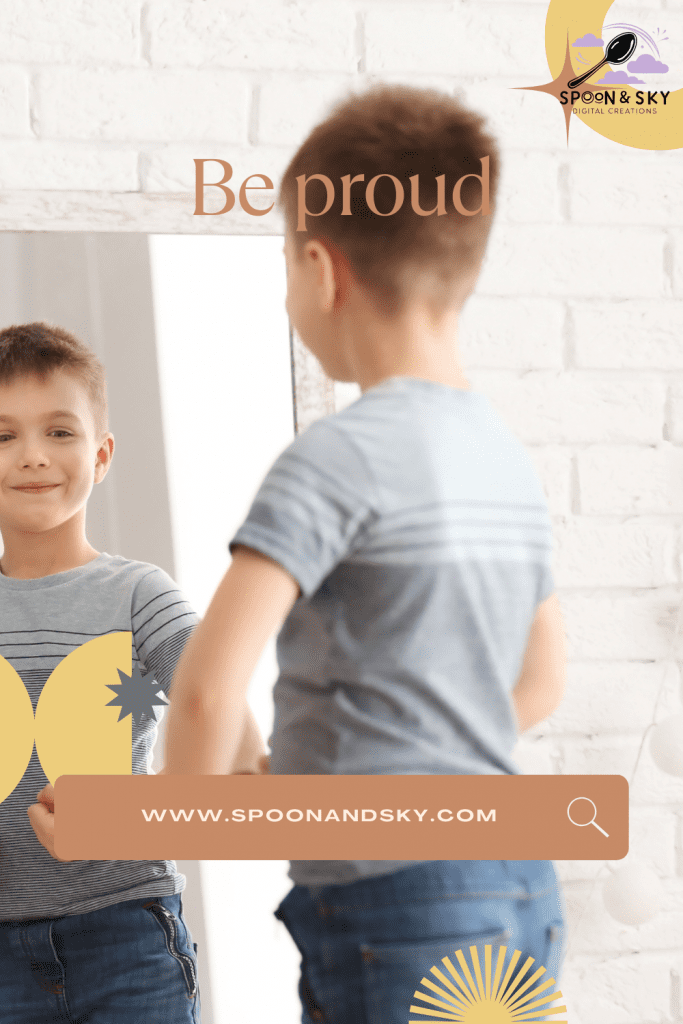
This age group is ready for longer rituals and reflection.
Gratitude Jars
- Place a jar with colourful slips nearby.
- Each evening, write or draw one thing they loved that day.
- Collect joys to read back on tough days.
Guided Story Time
- Play a calm audio story or meditation.
- Afterward, ask: “What picture did you see in your mind?”
Two-Minute Resets
- Step 1: Pause and close eyes.
- Step 2: Place hand on heart.
- Step 3: Breathe in for 3, out for 5.
- Step 4: Whisper: “I can start again.”
🌟 Older Kids (8+)
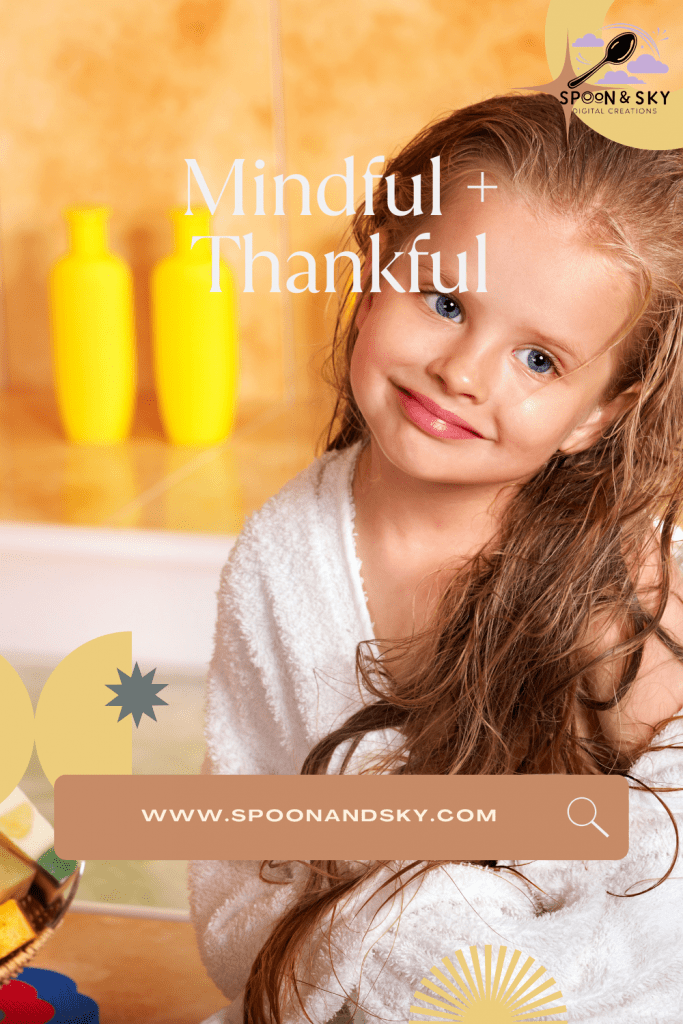
Older children can manage self-care independently and personalize routines.
Journal Prompts
- “Today I felt proud when…”
- “One small thing I want to try tomorrow is…”
- Encourage doodles, stickers, and freedom.
Movement Breaks
- Jump rope, hula hoop, dance to one song.
- Frame as energy resets: “Let’s shake out the school day.”
DIY Spa Nights
- Face masks (banana + honey).
- Foot soak in warm water with Epsom salt.
- Candlelit reading corner.
- Invite them to set the scene themselves.
Everyday Self-Care Anchors
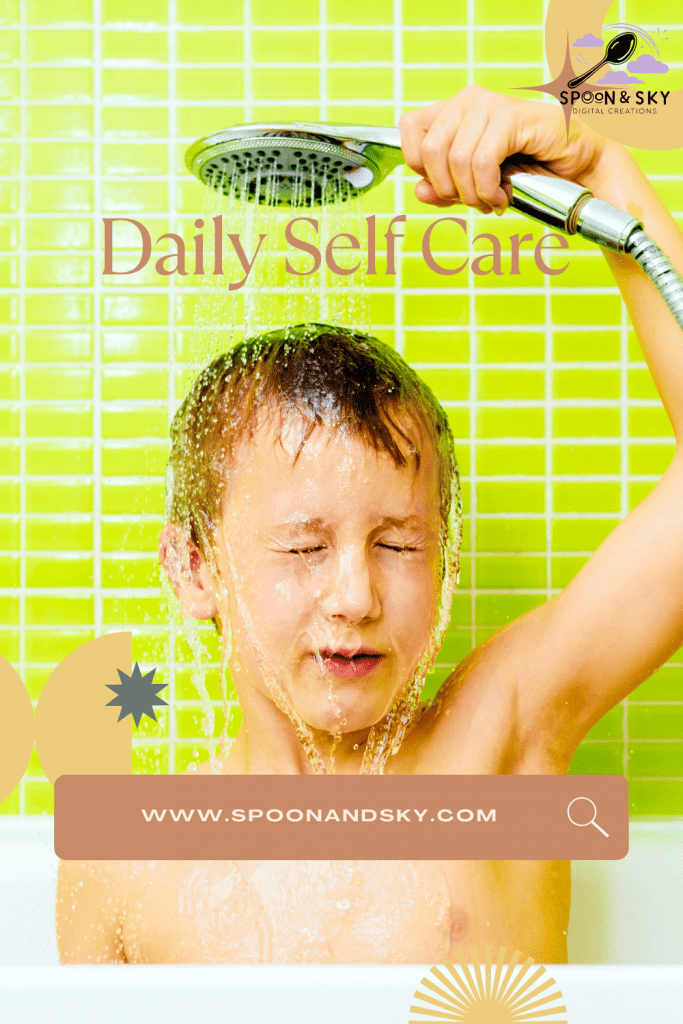
Here are easy ways to weave self-care into family rhythm:
- Morning Stretch Ritual: One stretch, one big breath before breakfast.
- After-School Pause: Snack + 5 minutes of drawing before homework.
- Evening Bath & Story: Soothe, rinse away the day, end with laughter.
- Weekly Reset: Sunday evening gratitude list as a family.
Self-Care Through the Seasons
Changing seasons invite new rituals:
- Spring: Collect wildflowers, make “joy jars” with petals.
- Summer: Barefoot walks in grass, cooling smoothies, star-gazing.
- Autumn: Leaf rubbings, cozy reading by lamplight.
- Winter: Warm baths, candle rituals, cocoa + storytelling circles.
Play Prompts While Caring
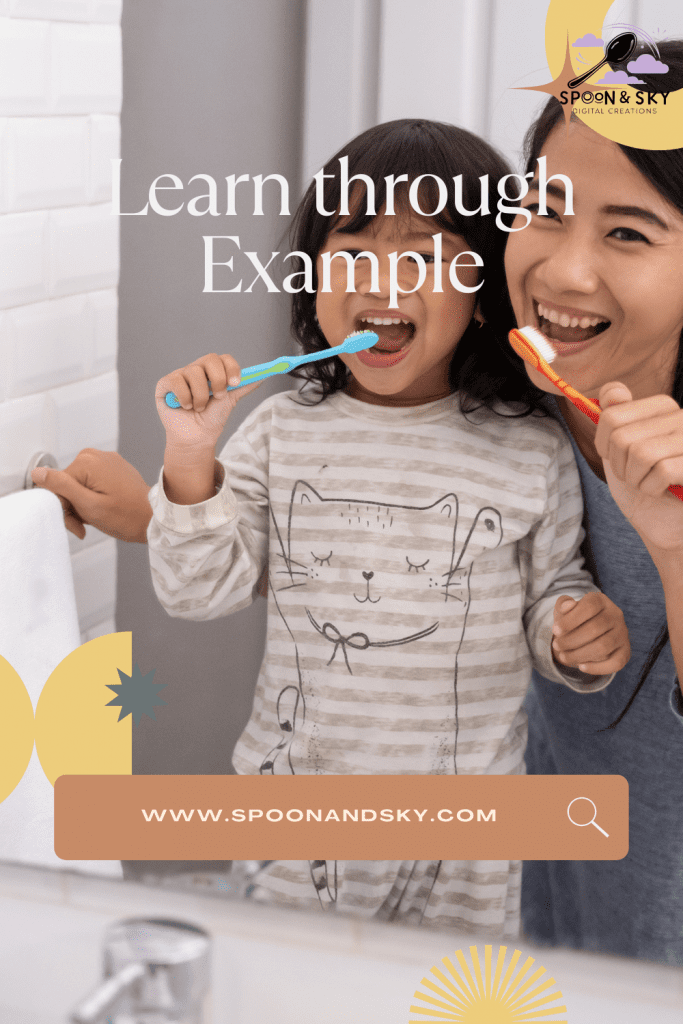
Self-care is lighter with imagination. Try prompts like:
- “If your bath bubbles could talk, what would they say?”
- “Pretend this lotion is a magic shield—what does it protect you from?”
- “If your calm breath turned into a colour, what colour would it be?”
Safety Notes
- Always supervise baths and candles.
- Keep lotions and oils age-appropriate and skin-safe.
- Self-care should never replace medical or therapeutic support if needed.
Building Brave Hearts
Self-care is about more than calm—it’s about courage. When children learn they have tools to handle their feelings, they discover resilience. A child who knows how to pause, breathe, or comfort themselves learns bravery in everyday life.
Downloadable Freebie
I’ve created a Printable Self-Care Cards Set—gentle visual reminders children can choose from when they need a reset. Cards include prompts like “Take three slow breaths” or “Draw your feelings”. Print them, tuck them in a jar, and let your child pick their ritual when needed.

Final Encouragement
Self-care for kids doesn’t need to be elaborate. It’s in the bubbles on their hands, the small candle on the table, the journal by the bed. It’s in noticing, pausing, and returning to joy. When you offer these rituals, you’re not just calming today’s tantrum or bedtime worries—you’re gifting them lifelong tools for resilience and delight.
With bubbles in the bath, soft blankets on the bed, and brave hearts growing every day,
Lily Luz
Spoon & Sky


✨ Get Your Free Printable ✨
Looking for a simple way to bring a little more calm, structure, or creativity into your day?
Enter your email below and get instant access to your free printable from Spoon & Sky — made to spark joy, imagination, and gentle rhythms at home. 🌿
We’ll send your printable and a few kind, helpful ideas to your inbox. No spam — just calm, creative family tools.
Leave a Reply