


Cooking with children is one of those ideas that feels golden in theory and sometimes sticky in practice. We imagine cheerful little hands sprinkling flour, laughter echoing in the kitchen, and pride beaming from tiny faces as they present their creations.
And then there’s the other version: flour clouds drifting to the floor, sugar mysteriously spread across the counter, and you—already behind schedule—thinking, Was this a mistake?
Here’s the truth: kids can absolutely cook, and with the right approach, the kitchen becomes a place of joy, connection, and even calm. The key is choosing recipes and methods that match their developmental stage, setting up a safe environment, and remembering that “perfect” results aren’t the goal. The goal is the whisking, the stirring, and yes, the giggling.
This post gathers simple, genuinely kid-friendly recipes, practical prep tips, and ideas for turning kitchen time into memory-making time. True to Spoon & Sky style, it’s about joyful structure: giving children enough scaffolding to succeed, with plenty of space for creativity.
Why Cooking with Kids Matters
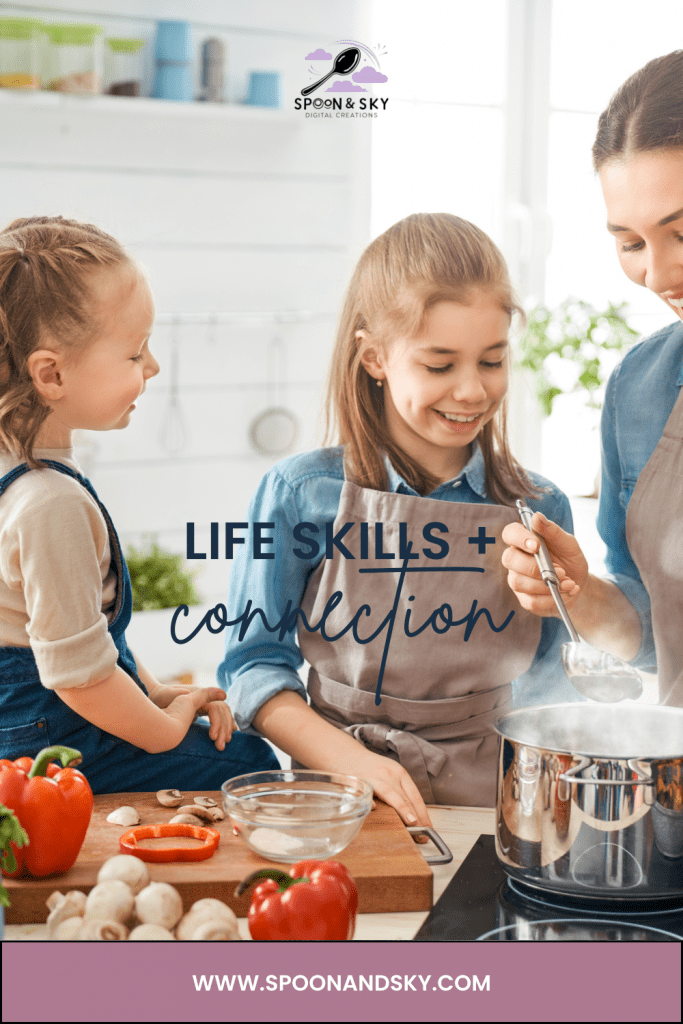
Cooking isn’t just about food—it’s about life skills, bonding, and discovery. When kids help in the kitchen, they:
- Build independence: Cracking an egg or spreading butter is a huge confidence boost.
- Learn math and science: Measuring, pouring, and watching batter rise are lessons in disguise.
- Practice patience and focus: Recipes unfold step by step, teaching sequencing and attention.
- Explore sensory play: The textures of dough, the smell of herbs, the sizzle of butter—cooking engages every sense.
- Bond with family: Sharing tasks and tasting together creates warm, sticky-fingered memories.
Think of your kitchen as both a classroom and a playground—one where flour on the floor is part of the fun.
Before You Start: Setting Up for Success
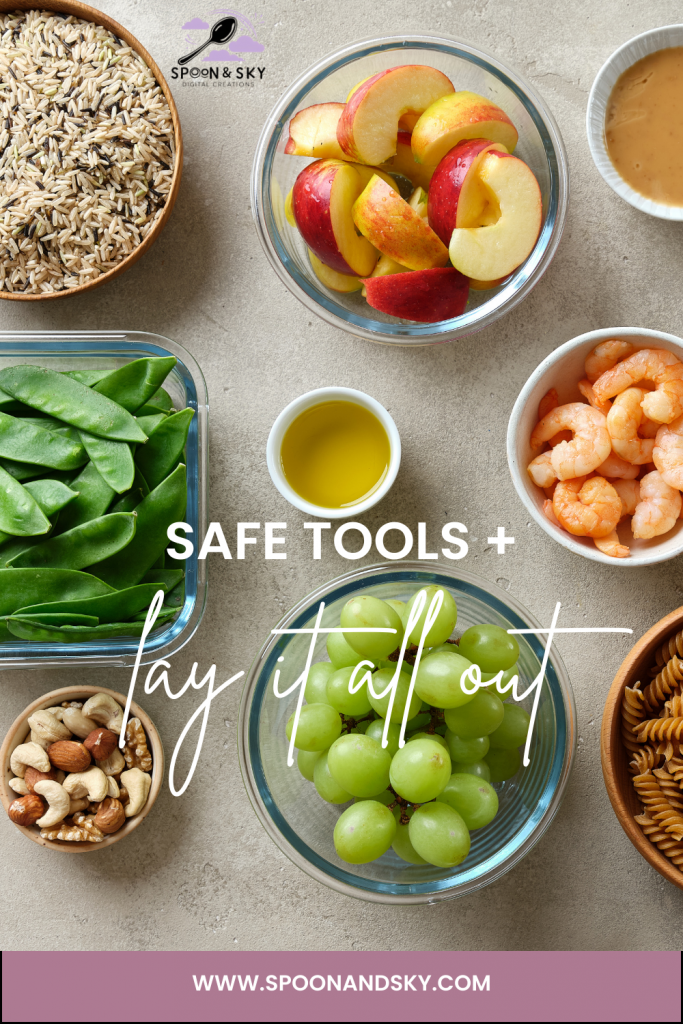
Cooking with kids flows better when you prepare ahead. Here’s your flexible kitchen checklist:
- Step-stools or safe stands: Bring children up to counter height comfortably.
- Child-safe utensils: Blunt knives, silicone whisks, small rolling pins, and plastic measuring cups.
- Aprons (or old shirts): The less you worry about stains, the more everyone enjoys it.
- Pre-measured bowls: For younger children, portion ingredients ahead to reduce spills.
- Small tasks at eye level: Spread jam, sprinkle cheese, tear lettuce—success breeds enthusiasm.
- Mindset reminder: The “perfect” pie isn’t the point. Smiles and crumbs are the measure of success.
Simple Recipes Kids Can Truly Make
The recipes below are genuinely achievable for children, grouped by age range with notes for parent involvement. Each one is flexible enough for creativity—and forgiving enough for wobbly measuring.
🍼 Toddlers (Ages 2–3)
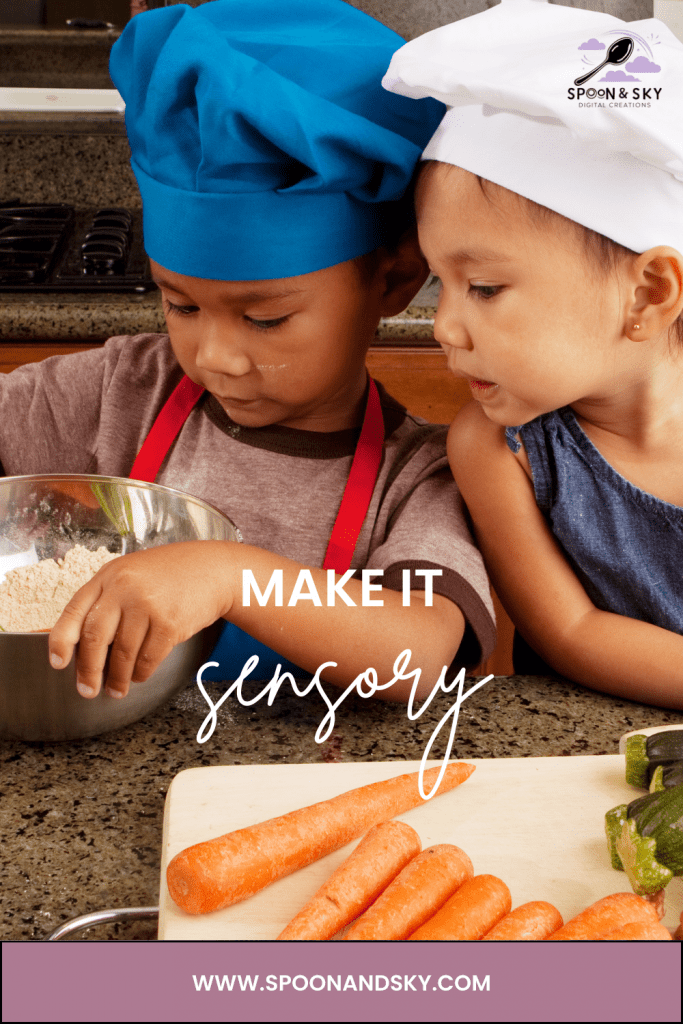
Toddlers can’t do much independently in the kitchen yet, but they love to participate. Keep it tactile, short, and safe.
1. Rainbow Fruit Cups
- Provide bowls of pre-chopped soft fruit (banana slices, blueberries, peeled mandarin segments).
- Toddlers layer fruit into a clear cup, naming colours as they go.
- Parent tip: Let them add a dollop of yogurt on top with a spoon—it’s messy fun.
2. Bread Art Toast
- Lightly toast bread slices.
- Provide small bowls of colourful spreads (cream cheese tinted with beet juice, avocado mash, jam).
- Give toddlers blunt butter knives to “paint” their toast canvas.
3. Shake-It Salad Jar
- Place soft lettuce, shredded carrot, cucumber chunks in a jar.
- Add a small drizzle of dressing.
- Secure the lid and let toddlers shake until mixed.
🎨 Pre-schoolers (Ages 3–5)
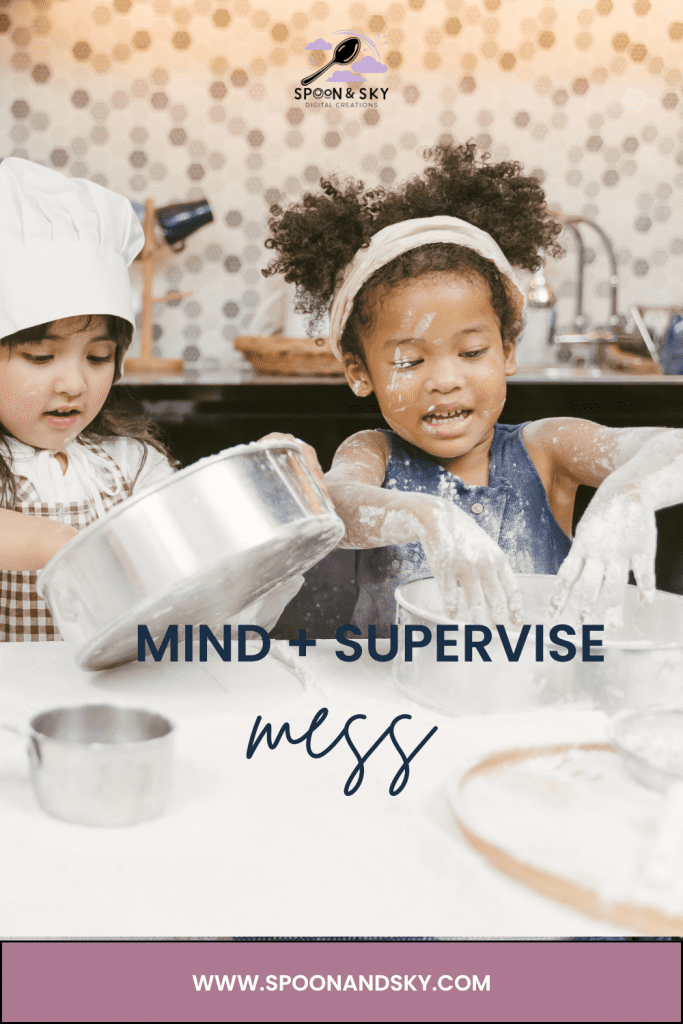
Preschoolers can stir, pour, and assemble with a little supervision. They love “building” foods.
4. Mini Pita Pizzas
- Provide whole-wheat pitas as the base.
- Bowls of grated cheese, chopped vegetables, and tomato sauce.
- Kids spoon sauce, sprinkle toppings, and proudly hand them to you for baking.
5. Energy Bites (No-Bake)
- Mix oats, peanut butter (or sunflower seed butter), honey, and raisins in a bowl.
- Kids roll the mixture into balls.
- Chill in fridge before serving.
- Variation: Roll in coconut flakes for “snowballs.”
6. Yogurt Parfait Towers
- Small cups of yogurt, granola, and berries.
- Kids layer: yogurt → fruit → granola → repeat.
- Top with a drizzle of honey or cinnamon dust.
🧑🍳 Early Primary (Ages 5–8)

At this age, kids can follow short instructions, measure, and crack eggs with supervision.
7. DIY Sandwich Bar
- Lay out bread, spreads, sliced cheese, and fillings.
- Kids choose combinations and assemble their own sandwiches.
- Encourage “sandwich stories”—what’s special about their creation?
8. Scrambled Egg Muffins
- Kids whisk eggs in a bowl with cheese and chopped veggies.
- Pour into greased muffin tins.
- Bake until set—mini omelettes perfect for small hands.
9. Simple Banana Muffins
- Mash ripe bananas with a fork.
- Add flour, baking powder, milk, and a little sugar.
- Kids stir and scoop into muffin cases.
- Parent handles oven, kids get first taste.
🌟 Older Kids (8+)
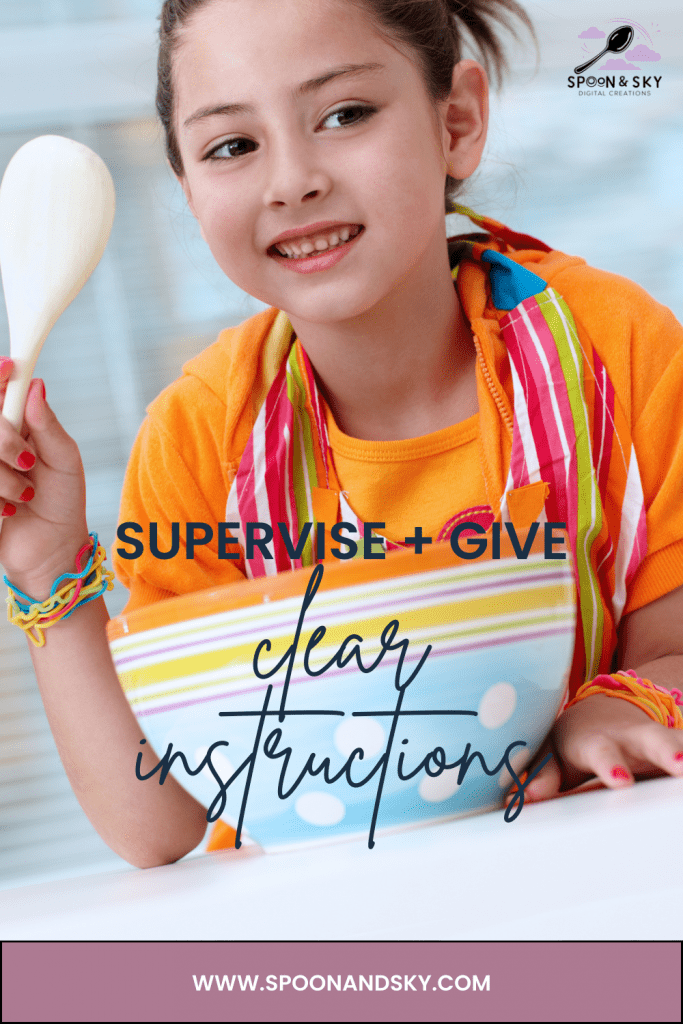
Older children can read recipes, measure independently, and safely use a small knife with supervision.
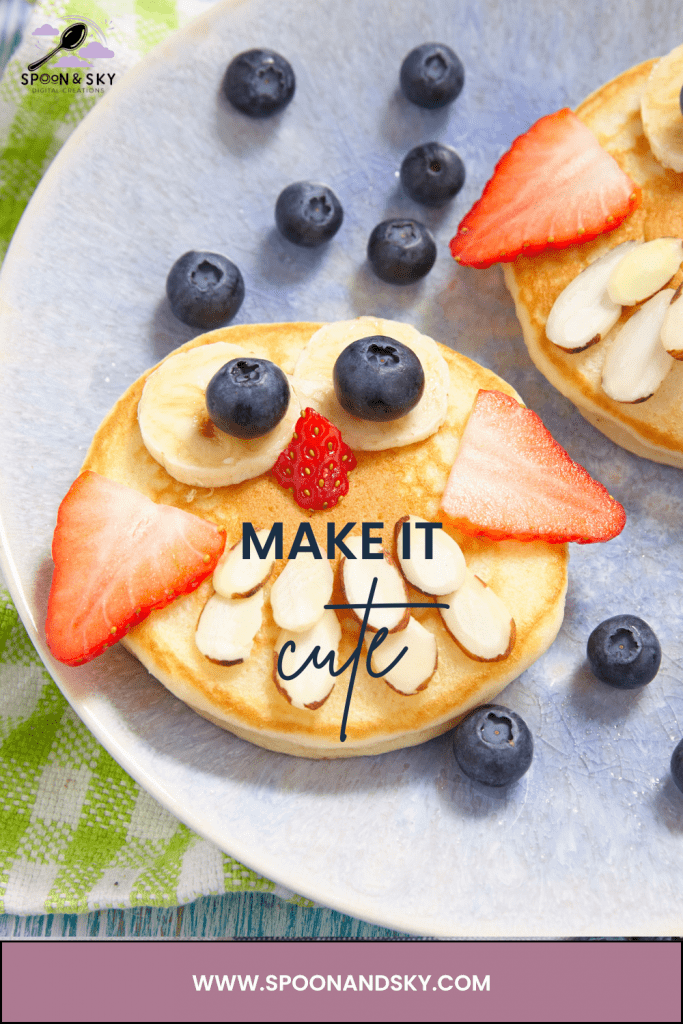
10. Pancake Faces
- Mix a simple pancake batter.
- Kids pour onto the pan with your guidance.
- Decorate with fruit slices, chocolate chips, or nuts.
- The sillier the face, the better.
11. Homemade Trail Mix
- Set out bowls of nuts, seeds, dried fruit, popcorn, pretzels, chocolate chips.
- Kids scoop into jars and invent names for their mixes (“Dragon Fuel,” “Explorer Crunch”).
12. Simple Stir-Fry
- Pre-chop veggies and set out bowls.
- Kids add oil to pan, toss veggies, stir with supervision.
- Add noodles or rice for a quick, colourful dinner.
Find the recipes here:
Playful Prompts While Cooking
Cooking time is also conversation time. Here are prompts to keep things light and imaginative while you stir:
- “If your muffin could talk, what would it say?”
- “Pretend this pancake is a flying saucer—what planet did it come from?”
- “Let’s give our fruit salad a superhero name.”
The kitchen becomes more than a workspace—it becomes a stage for storytelling and giggles.
Safety, Mess & Sanity
A few gentle reminders for peace of mind:
- Knives: Use child-safe knives until confident.
- Heat: Children stir at cool stages, adults handle ovens and hot pans.
- Mess: Flour on the floor is a sign of joy. Keep a damp cloth nearby.
- Expect spills: See them as part of the recipe, not a disaster.
Teaching Self-Care Through Cooking
Cooking isn’t just food prep—it’s self-care for kids too:
- Mindful moments: Stirring slowly, smelling spices, noticing textures.
- Pride: “I made this!” fosters self-esteem.
- Body awareness: Learning what foods feel nourishing.
- Calm rituals: Baking together becomes a soothing family rhythm.
The Joy of Imperfect Results
Sometimes the cookies will be lumpy. Sometimes the bread won’t rise. Sometimes the smoothie will turn a shade of questionable brown.
It’s all part of the memory. Children rarely remember the “perfect” cake, but they’ll always remember being trusted to crack the egg.

Final Encouragement
Cooking with kids doesn’t need to be an extra burden. With the right recipes, a bit of prep, and a flexible mindset, the kitchen can transform into a place of independence, connection, and delight. It’s less about the outcome and more about the process—the sticky fingers, the proud smiles, the stories made between bowls of flour and sprinkles of sugar.
With spoons clattering, giggles rising, and the sweet smell of muffins in the air,
Lily Luz
Spoon & Sky


✨ Get Your Free Printable ✨
Looking for a simple way to bring a little more calm, structure, or creativity into your day?
Enter your email below and get instant access to your free printable from Spoon & Sky — made to spark joy, imagination, and gentle rhythms at home. 🌿
We’ll send your printable and a few kind, helpful ideas to your inbox. No spam — just calm, creative family tools.
Leave a Reply