How to Create Movement Zone for Kids in Small Homes

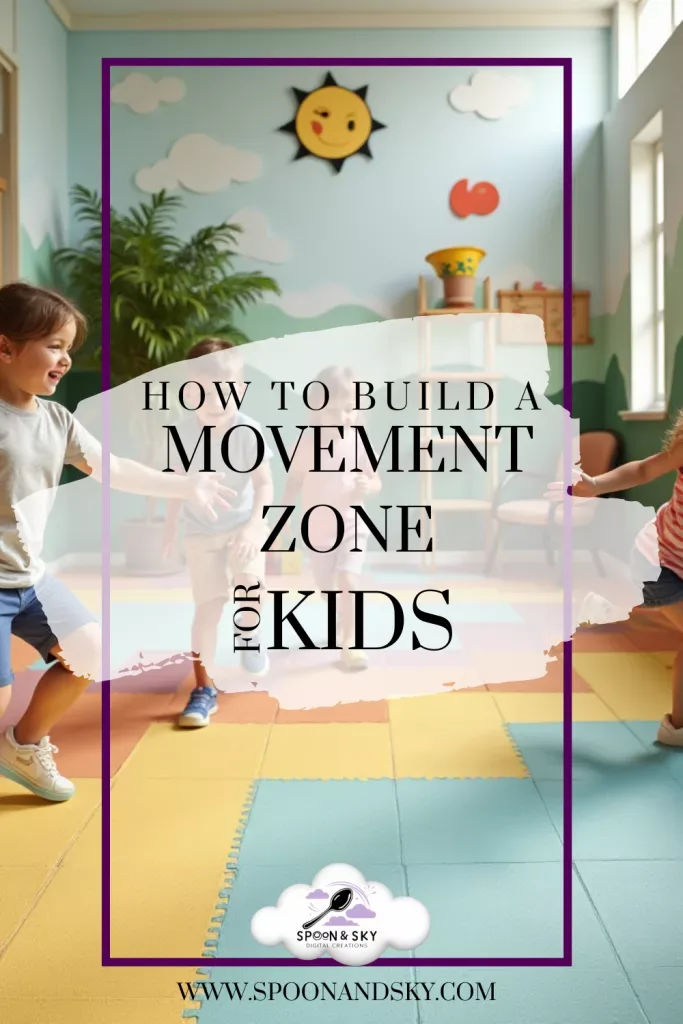
🌿 How to Help Kids Focus, and Regulate Through Movement— Even Indoors
When kids move, they regulate. Their energy finds a path, their brains reset, and their bodies prepare to focus again. So let’s set up a movement zone the easy, quick, budget friendly way.
Movement isn’t just about “exercise” — it’s about nervous system balance. It helps with:
- Emotional regulation
- Focus and transitions
- Body awareness and coordination
- Sleep quality
- Confidence and independence
But many parents struggle to make that happen indoors — especially in flats, townhouses, or small homes where space feels limited.
That’s where a movement zone comes in: a tiny, intentional space that invites calm energy release without turning your living room into a trampoline park.
You don’t need a playroom. You just need a plan.
🏠 What Is a Movement Zone?
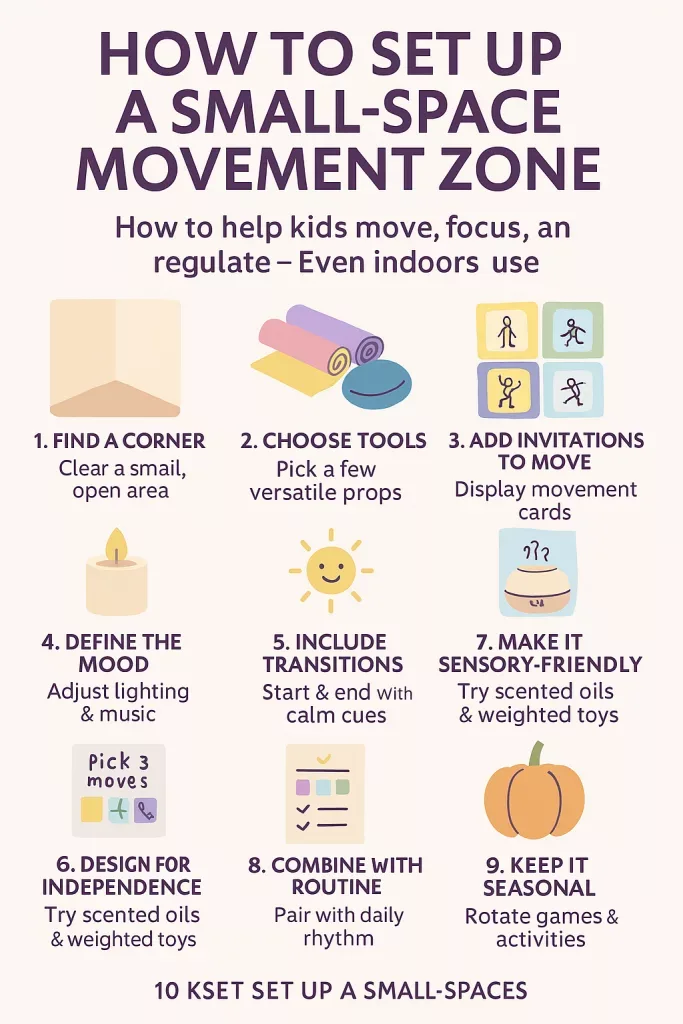
Think of it as the active twin to your Calm-Down Corner. Where the calm corner invites stillness and reflection, the movement zone invites release and reset — safely.
It’s a designated area (even 1–2 meters wide!) where kids can move, stretch, jump, or roll in ways that help their bodies regulate.
It’s not about chaos. It’s about permission to move — within boundaries that feel calm, structured, and sensory-friendly.
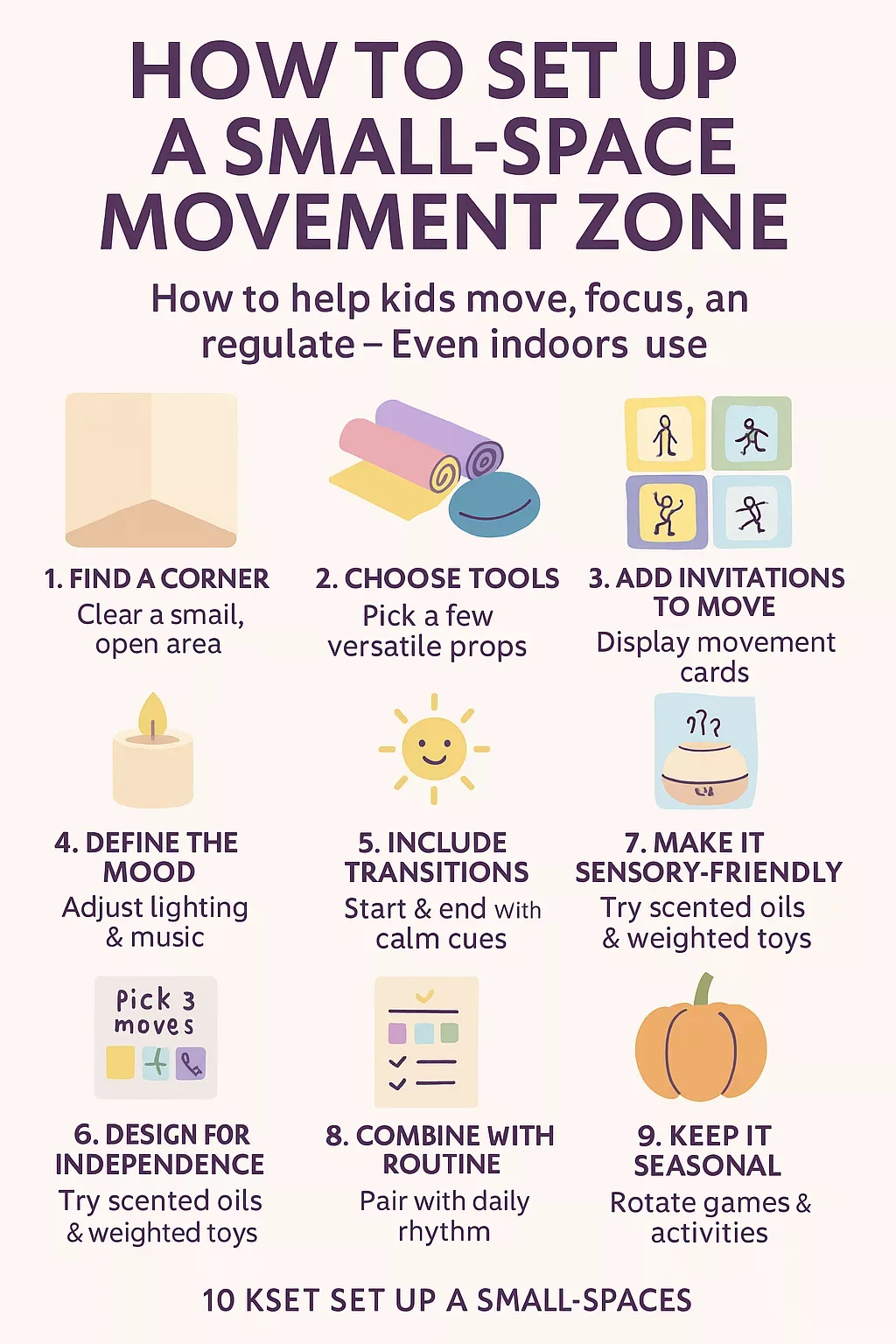
🪞 Step 1: Find a Corner That Can Flex
You don’t need much space — a small patch of floor that can be cleared in minutes works beautifully.
Ideal spots:
- A corner of the living room or playroom
- Beside your child’s bed (morning stretch area)
- In front of a sofa (soft landing zone!)
- Hallway or landing (for quick bursts of play)
- Even part of your Calm Corner if dual-purpose
The goal: visibility, safety, and accessibility.
Make it easy to tidy up — a basket or cube shelf keeps tools contained.
🧺 Step 2: Choose Multi-Use Movement Tools
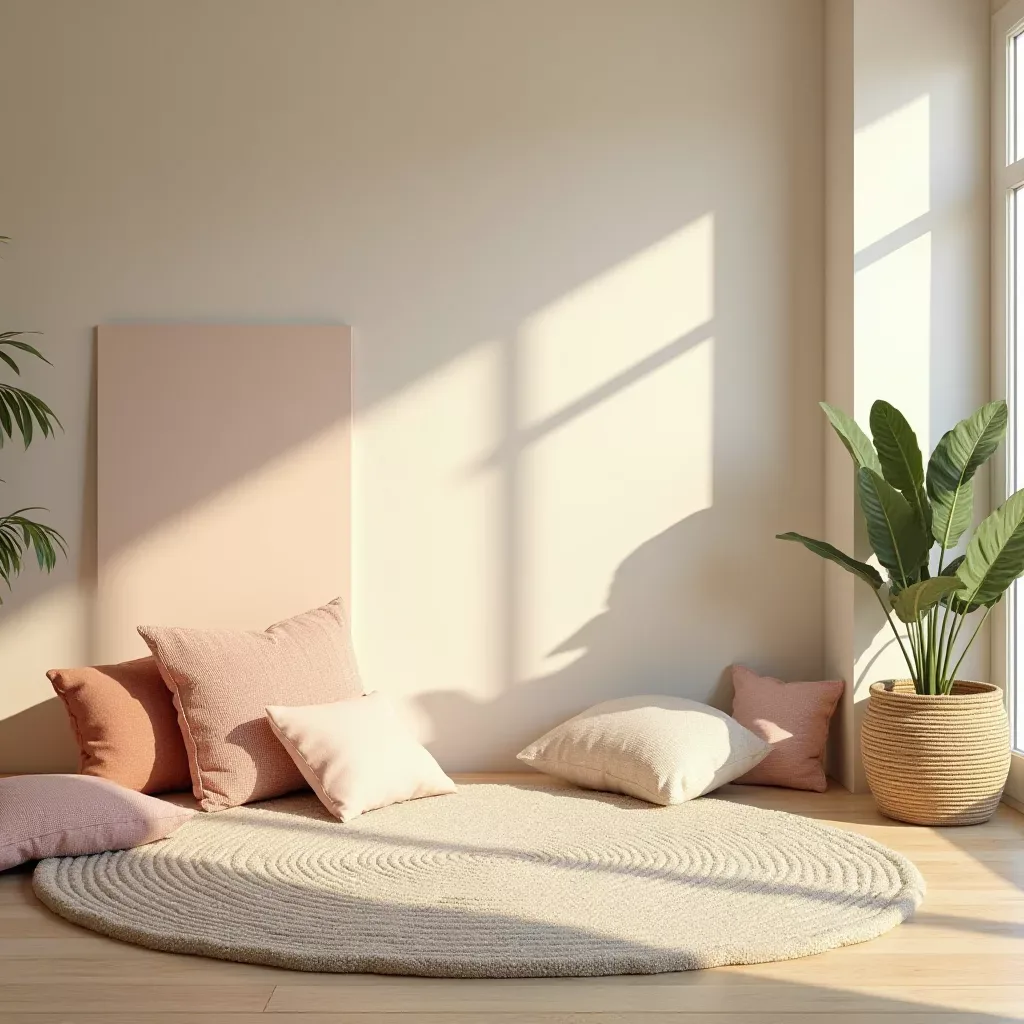
You don’t need bulky gym gear — just versatile, open-ended props that encourage active play without overstimulation.
TypeExamplePurpose🧘♀️ Soft mat or rugFoldable foam mat, yoga mat, or quiltDefines the zone and provides comfort🪶 Light movement propsScarves, ribbons, balloonsEncourage flow and rhythm⚖️ Balance toolsTape line on the floor, stepping stones, or cushionsBuild coordination and focus🧩 Core moversSmall stability ball, cushion stack, wobble boardEngage muscles safely🪵 Sensory inputsWeighted lap toy, beanbags, soft blocksAdd deep pressure play🎶 AudioBluetooth speaker for movement playlistsAdds rhythm, enhances engagement
Keep it minimal: 4–5 props max. Too many options can lead to overstimulation.
🌟 Step 3: Add Visual Invitations to Move
Visual cues help children understand what’s available to them without needing direction.
Use posters or cards to display movement ideas:
- Jump like a frog
- Balance like a flamingo
- Stretch like the sun
- Roll like a log
- Breathe like a dragon
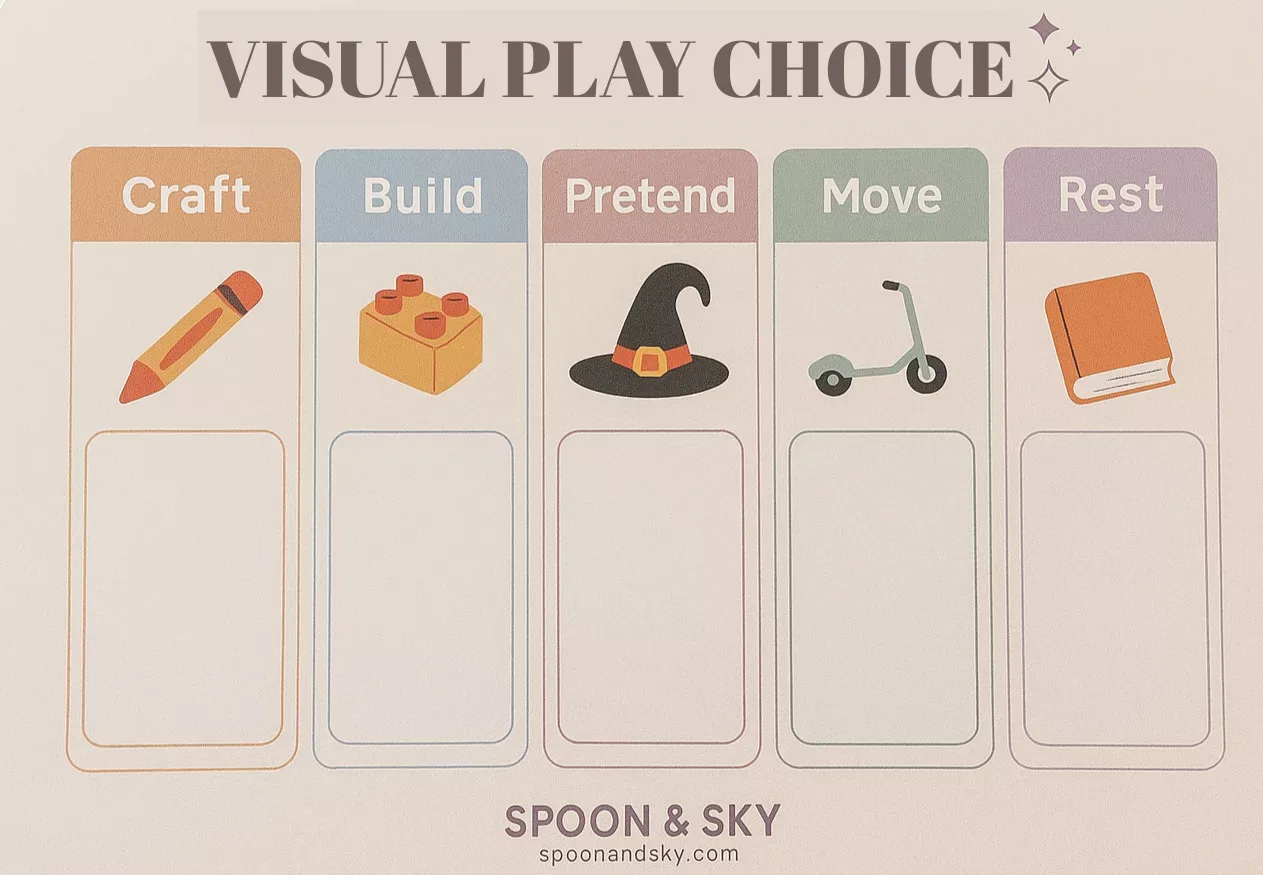
You can use your Visual Play Planner icons or make a new printable set.
💡 Pro tip: Rotate cards weekly to keep it fresh.
🎨 Step 4: Define the Mood
Movement doesn’t always mean wild — it can be:
- Energizing
- Grounding
- Restorative
Create “zones of calm energy” through sensory setup:
TypeAtmosphereTools🌞 Morning BoostOpen curtains, upbeat music, bright visualsScarves, soft balls, yoga poses🌤️ Midday ResetNeutral lighting, rhythmic background musicBalance games, stretches🌙 Evening CalmDim light, slow music, candle or fairy lightsSlow yoga, breathing, rocking motions
By pairing light, sound, and visuals with movement, you teach children how to tune their bodies to different energy states.
🧘 Step 5: Include Calm Transitions
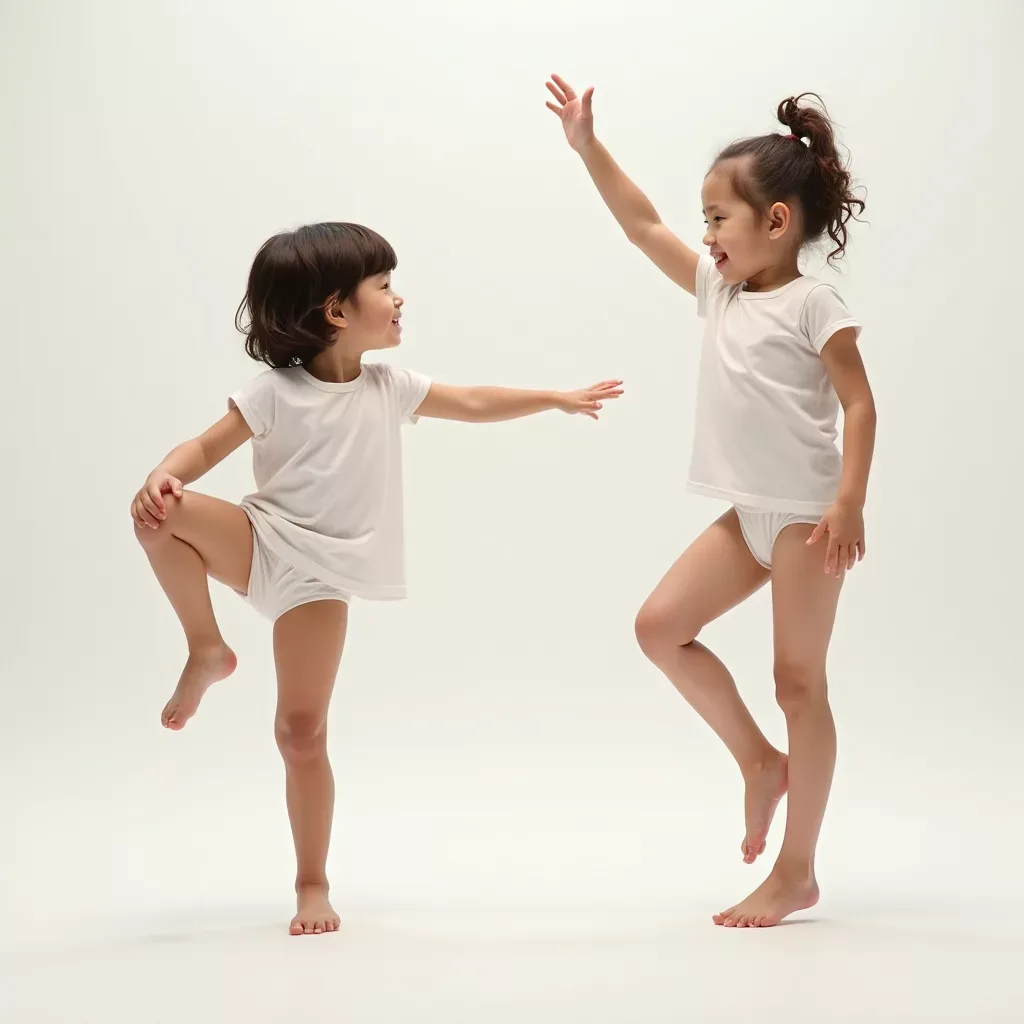
The most powerful part of movement play is how it ends.
Each session should have a clear start and finish cue:
Start cue:
“Let’s wake our bodies up!” “Time for a movement moment!”
End cue:
“Now let’s melt into stillness.” “Let’s finish with a big stretch and one deep breath.”
A short calm-down ritual helps children shift gears and integrate what they’ve felt physically.
Ideas:
- Sit on the floor together and breathe for 20 seconds.
- Listen to one soft song.
- End with a hug, stretch, or high five.
This closing moment turns unstructured play into a gentle rhythm — something Spoon & Sky parents already value deeply.
🪴 Step 6: Design for Independence
A movement zone works best when kids can use it without adult direction.
Try:
- A small chart: “Pick 3 moves.”
- Picture cards of 5 favorite stretches.
- A “Move Jar” with slips of paper for inspiration.
When children can self-select, you shift from managing their energy to empowering their rhythm.
🎶 Step 7: Make It Sensory-Friendly
Movement supports regulation best when it’s multi-sensory — sight, touch, sound, and balance all working together.
Try adding:
- A calm diffuser blend (lavender + orange)
- Weighted toy or lap pad for proprioceptive input
- Gentle music (rain sounds, piano, soft beats)
- Barefoot play when possible (foot grounding is soothing!)
Avoid loud, flashing, or overly stimulating toys — calm energy thrives in predictable simplicity.
🌼 Step 8: Combine It With Routine
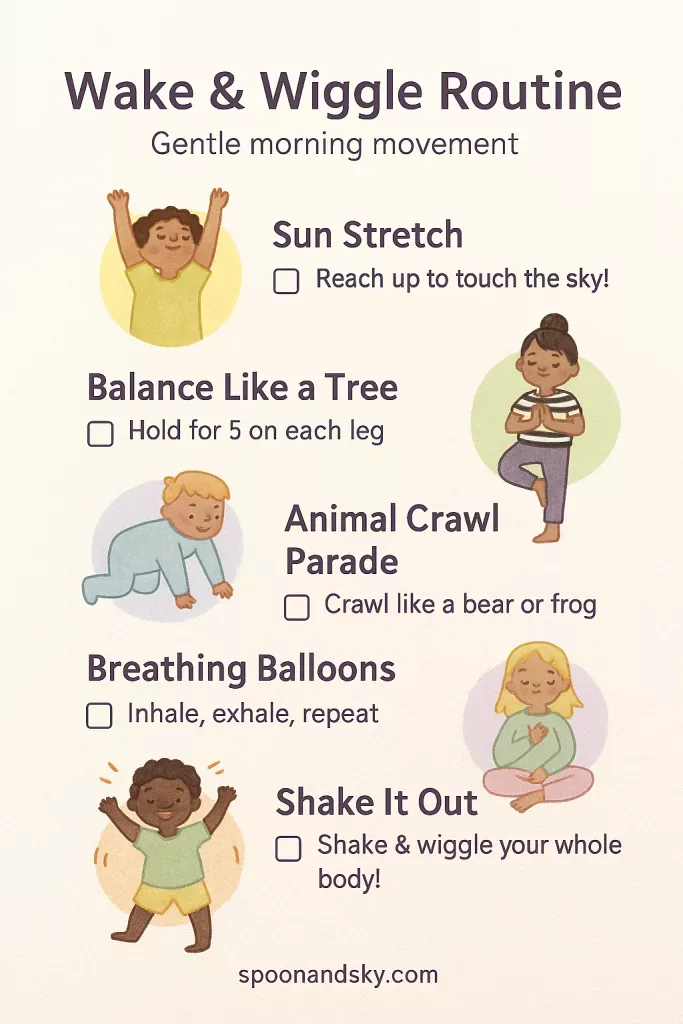
Check out this blog post for quick movement activities.
Routine MomentMovement Idea🌞 Morning5-minute stretch + breathing together🏫 After school10-minute obstacle path before snack🌙 Before bedGentle yoga or soft rolling game☀️ Weekends“Family Movement Hour” — choose 3 cards each
🕊️ Step 10: Keep It Realistic
[
](https://my.flowlance.com/lilyluz/funnyfaces)
Movement zones don’t have to be Pinterest-perfect. They just need to work for your family.
If all you have is:
- A yoga mat,
- A beanbag,
- And a playlist —
That’s enough.
The goal isn’t perfection — it’s presence.
A moment to say:
“You’re allowed to move. You’re allowed to calm. This home makes space for both.”
🌈 Final Thoughts
Movement is medicine for childhood. It helps kids process energy, feelings, and growth in ways words can’t.
Even in small spaces, even on long winter days — there’s always room for rhythm.
So, clear a corner. Roll out a mat. Invite movement, laughter, and calm energy to flow through your home — one soft, joyful stretch at a time.
With warmth & sparkle,Lily Luz ✨ Spoon & Sky Studios – Simple Tools for Joyful Structure