
7 to 8 years: growing, playing and learning
Curious, capable and full of opinions. A lovely age for projects, games and real responsibility.
Usually: Year 3 (Key Stage 2)
Physical Growth
What's typical
- The NHS Eatwell Guide shows a balanced mix of foods for the whole family
- The NHS suggests no more than 24g of free sugars a day (about 6 sugar cubes) for 7 to 10 year olds
- Water and milk are the best drinks
The NHS advises an average of at least 60 minutes a day of activity that gets them out of breath, across the week, plus things that strengthen muscles and bones, and breaking up long spells of sitting.
Activities to try
- Let them make a simple lunch or snack by themselves
- Compare labels together to spot hidden sugar
- Climbing, swimming or cycling adventures at the weekend
Tips
- Talk about how food helps them play, learn and feel good
- Avoid labelling foods 'good' or 'bad'
- Let them find the activity they love: it's not about being the best
- Screen breaks with a quick movement game help everyone
Free to try
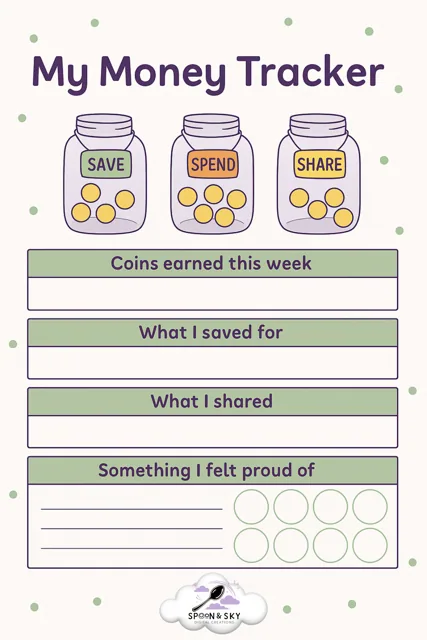

From the shop
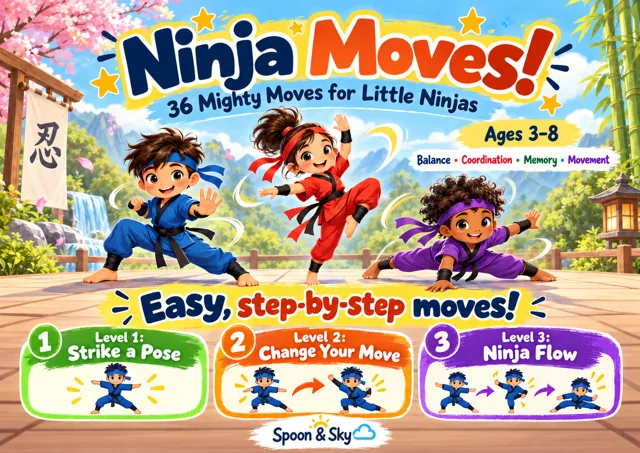
MOVE series: Ninja Moves and Step and Stomp Guide
Ages 3-8
Coming early 2027
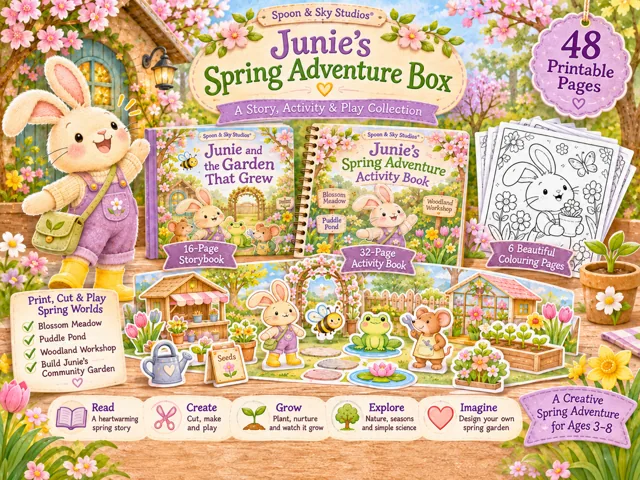
Spring Adventure Pack
Ages 3-8
£9.99
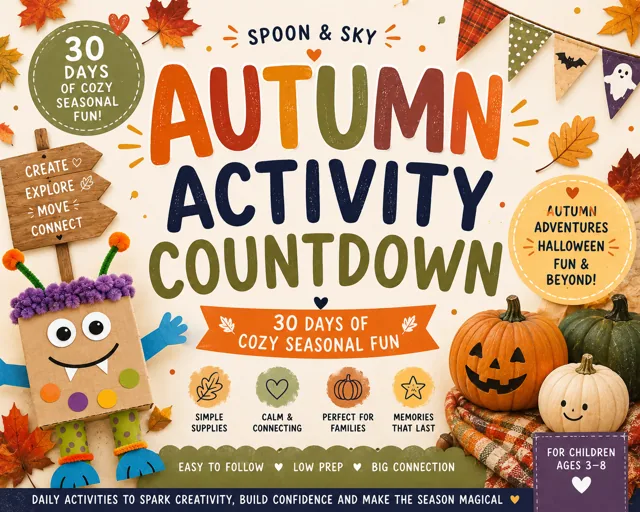
Autumn Activity Countdown for Kids
Ages 3-8
£9.99
Read more
- Picky Eaters at Christmas: A Low-Stress Guide for Parents
- Bedtime Battles: How Much Sleep Do Kids Aged 3–8 Need?
- 25 Indoor Movement Games for Kids on Rainy Days
When to ask for advice
- If your child seems to lose skills they once had
- If you're worried about their speech, learning, movement, friendships or feelings
- If something just doesn't feel right: you know your child best
Talk to your GP, the school nurse or your child's teacher. Asking early is always fine.
- If you're worried about your child's eating, weight or growth
- If they eat only a very small range of foods, or meals are often very distressing
Talk to your health visitor, school nurse or GP.
- If your child seems to lose skills they once had
- If you're worried about their speech, learning, movement, friendships or feelings
- If something just doesn't feel right: you know your child best
Talk to your GP, the school nurse or your child's teacher. Asking early is always fine.
Cognitive Thinking
What's typical
Lots of children this age think more about other people's feelings, and their own.
In England, Year 3 is the start of Key Stage 2. Every child learns at their own pace.
Children begin to reason more systematically, make connections between previous knowledge and new information, and explore different ways to solve problems. Their attention, memory and planning skills become more developed, helping them tackle increasingly complex activities and work more independently. They become better at explaining their reasoning, considering other viewpoints and learning from their experiences. Abstract thinking, however, is still developing.
Activities to try
- A 'my week' planner they fill in themselves
- A cardboard engineering challenge: build a bridge for a toy car
Tips
Every child grows, thinks and learns in their own unique way. These developmental stages are gentle guides, not a checklist or a race. At Spoon & Sky, we believe that curiosity, meaningful play, connection and the freedom to make mistakes create wonderful foundations for lifelong learning. Meet your child where they are, celebrate the little discoveries and let their confidence grow naturally.
From the shop
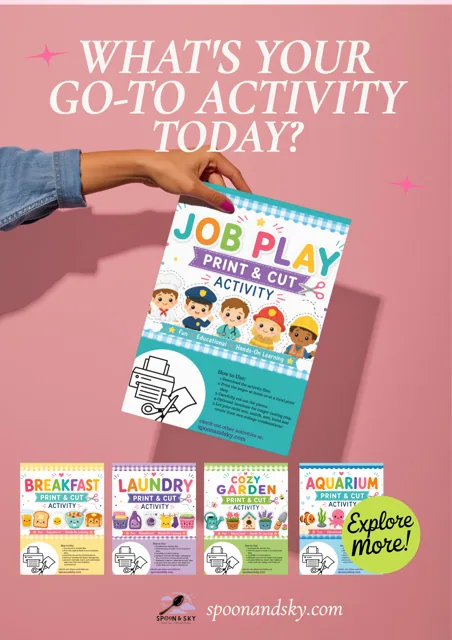
Ultimate Printable Play Bundle
Ages 3-8
£9.99 £7.99
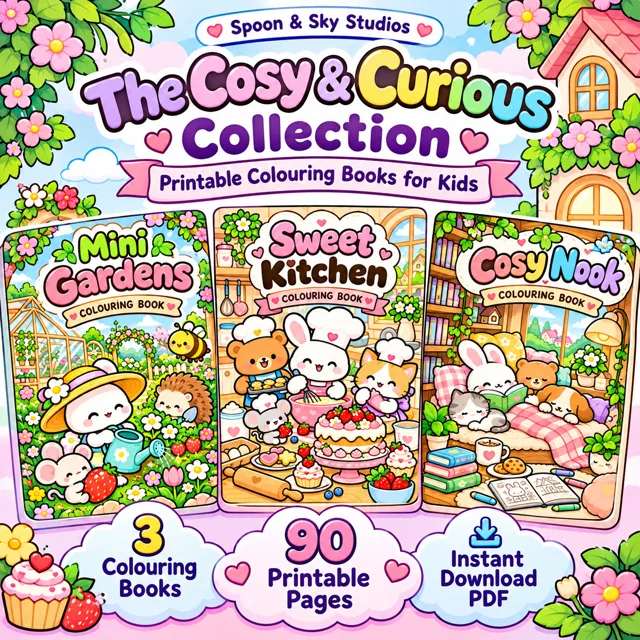
The Cosy & Curious Collection — 90 Printable Kawaii Colouring Pages
Ages 3-8
£9.99 £7.99
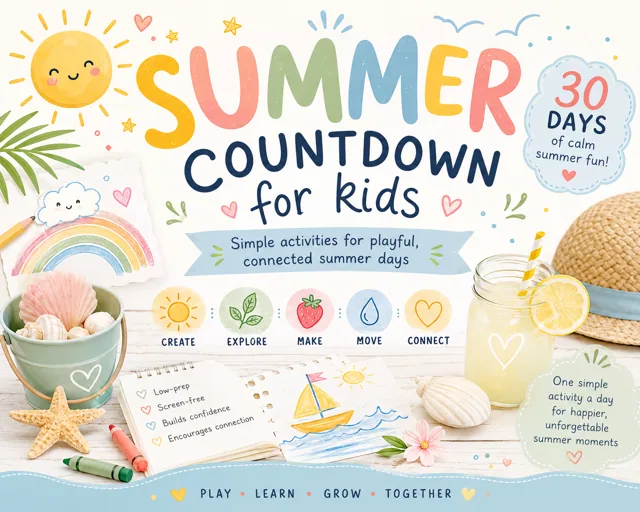
Summer Activity Countdown for Kids
Ages 3-8
£9.99
Read more
- 25 Easy After-School Snacks for Hungry Kids (That Won’t Ruin Dinner)
- The Calm Back-to-School Reset: 12 Small Changes for Easier School Mornings
- 10 Wonderful Summer Books for Kids Ages 3–8 | The Ultimate Throwback Reading List
When to ask for advice
- If your child seems to lose skills they once had
- If you're worried about their speech, learning, movement, friendships or feelings
- If something just doesn't feel right: you know your child best
Talk to your GP, the school nurse or your child's teacher. Asking early is always fine.
- If you're worried about your child's eating, weight or growth
- If they eat only a very small range of foods, or meals are often very distressing
Talk to your health visitor, school nurse or GP.
- If your child seems to lose skills they once had
- If you're worried about their speech, learning, movement, friendships or feelings
- If something just doesn't feel right: you know your child best
Talk to your GP, the school nurse or your child's teacher. Asking early is always fine.
Emotional & Social Connection
What's typical
Lots of children this age manage much of their morning routine, keep track of their things with reminders and take on regular jobs at home.
Activities to try
- A gratitude jar: one good thing each day
- Pocket money linked to a few regular jobs
- A calm evening routine with reading before lights out
- Put on a family show with tickets and a programme
- A family 'question jar': look up the answers together
- Team games in the park with friends or family
Tips
- Agree routines together: they're more likely to stick
- Leave room for downtime: busy weeks need slow evenings
From the shop
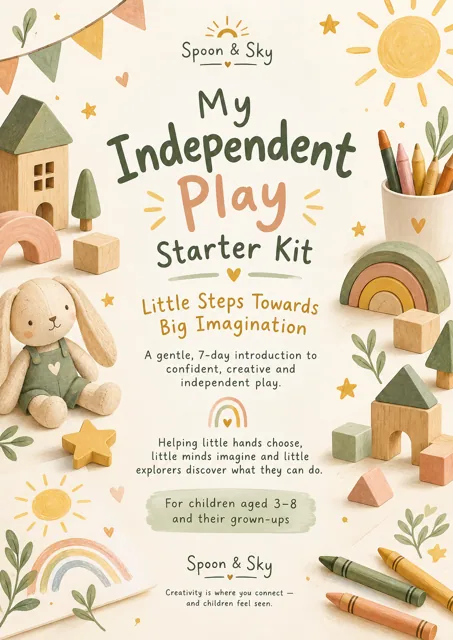
Independent Play Pack
Ages 3-8
Coming early 2027
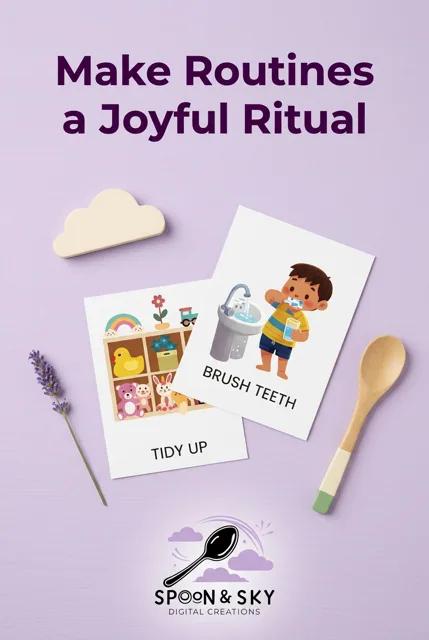
Visual Routine Cards Collection
Ages 3-8
£1.99
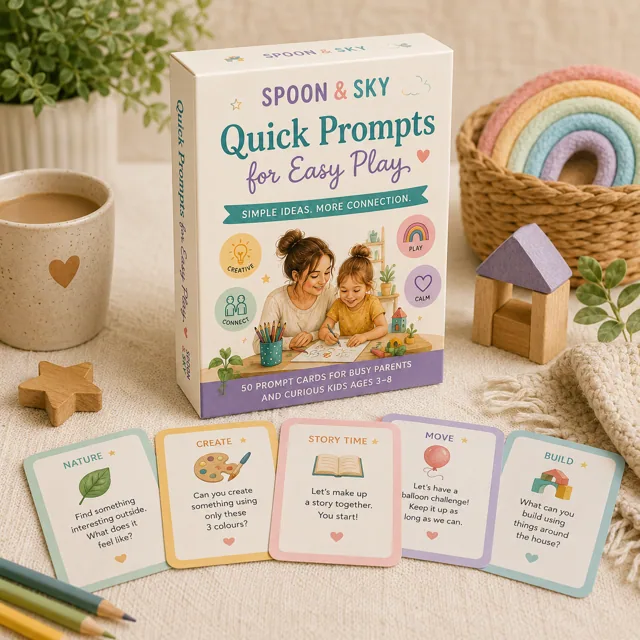
Quick Prompts for Play Cards
Ages 3-8
£3.99
Read more
- Surviving Christmas Gatherings with Kids: A Parent's Guide
- Tantrums & Big Feelings: What to Say and Do (Ages 3–8)
- The Calm Back-to-School Reset: 12 Small Changes for Easier School Mornings
When to ask for advice
- If your child seems to lose skills they once had
- If you're worried about their speech, learning, movement, friendships or feelings
- If something just doesn't feel right: you know your child best
Talk to your GP, the school nurse or your child's teacher. Asking early is always fine.
- If you're worried about your child's eating, weight or growth
- If they eat only a very small range of foods, or meals are often very distressing
Talk to your health visitor, school nurse or GP.
- If your child seems to lose skills they once had
- If you're worried about their speech, learning, movement, friendships or feelings
- If something just doesn't feel right: you know your child best
Talk to your GP, the school nurse or your child's teacher. Asking early is always fine.
Language & Expression
What's typical
Lots of children this age love detailed projects, collecting, building and making things to share: books, shows, models and inventions. Many read for fun and to find things out.
Activities to try
- Write and illustrate a little book together
Tips
- Give real tools with supervision: scissors, glue gun, needle and thread
- Value the idea and the effort as much as the result
From the shop

Summer Colouring Book Bundle
Ages 3-8
£3.99
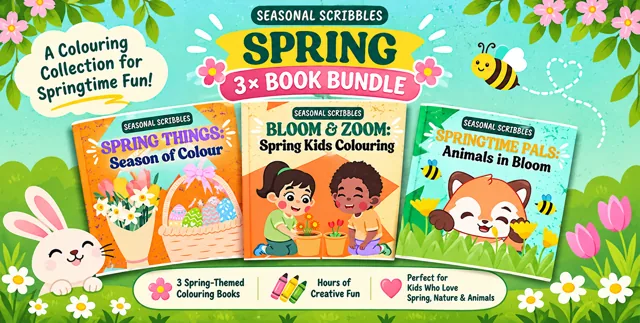
Spring Colouring Book Bundle
Ages 3-8
£3.99
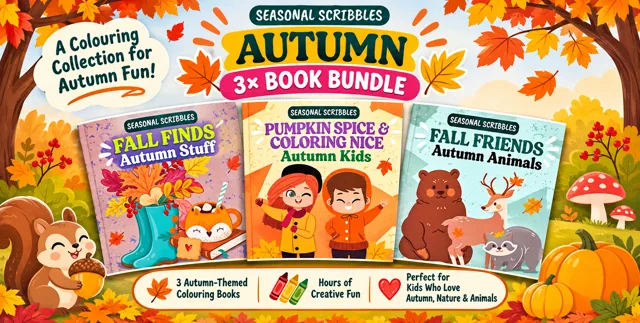
Autumn Colouring Book Bundle
Ages 3-8
£3.99
Read more
- 15 Easy DIY Halloween Costumes for Kids (Cheap + Last-Minute Ideas)
- 10 Wonderful Summer Books for Kids Ages 3–8 | The Ultimate Throwback Reading List
- What we Love to Read Classic Best Spring/Summer Picture Books for Kids
When to ask for advice
- If your child seems to lose skills they once had
- If you're worried about their speech, learning, movement, friendships or feelings
- If something just doesn't feel right: you know your child best
Talk to your GP, the school nurse or your child's teacher. Asking early is always fine.
At nursery and school
Year 3 (Key Stage 2)
Year 3 is the start of Key Stage 2, with more independent reading and writing and new subjects and topics.
Where this comes from
- NHS: The Eatwell Guide
- NHS: Sugar in our diet
- NHS: Physical activity guidelines for children and young people
- UK Chief Medical Officers' physical activity guidelines
- National curriculum in England
General information to support family life, not medical advice. Every child grows at their own pace. If you're worried about your child, talk to your health visitor, GP or school nurse.