
6 to 7 years: growing, playing and learning
Reading, rules, friendships and big ideas. Lots of growing independence, still plenty of cuddles.
Usually: Year 2 (Key Stage 1)
Physical Growth
What's typical
- The NHS Eatwell Guide shows a balanced mix of foods for the whole family
- The NHS suggests no more than 19g of free sugars a day for 4 to 6 year olds, and 24g (about 6 sugar cubes) for 7 to 10 year olds
- Water and milk are the best drinks
The NHS advises an average of at least 60 minutes a day of activity that gets them out of breath, across the week, plus things that strengthen muscles and bones, and breaking up long spells of sitting.
Activities to try
- Let them plan and help cook one family meal a week
- Try a 'new food of the week' together
- A 'best and hardest part of today' chat at dinner
- Riding a bike or scooter a little further
Tips
- Keep treats as treats, without making them forbidden
- Try different activities: dance, swimming, martial arts, football
Free to try
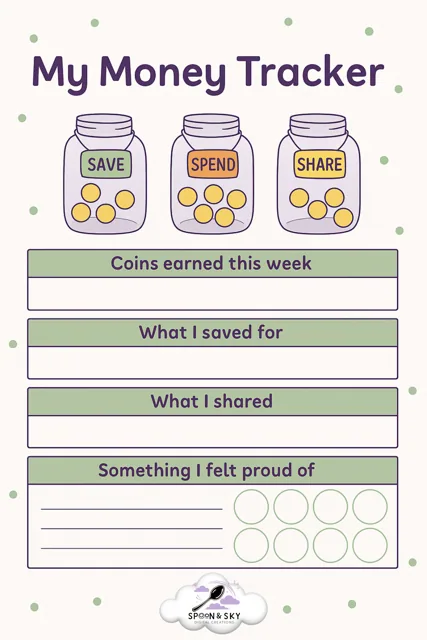

From the shop
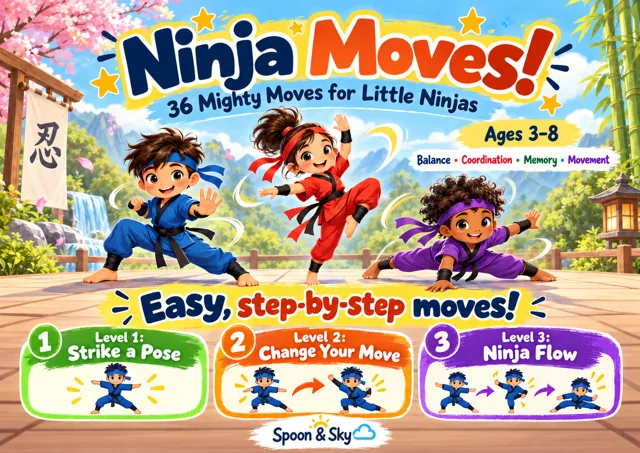
MOVE series: Ninja Moves and Step and Stomp Guide
Ages 3-8
Coming early 2027
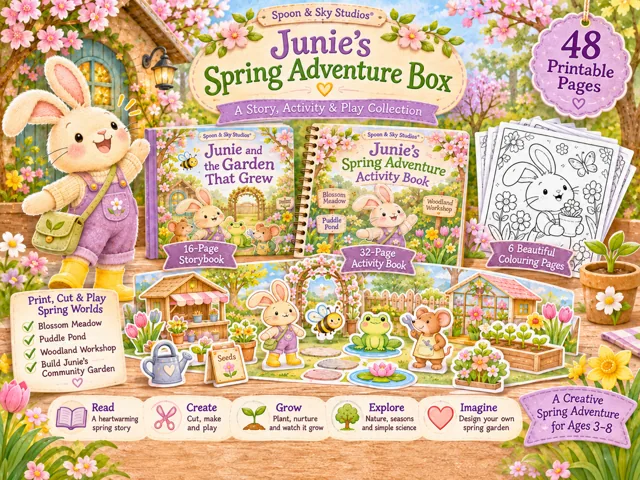
Spring Adventure Pack
Ages 3-8
£9.99
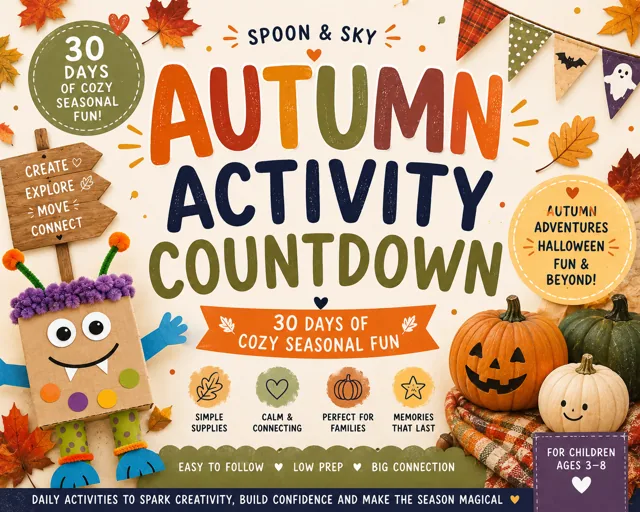
Autumn Activity Countdown for Kids
Ages 3-8
£9.99
Read more
- Picky Eaters at Christmas: A Low-Stress Guide for Parents
- Bedtime Battles: How Much Sleep Do Kids Aged 3–8 Need?
- 25 Indoor Movement Games for Kids on Rainy Days
When to ask for advice
- If your child seems to lose skills they once had
- If you're worried about their speech, learning, movement, friendships or feelings
- If something just doesn't feel right: you know your child best
Talk to your GP, the school nurse or your child's teacher. Asking early is always fine.
- If you're worried about your child's eating, weight or growth
- If they eat only a very small range of foods, or meals are often very distressing
Talk to your health visitor, school nurse or GP.
- If your child seems to lose skills they once had
- If you're worried about their speech, learning, movement, friendships or feelings
- If something just doesn't feel right: you know your child best
Talk to your GP, the school nurse or your child's teacher. Asking early is always fine.
Cognitive Thinking
What's typical
Lots of children this age love longer projects: making comics, inventing games and creating 'worlds' with their own rules and characters. Many are reading more on their own and love facts and questions.
At school (Year 2 in England) children follow the national curriculum, each at their own pace.
Children increasingly use logical thinking to make sense of everyday experiences. They become better at organising information, recognising relationships, remembering sequences and working through problems step by step. Their ability to concentrate, plan ahead and understand different perspectives continues to grow, although practical examples and real-life experiences remain important learning tools.
Activities to try
- A weekly planner with pictures for clubs and PE days
- Invent a board game together
- Ball games: throwing, catching, kicking at a target
- Card games and simple board games with rules
Tips
- Mistakes are part of learning: share your own
From the shop
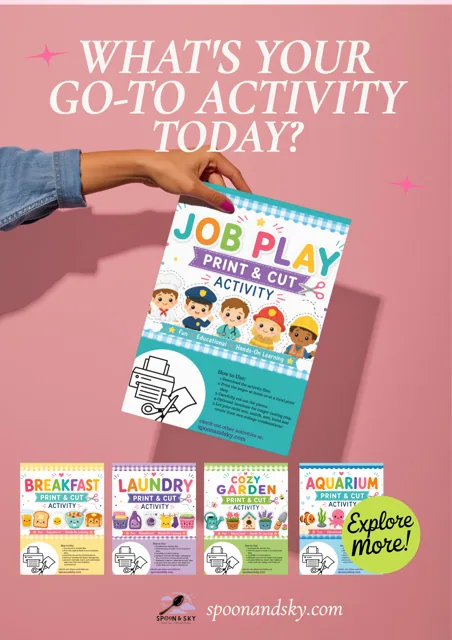
Ultimate Printable Play Bundle
Ages 3-8
£9.99 £7.99
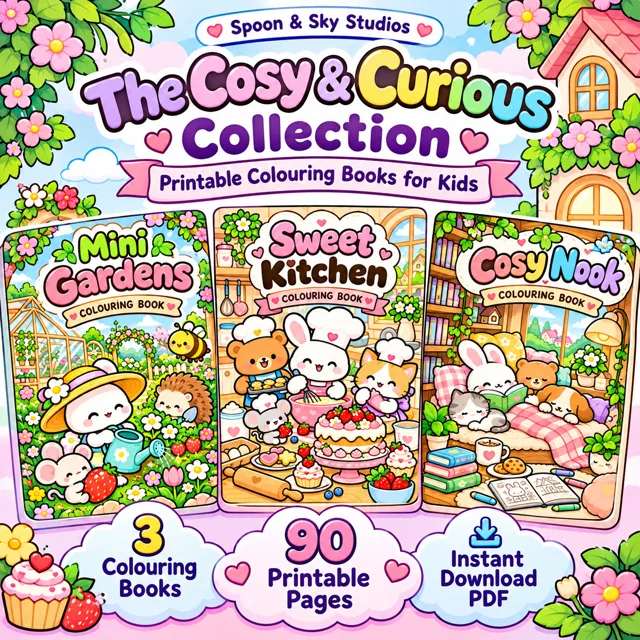
The Cosy & Curious Collection — 90 Printable Kawaii Colouring Pages
Ages 3-8
£9.99 £7.99
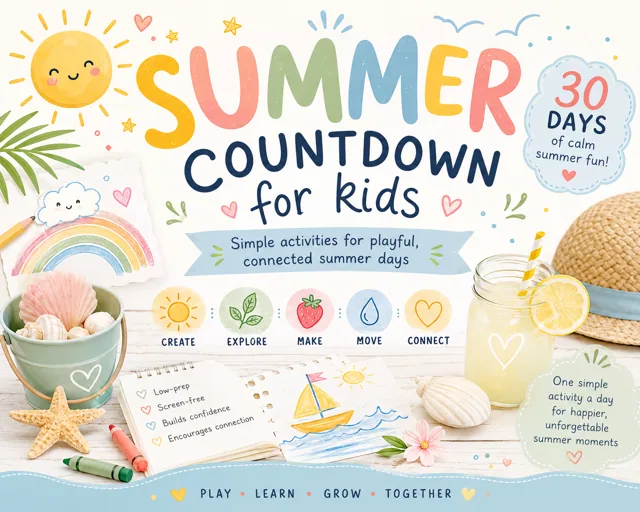
Summer Activity Countdown for Kids
Ages 3-8
£9.99
Read more
- 25 Easy After-School Snacks for Hungry Kids (That Won’t Ruin Dinner)
- The Calm Back-to-School Reset: 12 Small Changes for Easier School Mornings
- 10 Wonderful Summer Books for Kids Ages 3–8 | The Ultimate Throwback Reading List
When to ask for advice
- If your child seems to lose skills they once had
- If you're worried about their speech, learning, movement, friendships or feelings
- If something just doesn't feel right: you know your child best
Talk to your GP, the school nurse or your child's teacher. Asking early is always fine.
Emotional & Social Connection
What's typical
Friendships matter more and more, and so do the ups and downs that come with them.
Lots of children this age can follow a short routine on their own, look after some of their things and help around the home, with reminders.
Activities to try
- A 'packing my bag' checklist
- A family jobs chart they help design
- Make a comic strip about the family pet or a favourite toy
Tips
- Help them name and handle friendship worries
- Build independence in small steps, with support nearby
From the shop
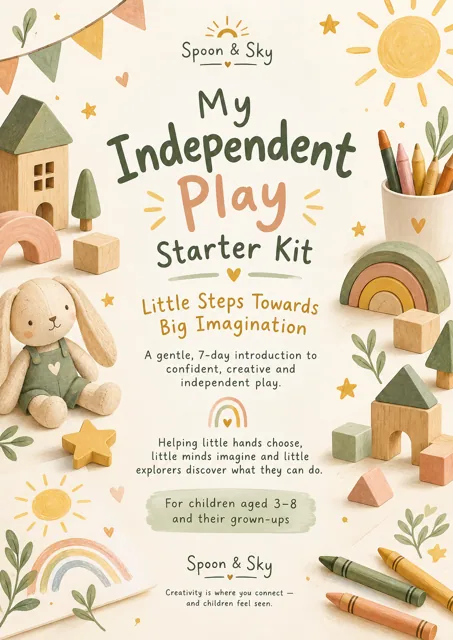
Independent Play Pack
Ages 3-8
Coming early 2027
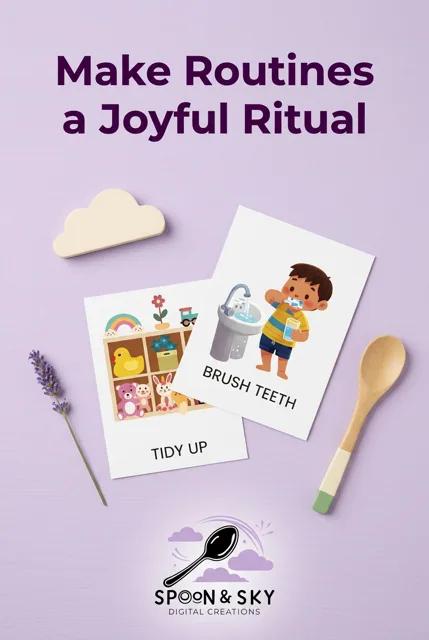
Visual Routine Cards Collection
Ages 3-8
£1.99
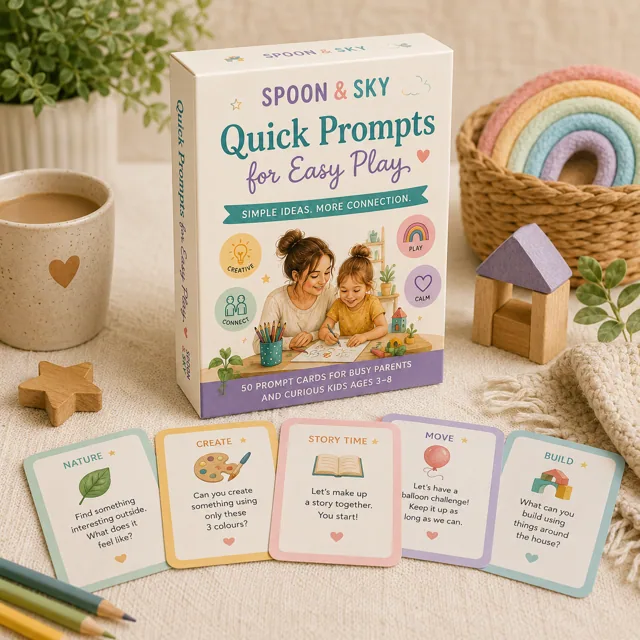
Quick Prompts for Play Cards
Ages 3-8
£3.99
Read more
- Surviving Christmas Gatherings with Kids: A Parent's Guide
- Tantrums & Big Feelings: What to Say and Do (Ages 3–8)
- The Calm Back-to-School Reset: 12 Small Changes for Easier School Mornings
When to ask for advice
- If your child seems to lose skills they once had
- If you're worried about their speech, learning, movement, friendships or feelings
- If something just doesn't feel right: you know your child best
Talk to your GP, the school nurse or your child's teacher. Asking early is always fine.
- If you're worried about your child's eating, weight or growth
- If they eat only a very small range of foods, or meals are often very distressing
Talk to your health visitor, school nurse or GP.
- If your child seems to lose skills they once had
- If you're worried about their speech, learning, movement, friendships or feelings
- If something just doesn't feel right: you know your child best
Talk to your GP, the school nurse or your child's teacher. Asking early is always fine.
Language & Expression
Activities to try
- Take turns reading pages of a book aloud
Tips
- Notice and name it when they manage something by themselves
- Let projects last over days: a 'work in progress' shelf helps
- Ask them to teach you how they made it
From the shop
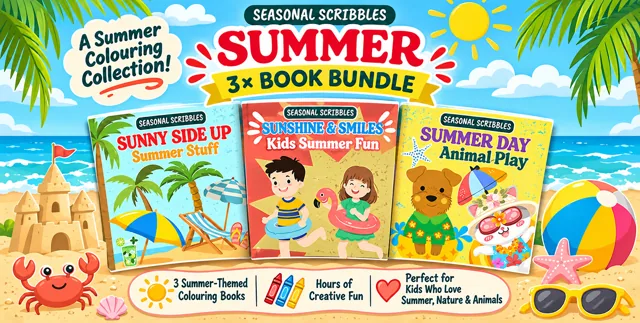
Summer Colouring Book Bundle
Ages 3-8
£3.99
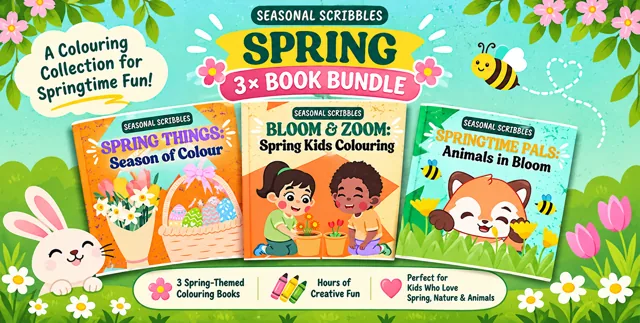
Spring Colouring Book Bundle
Ages 3-8
£3.99
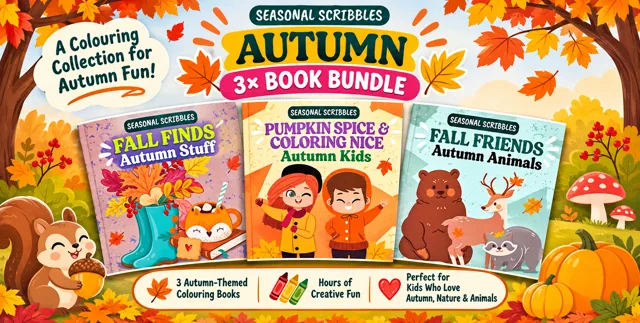
Autumn Colouring Book Bundle
Ages 3-8
£3.99
Read more
- 15 Easy DIY Halloween Costumes for Kids (Cheap + Last-Minute Ideas)
- 10 Wonderful Summer Books for Kids Ages 3–8 | The Ultimate Throwback Reading List
- What we Love to Read Classic Best Spring/Summer Picture Books for Kids
When to ask for advice
- If your child seems to lose skills they once had
- If you're worried about their speech, learning, movement, friendships or feelings
- If something just doesn't feel right: you know your child best
Talk to your GP, the school nurse or your child's teacher. Asking early is always fine.
At nursery and school
Year 2 (Key Stage 1)
Year 2 is the end of Key Stage 1: reading, writing and number confidence keep growing, with lots of topics about the world around them.
Where this comes from
- NHS: The Eatwell Guide
- NHS: Sugar in our diet
- NHS: Physical activity guidelines for children and young people
- UK Chief Medical Officers' physical activity guidelines
- National curriculum in England
General information to support family life, not medical advice. Every child grows at their own pace. If you're worried about your child, talk to your health visitor, GP or school nurse.