
5 to 6 years: growing, playing and learning
Starting school and a busy new rhythm. Home is where they rest, reconnect and play.
Usually: Year 1 (Key Stage 1)
Physical Growth
What's typical
- The NHS Eatwell Guide shows a balanced mix of foods for the whole family
- The NHS suggests no more than 19g of free sugars a day (about 5 sugar cubes) for 4 to 6 year olds
- Water and milk are the best drinks
A full school day is a big change: lots of children come home tired, hungry and full of feelings.
From 5, the NHS advises an average of at least 60 minutes a day of activity that gets them out of breath, across the week, plus things that strengthen muscles and bones (like jumping and climbing), and breaking up long spells of sitting.
Activities to try
- Pack the lunchbox together, choosing from a few healthy options
- A snack, a cuddle and quiet time straight after school
- Skipping, jumping games and the climbing frame at the park
Tips
- Keep mealtimes about being together, not counting bites
- Protect wind-down time before bed
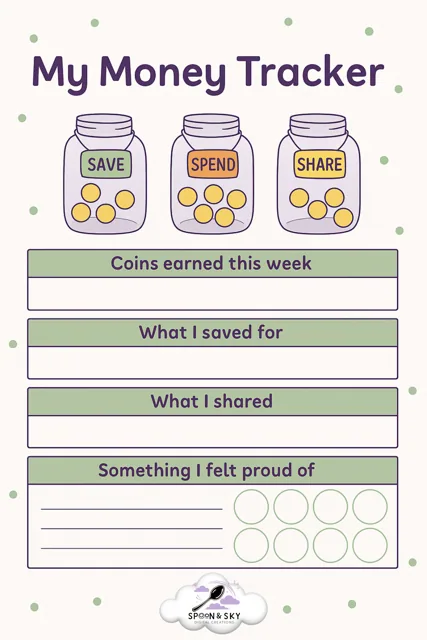
Free to try

From the shop
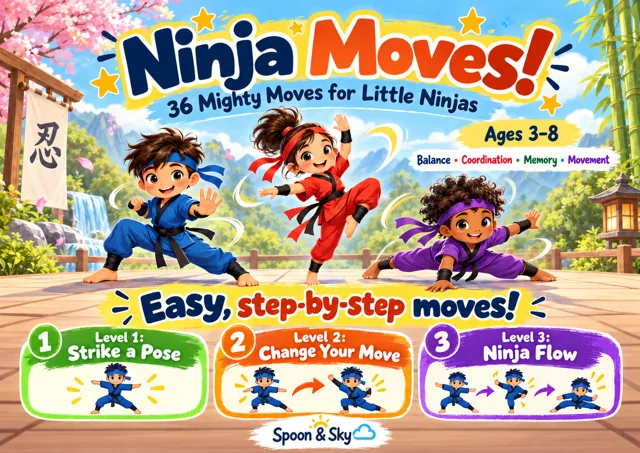
MOVE series: Ninja Moves and Step and Stomp Guide
Ages 3-8
Coming early 2027
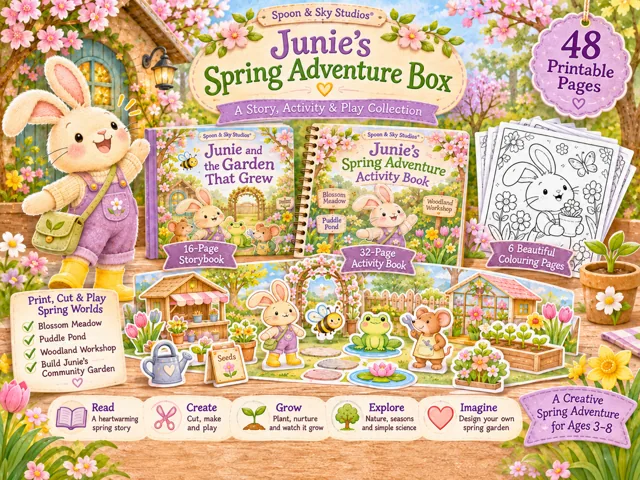
Spring Adventure Pack
Ages 3-8
£9.99
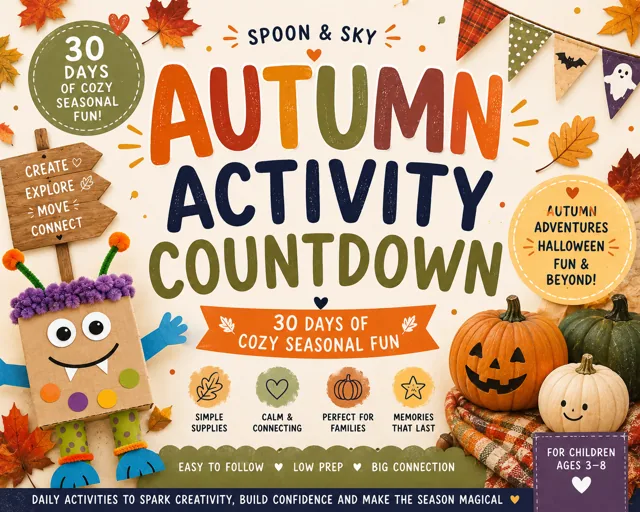
Autumn Activity Countdown for Kids
Ages 3-8
£9.99
Read more
- Picky Eaters at Christmas: A Low-Stress Guide for Parents
- Bedtime Battles: How Much Sleep Do Kids Aged 3–8 Need?
- 25 Indoor Movement Games for Kids on Rainy Days
When to ask for advice
- If your child seems to lose skills they once had
- If you're worried about their speech, learning, movement, friendships or feelings
- If something just doesn't feel right: you know your child best
Talk to your GP, the school nurse or your child's teacher. Asking early is always fine.
- If you're worried about your child's eating, weight or growth
- If they eat only a very small range of foods, or meals are often very distressing
Talk to your health visitor, school nurse or GP.
- If your child seems to lose skills they once had
- If you're worried about their speech, learning, movement, friendships or feelings
- If something just doesn't feel right: you know your child best
Talk to your GP, the school nurse or your child's teacher. Asking early is always fine.
Cognitive Thinking
What's typical
At school, many are learning to read with phonics and growing in confidence with numbers. Every child learns at their own pace. At this stage, children begin to approach challenges with more purposeful thinking. They develop a clearer understanding of cause and effect, strengthen their memory and begin to grasp concepts such as time, quantity and sequence. They become more confident at explaining their ideas, following instructions and completing familiar tasks with increasing independence, while still benefiting greatly from hands-on learning.
Activities to try
- Build a den and plan an adventure from it
- Play shop with real coins
Tips
- Big after-school feelings are normal: food and connection first, questions later
- After a day of sitting at school, active play helps them reset
From the shop
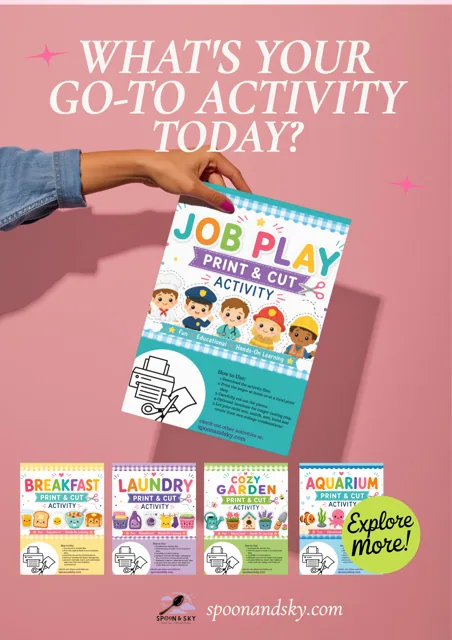
Ultimate Printable Play Bundle
Ages 3-8
£9.99 £7.99
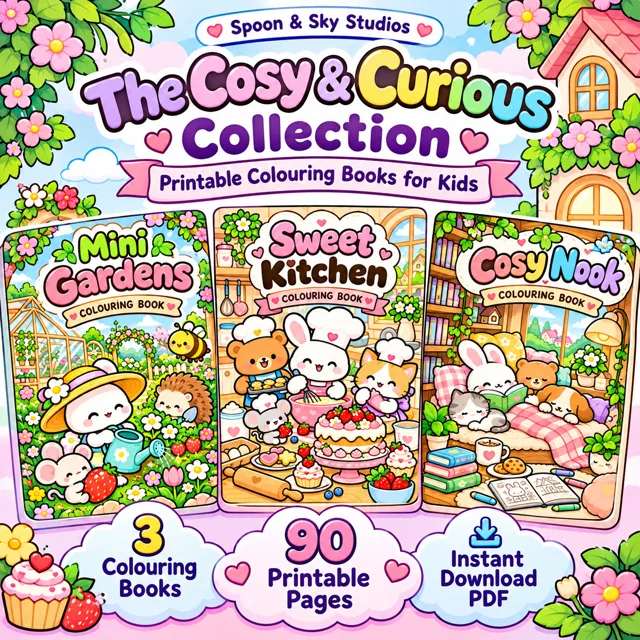
The Cosy & Curious Collection — 90 Printable Kawaii Colouring Pages
Ages 3-8
£9.99 £7.99
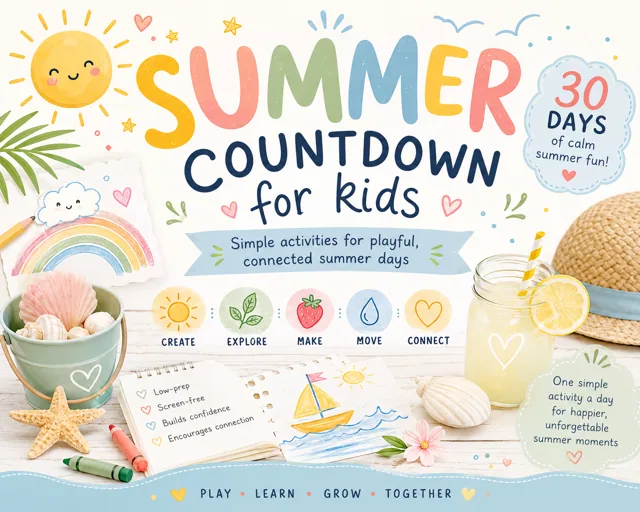
Summer Activity Countdown for Kids
Ages 3-8
£9.99
Read more
- 25 Easy After-School Snacks for Hungry Kids (That Won’t Ruin Dinner)
- The Calm Back-to-School Reset: 12 Small Changes for Easier School Mornings
- 10 Wonderful Summer Books for Kids Ages 3–8 | The Ultimate Throwback Reading List
When to ask for advice
- If your child seems to lose skills they once had
- If you're worried about their speech, learning, movement, friendships or feelings
- If something just doesn't feel right: you know your child best
Talk to your GP, the school nurse or your child's teacher. Asking early is always fine.
- If you're worried about your child's eating, weight or growth
- If they eat only a very small range of foods, or meals are often very distressing
Talk to your health visitor, school nurse or GP.
- If your child seems to lose skills they once had
- If you're worried about their speech, learning, movement, friendships or feelings
- If something just doesn't feel right: you know your child best
Talk to your GP, the school nurse or your child's teacher. Asking early is always fine.
Emotional & Social Connection
What's typical
Most children this age are in Year 1, with a longer, more structured school day. That can be tiring, so predictable routines at home and plenty of sleep really help.
Activities to try
- A visual morning checklist they can tick off themselves
- A 'home from school' routine: snack, cuddle, play, then reading
- Lay out clothes together the night before
Tips
- Give them small real jobs: they love being trusted
- Read together every day, even for five minutes
From the shop
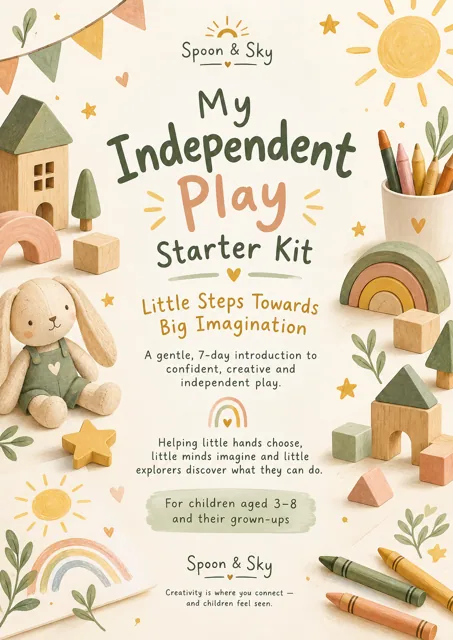
Independent Play Pack
Ages 3-8
Coming early 2027
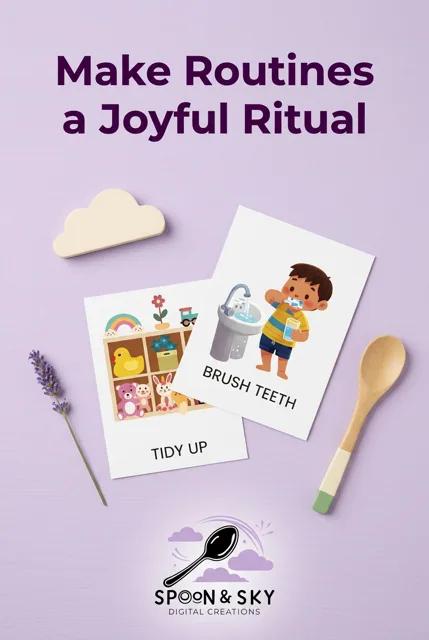
Visual Routine Cards Collection
Ages 3-8
£1.99
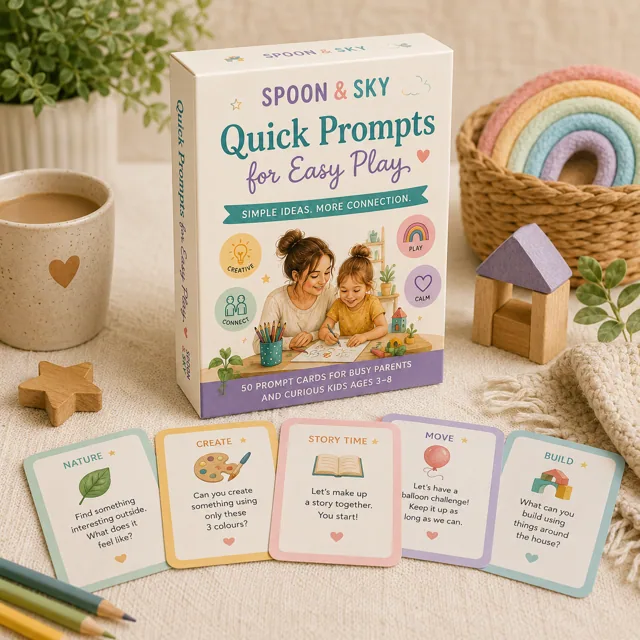
Quick Prompts for Play Cards
Ages 3-8
£3.99
Read more
- Surviving Christmas Gatherings with Kids: A Parent's Guide
- Tantrums & Big Feelings: What to Say and Do (Ages 3–8)
- The Calm Back-to-School Reset: 12 Small Changes for Easier School Mornings
When to ask for advice
- If your child seems to lose skills they once had
- If you're worried about their speech, learning, movement, friendships or feelings
- If something just doesn't feel right: you know your child best
Talk to your GP, the school nurse or your child's teacher. Asking early is always fine.
Language & Expression
What's typical
Lots of children this age love making up stories, building whole worlds and creating with whatever they find. Drawings get more detailed and often tell a story.
Activities to try
- A 'rainbow plate' challenge: how many colours today?
- A 'make box' of recycling, tape and glue
- Story stones: draw simple pictures on pebbles and tell a story with them
- Spot letters and sounds on signs when you're out
Tips
- Leave some time unplanned: boredom often comes just before creativity
- Put their work on display: it tells them it matters
From the shop

Summer Colouring Book Bundle
Ages 3-8
£3.99
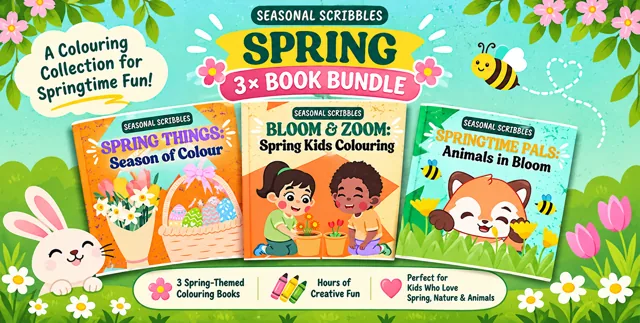
Spring Colouring Book Bundle
Ages 3-8
£3.99
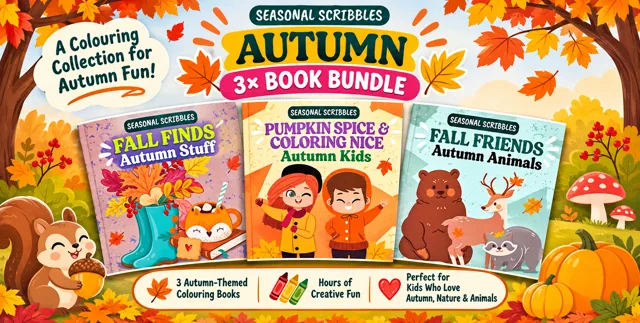
Autumn Colouring Book Bundle
Ages 3-8
£3.99
Read more
- 15 Easy DIY Halloween Costumes for Kids (Cheap + Last-Minute Ideas)
- 10 Wonderful Summer Books for Kids Ages 3–8 | The Ultimate Throwback Reading List
- What we Love to Read Classic Best Spring/Summer Picture Books for Kids
When to ask for advice
- If your child seems to lose skills they once had
- If you're worried about their speech, learning, movement, friendships or feelings
- If something just doesn't feel right: you know your child best
Talk to your GP, the school nurse or your child's teacher. Asking early is always fine.
- If you're worried about your child's eating, weight or growth
- If they eat only a very small range of foods, or meals are often very distressing
Talk to your health visitor, school nurse or GP.
- If your child seems to lose skills they once had
- If you're worried about their speech, learning, movement, friendships or feelings
- If something just doesn't feel right: you know your child best
Talk to your GP, the school nurse or your child's teacher. Asking early is always fine.
At nursery and school
Year 1 (Key Stage 1)
Year 1 is the start of the national curriculum. Many children are building reading with phonics, and in England there's a short phonics check in Year 1. Every child learns at their own pace.
Where this comes from
- NHS: The Eatwell Guide
- NHS: Sugar in our diet
- Development Matters (Department for Education)
- NHS: Physical activity guidelines for children and young people
- UK Chief Medical Officers' physical activity guidelines
- National curriculum in England
General information to support family life, not medical advice. Every child grows at their own pace. If you're worried about your child, talk to your health visitor, GP or school nurse.